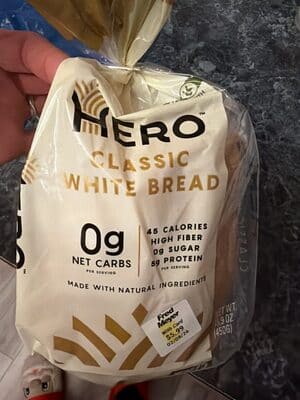
Sliced breads
Hero Classic White Bread
450 g
Score
- Ultra-processed
- High in salt
- Contains non-nutritive sweeteners
- Seed-oil free
Why it scores 68
Hero Classic White Bread scores 68 out of 100 (Good) under GoodSwap’s published rules. What moved the score most:
- minus 18 points Ultra-processed (NOVA 4): Classified NOVA 4: made with industrial ingredients and additives. Strong
- minus 5 points Salt 1.7 g / 100 g: High in salt. Strong
- minus 4.5 points 4 kinds of ultra-processing markers: Industrial additive classes found: emulsifier, industrial protein, non-nutritive sweetener and thickener, stabilizer or gelling agent. Emerging
Every line of the math is on The Receipt below, with its evidence tier and sources.
Better sliced bread
-
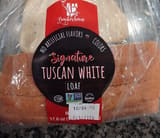 Signature Tuscan White Loaf Backerhaus Not ultra-processed · Less salt Score 98 out of 100 , 30 points higher
 -
 White Thinned Sourdough Loaf Asda · 500 g Not ultra-processed · Less salt Score 95 out of 100 , 27 points higher
 -
 Multiseed Bread Kroger Carbmaster · 20 oz Not ultra-processed · Less salt Score 100 out of 100 , 32 points higher
 -
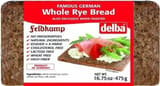 Famous German Whole Rye Bread Delba · 16.75 oz Not ultra-processed · Less salt Score 100 out of 100 , 32 points higher
 -
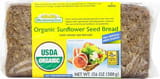 Sunflower Seed Rye Bread Mestemacher Not ultra-processed · Less salt Score 100 out of 100 , 32 points higher
The same kind of product, at least 10 points higher, sold in the US. Never paid placements.
The Receipt
Hero Classic White Bread
Ingredients
- Wheat gluten minus 2.5 points
- Fava bean protein minus 2.5 points
- Guar gum minus 2.5 points
- Monk fruit extract minus 1.5 points
- Sunflower lecithin minus 1.5 points
Processing
- Ultra-processed (NOVA 4) minus 18 points
- 4 kinds of ultra-processing markers minus 4.5 points
Nutrition per 100 g
- Salt 1.7 g / 100 g minus 5 points
- Fiber 42.3 g / 100 g plus 4 points
- Protein 19.2 g / 100 g plus 2 points
100 − 32 = 68
Can’t score above 79. High in salt (above the front-of-pack "high" level). [5]
Nutrition per 100 g
| Energy | 150 kcal |
|---|---|
| Fat | 7.7 g |
| Saturated fat | 0 g |
| Trans fat | 0 g |
| Carbohydrates | 42.3 g |
| Sugars | 0 g |
| Added sugars | 0 g |
| Fiber | 42.3 g |
| Protein | 19.2 g |
| Salt | 1.7 g |
Serving: 26g
Ingredients
- Water
- Resistant Wheat Starch
- Wheat Protein
- Olive Oil
- Yeast
- Milled Flaxseed
- Vinegar
- Salt
- Fava Bean Protein
- Guar Gum
- Cultured Wheat Flour
- Wheat Flour
- Enzymes
- Monk Fruit Extract
- Ascorbic Acid
- Sunflower Lecithin
Label text, as published
Water, Resistant Wheat Starch, Wheat Protein, Olive Oil, Yeast, Milled Flaxseed, Contains less than 2% of Vinegar, Salt, Fava Bean Protein, Guar Gum, Cultured Wheat Flour, Wheat Flour, Enzymes, Monk Fruit Extract, Ascorbic Acid, Sunflower Lecithin
Allergens and diets
Contains: Wheat, Gluten
- Vegan
- Vegetarian
- Not gluten-free
- Palm-oil-free
Always check the package: recipes change.
More sliced breads on GoodSwap
-
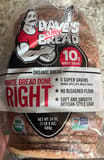 Organic Bread Dave's Killer Bread · 24 oz Ultra-processedContains added sugarsContains seed oilsCertified organic Score 59 out of 100 Okay
 -
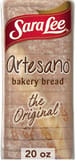 Artesano bakery bread Sara Lee · 567 g Ultra-processedContains added sugarsContains seed oils Score 47 out of 100 Okay
 -
 Thin-Sliced Organic Bread Dave's Killer Bread · 20.5 oz Ultra-processedContains added sugarsContains seed oilsCertified organic Score 57 out of 100 Okay
 -
 Artisanal Style Bread L'oven Fresh · 20 oz Ultra-processedContains added sugarsContains emulsifiers studied for gut effectsContains seed oils Score 44 out of 100 Okay
 -
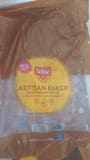 Artisan Baker Multigrain Bread Schär · 14.1 oz/400 g Ultra-processedContains added sugarsContains seed oilsContains whole grains Score 26 out of 100 Poor
 -
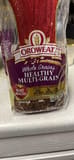 Whole Grains Healthy Multi-Grain Bread Oroweat Ultra-processedContains non-nutritive sweetenersContains added sugarsContains emulsifiers studied for gut effects Score 45 out of 100 Okay
More from Hero
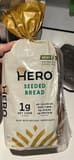
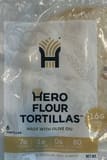
Sources
-
WHO advises not to use non-sugar sweeteners for weight control in newly released guideline
“The recommendation is based on the findings of a systematic review of the available evidence which suggests that use of NSS does not confer any long-term benefit in reducing body fat in adults or children.”
who.int
-
Dietary Guidelines for Americans, 2025–2030
“Limit foods and beverages that include artificial flavors, petroleum-based dyes, artificial preservatives, and low-calorie non-nutritive sweeteners.”
cdn.realfood.gov
-
“For adults, WHO recommends less than 2000 mg/day of sodium (equivalent to less than 5 g/day salt), or just under a teaspoon.”
who.int
-
“Table 3: Criteria for drinks (per 100ml)”
assets.publishing.service.gov.uk
-
“Greater exposure to ultra-processed food was associated with a higher risk of adverse health outcomes, especially cardiometabolic, common mental disorder, and mortality outcomes.”
doi.org