Protein bars
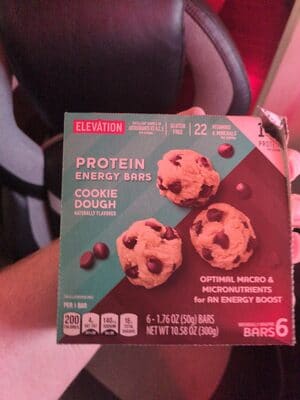
Elevation Protein Energy Bars Cookie Dough
Score
- Contains added sugars
- Contains seed oils
- Contains palm oil
Why it scores 56
Elevation Protein Energy Bars Cookie Dough scores 56 out of 100 (Okay) under GoodSwap’s published rules. What moved the score most:
- minus 12 points Invert sugar: An added sugar. Strong
- minus 12 points Sugar: An added sugar. Strong
- minus 12 points Corn syrup solids: An added sugar. Strong
Every line of the math is on The Receipt below, with its evidence tier and sources.
The Receipt
Protein Energy Bars Cookie Dough
Ingredients
- Invert sugar minus 12 points
- Sugar minus 12 points
- Corn syrup solids minus 12 points
- Chocolate (sweetened, ingredient) minus 2.5 points
- Protein blend (unspecified) minus 0.5 points
- Soy protein isolate / concentrate minus 0.5 points
- Milk protein concentrate / isolate minus 0.5 points
- Whey protein concentrate / isolate minus 0.5 points
- Palm kernel oil minus 0.5 points
- Soy lecithin minus 0.5 points
- Natural flavors minus 0.5 points
- Soybean oil minus 0.5 points
- Glycerin minus 0.5 points
- Sunflower oil minus 0.5 points
- Maltodextrin minus 0.5 points
100 − 44 = 56
Nutrition per 100 g
| Energy | 400 kcal |
|---|---|
| Fat | 14 g |
| Saturated fat | 8 g |
| Trans fat | 0 g |
| Carbohydrates | 42 g |
| Sugars | 32 g |
| Added sugars | 30 g |
| Fiber | 0 g |
| Protein | 30 g |
| Salt | 0.7 g |
Serving: 1 bar (50 g)
Ingredients
- protein blend (soy protein isolate, milk protein isolate, whey protein concentrate, whey protein isolate)
- invert syrup (high concern)
- chocolate flavored coating (sugar, palm kernel oil, cocoa powder, powdered whey protein concentrate, whey powder, soy lecithin, natural flavor) (moderate concern)
- corn syrup solids (high concern)
- soy oil
- glycerin
- gluten free cookie pieces (sugar [from cane], rice flour, cocoa [processed with alkali], sunflower oil, salt)
- water
- natural flavors
- soy lecithin
- potassium chloride
- vitamin mineral blend: tricalcium phosphate
- ascorbic acid
- maltodextrin
- vitamin e
- ferric orthophosphate
- vitamin a acetate
- niacinamide
- vitamin d3
- zinc oxide
- manganese sulfate
- calcium panthothenate
- copper gluconate
- sodium selenite
- sodium molybdate
- biotin
- vitamin k1
- vitamin b12
- chromium chloride
- pyridoxine hydrochloride
- riboflavin
- thiamine mononitrate
- folic acid
- potassium iodide
Label text, as published
protein blend (soy protein isolate, milk protein isolate, whey protein concentrate, whey protein isolate), invert syrup, chocolate flavored coating (sugar, palm kernel oil, cocoa powder, powdered whey protein concentrate, whey powder, soy lecithin, natural flavor), corn syrup solids, soy oil, glycerin, gluten free cookie pieces (sugar [from cane], rice flour, cocoa [processed with alkali], sunflower oil, salt), water, natural flavors, soy lecithin, potassium chloride, vitamin mineral blend: tricalcium phosphate, ascorbic acid, maltodextrin, vitamin e, ferric orthophosphate, vitamin a acetate, niacinamide, vitamin d3, zinc oxide, manganese sulfate, calcium panthothenate, copper gluconate, sodium selenite, sodium molybdate, biotin, vitamin k1, vitamin b12, chromium chloride, pyridoxine hydrochloride, riboflavin, thiamine mononitrate, folic acid, potassium iodide, contains: soy, milk, may contain peanuts, egg, tree nuts, contains bioengineered food ingredients,
Allergens and diets
Contains: Milk, Soy, Wheat
May contain: Peanuts, Tree nuts, Egg
- Not vegan
- Not gluten-free
- Not palm-oil-free
Always check the package: recipes change.
More protein bars on GoodSwap
-
 Blueberry RXBAR RXBAR · 52 g Ultra-processedHigh in sugarNo additives Score 64 out of 100 Good
 -
 Iq Bar 18 Protein Bar Variety Pack IQ Bar · 816 g Seed-oil free Score 97 out of 100 Excellent
 -
 Protein Bars RXBAR Score 99 out of 100 Excellent
 -
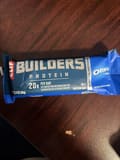 Biulders Bar Oreo Cliff · 2.4 oz Contains added sugarsContains seed oilsContains palm oil Score 60 out of 100 Good
 -
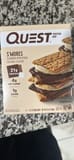 S'MORES Protein Bar Quest · 8.5 oz/240 g Ultra-processedContains non-nutritive sweetenersContains sugar alcoholsContains seed oils Score 45 out of 100 Okay
 -
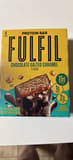 Protein Bar Fulfil · 4 × 40 g Contains non-nutritive sweetenersContains sugar alcoholsContains palm oilSeed-oil free Score 88 out of 100 Excellent
More from Elevation
-
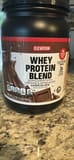 Whey Protein Blend Elevation · 32 oz Score 87 out of 100 Excellent
 -
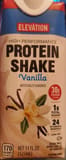 High Performance Protein Shake Vanilla Elevation · 11 fl oz (325 mL) Score 79 out of 100 Good
 -
 High Protein Bar Chocolate Peanut Butter Elevation · 68 g Score 17 out of 100 Bad
 -
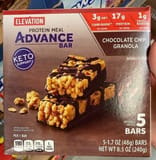 Chocolate Chip Granola Elevation Protein Meal Advance Bar Elevation Score 84 out of 100 Excellent
Sources
-
Guideline: sugars intake for adults and children
“In both adults and children, WHO recommends reducing the intake of free sugars to less than 10% of total energy intake”
who.int
-
Dietary Guidelines for Americans, 2025–2030
“Limit foods and beverages that include artificial flavors, petroleum-based dyes, artificial preservatives, and low-calorie non-nutritive sweeteners.”
cdn.realfood.gov
-
Added and free sugars should be as low as possible
“Sugar consumption is a known cause of dental caries.”
efsa.europa.eu
-
Saturated fatty acid and trans-fatty acid intake for adults and children: WHO guideline
“WHO recommends that adults and children reduce saturated fatty acid intake to 10% of total energy intake (strong recommendation).”
who.int
-
Process contaminants in vegetable oils and foods
“The highest levels of GE, as well as 3-MCPD and 2-MCPD (including esters) were found in palm oils and palm fats, followed by other oils and fats.”
efsa.europa.eu
-
“Glycidyl fatty acid esters, expressed as glycidol”
eur-lex.europa.eu
-
21 CFR 101.22 Foods; labeling of spices, flavorings, colorings and chemical preservatives
“whose significant function in food is flavoring rather than nutritional.”
ecfr.gov
-
“replacement of saturated fat in the diet with linoleic acid effectively lowers serum cholesterol but does not support the hypothesis that this translates to a lower risk of death from coronary heart disease or all causes.”
doi.org
-
“These data provide support for current recommendations to replace saturated fat with polyunsaturated fat for primary prevention of CHD.”
doi.org