Meat analogues
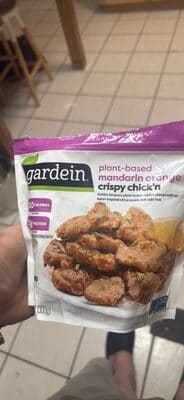
Gardein Plant-Based Mandarin Orange Crispy Chick'n
10.5 oz/300 g
Score
- Not permitted in some countries
- Ultra-processed
- Contains added sugars
- Contains seed oils
- No synthetic dyes
Why it scores 13
Gardein Plant-Based Mandarin Orange Crispy Chick'n scores 13 out of 100 (Bad) under GoodSwap’s published rules. What moved the score most:
- minus 20 points Sugar: An added sugar. Strong
- minus 20 points Titanium dioxide: EFSA (2021) could not rule out genotoxicity and could not set a safe daily intake, so the EU removed E171 from the list of permitted food additives in 2022. Regulatory
- minus 18 points Ultra-processed (NOVA 4): Classified NOVA 4: made with industrial ingredients and additives. Strong
Every line of the math is on The Receipt below, with its evidence tier and sources.
Better burgers and patties
-
 Plant-Based Seared Tips Beyond Steak · 10 oz No banned ingredients · No added sugars Score 65 out of 100 , 52 points higher
 -
 Plant-Based Patties Beyond Burger · 2 × 113 g No banned ingredients · No added sugars Score 59 out of 100 , 46 points higher
 -
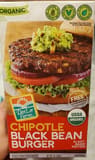 Plant-based chipotle black bean burger Don Lee Farms No banned ingredients · Not ultra-processed Score 75 out of 100 , 62 points higher
 -
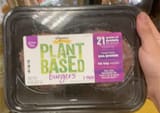 Plant-based burgers Wegmans · 8 oz/227 g No banned ingredients · Not ultra-processed Score 61 out of 100 , 48 points higher
 -
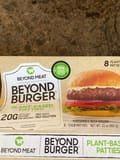 Beyond Burger Plant Based Patties Beyond Meat · 32 oz No banned ingredients · No added sugars Score 59 out of 100 , 46 points higher
The same kind of product, at least 10 points higher, sold in the US. Never paid placements.
The Receipt
Plant-Based Mandarin Orange Crispy Chick'n
Ingredients
- Sugar minus 20 points
- Titanium dioxide minus 20 points
- Soy protein isolate / concentrate minus 2.5 points
- Wheat gluten minus 1.5 points
- Canola oil minus 1.5 points
- Modified starch minus 1.5 points
- Methylcellulose minus 0.5 points
- Sunflower oil minus 0.5 points
- Wine minus 0.5 points
- Natural flavors minus 0.5 points
- Yeast extract minus 0.5 points
- Sodium acid pyrophosphate minus 0.5 points
Processing
- Ultra-processed (NOVA 4) minus 18 points
- 6 kinds of ultra-processing markers minus 7.5 points
Nutrition per 100 g
- Sugars 13.6 g / 100 g minus 8 points
- Salt 1.1 g / 100 g minus 3 points
- Energy 186 kcal / 100 g minus 1 points
100 − 87.5 = 12.5 → 13
Can’t score above 25. Contains titanium dioxide, which is banned in food in the EU. [4]
Can’t score above 79. Contains sugar, an ingredient of high concern. [1][2][3][4][5][6][7][8][9][10]
Nutrition per 100 g
| Energy | 186 kcal |
|---|---|
| Fat | 5 g |
| Saturated fat | 0.4 g |
| Trans fat | 0 g |
| Carbohydrates | 25.7 g |
| Sugars | 13.6 g |
| Added sugars | 12.9 g |
| Fiber | 0.7 g |
| Protein | 9.3 g |
| Salt | 1.1 g |
Serving: 1 Container (300 g)
Ingredients
- WATER
- SUGAR (high concern)
- ENRICHED WHEAT FLOUR (WHEAT FLOUR, NIACIN, REDUCED IRON, THIAMINE MONONITRATE, RIBOFLAVIN, FOLIC ACID)
- SOY PROTEIN ISOLATE
- VITAL WHEAT GLUTEN
- CANOLA OIL
- DISTILLED VINEGAR
- SOY SAUCE (WATER, SOYBEANS, WHEAT, SALT)
- RICE FLOUR
- MODIFIED POTATO STARCH
- FRUIT PUREE (WATER, MANDARIN ORANGE JUICE CONCENTRATE, TANGERINE JUICE CONCENTRATE)
- SALT
- METHYLCELLULOSE
- SUNFLOWER OIL
- CORN STARCH
- GARLIC POWDER
- ANCIENT GRAIN FLOUR (KHORASAN WHEAT)
- SALTED SAKE (WATER, RICE, SALT)
- POTATO STARCH
- NATURAL FLAVORS
- SPICES
- YEAST EXTRACT
- TITANIUM DIOXIDE (COLOR) (high concern)
- OIL OF ORANGE
- LEAVENING (SODIUM ACID PYROPHOSPHATE, SODIUM BICARBONATE, MONOCALCIUM PHOSPHATE) (not recognized)
- CRUSHED RED PEPPER
- LACTIC ACID
Label text, as published
WATER, SUGAR, ENRICHED WHEAT FLOUR (WHEAT FLOUR, NIACIN, REDUCED IRON, THIAMINE MONONITRATE, RIBOFLAVIN, FOLIC ACID), SOY PROTEIN ISOLATE, VITAL WHEAT GLUTEN, CANOLA OIL, DISTILLED VINEGAR, 2% OR LESS OF: SOY SAUCE (WATER, SOYBEANS, WHEAT, SALT), RICE FLOUR, MODIFIED POTATO STARCH, FRUIT PUREE (WATER, MANDARIN ORANGE JUICE CONCENTRATE, TANGERINE JUICE CONCENTRATE), SALT, METHYLCELLULOSE, SUNFLOWER OIL, CORN STARCH, GARLIC POWDER, ANCIENT GRAIN FLOUR (KHORASAN WHEAT), SALTED SAKE (WATER, RICE, SALT), POTATO STARCH, NATURAL FLAVORS, SPICES, YEAST EXTRACT, TITANIUM DIOXIDE (COLOR), OIL OF ORANGE, LEAVENING (SODIUM ACID PYROPHOSPHATE, SODIUM BICARBONATE, MONOCALCIUM PHOSPHATE), CRUSHED RED PEPPER, LACTIC ACID.
Allergens and diets
Contains: Soy, Wheat, Gluten
- Vegan
- Vegetarian
- Not gluten-free
- Palm-oil-free
Always check the package: recipes change.
More meat analogues on GoodSwap
-
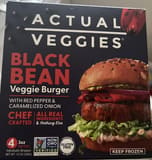 Black Bean Veggie Burger Actual Veggies · 1 unit Ultra-processedNo additivesContains whole grains Score 83 out of 100 Excellent
 -
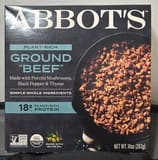 Ground "Beef" Abbot's · 10 oz High in saltNo additivesSeed-oil free Score 79 out of 100 Good
 -
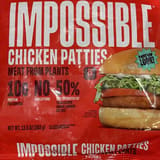 Impossible Chicken Patties Impossible Ultra-processedContains added sugarsContains seed oilsNo synthetic dyes Score 22 out of 100 Poor
 -
 Diced Chiqin Pieces Quorn · 12 oz/340 g Ultra-processed Score 70 out of 100 Good
 -
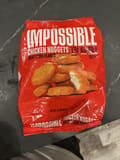 Chicken Nuggets Impossible · 32 oz Ultra-processedContains added sugarsContains seed oilsNo synthetic dyes Score 20 out of 100 Poor
 -
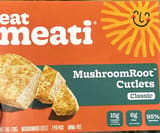 Mycelium Cutlets Classic Animal-Free Meati Ultra-processedContains whole grains Score 81 out of 100 Excellent
More from Gardein

Sources
-
Guideline: sugars intake for adults and children
“In both adults and children, WHO recommends reducing the intake of free sugars to less than 10% of total energy intake”
who.int
-
Dietary Guidelines for Americans, 2025–2030
“Limit foods and beverages that include artificial flavors, petroleum-based dyes, artificial preservatives, and low-calorie non-nutritive sweeteners.”
cdn.realfood.gov
-
Added and free sugars should be as low as possible
“Sugar consumption is a known cause of dental caries.”
efsa.europa.eu
-
“titanium dioxide (E 171) can no longer be considered safe when used as a food additive.”
eur-lex.europa.eu
-
Titanium dioxide: E171 no longer considered safe when used as a food additive
“the Panel concluded that titanium dioxide can no longer be considered safe as a food additive.”
efsa.europa.eu
-
“Considering the very low oral absorption of INS 171, and in the absence of any identifiable hazard associated with INS 171 in the diet, the Committee reaffirmed the ADI “not specified” established at the Thirteenth meeting.”
who.int
-
Titanium dioxide (TiO2) as a food additive: Current science report
“In summary, the Food Directorate's position is that there is no conclusive scientific evidence that the food additive TiO2 is a concern for human health.”
canada.ca
-
Statement on the safety of Titanium Dioxide (E171) as a Food Additive (COT/2024/05)
“The Committee concludes that it is unlikely that there would be a risk to health from exposures of E171 TiO2 from the diet in any of the age groups or scenarios assessed.”
cot.food.gov.uk
-
Titanium Dioxide as a Color Additive in Foods
“Other international regulatory bodies including the United Kingdom’s Food Standards Agency (FSA), Health Canada, and Food Standards Australia New Zealand (FSANZ) have not agreed with EFSA’s assessment.”
fda.gov
-
Agents Classified by the IARC Monographs, Volumes 1–142 (List of Classifications)
monographs.iarc.who.int
-
“replacement of saturated fat in the diet with linoleic acid effectively lowers serum cholesterol but does not support the hypothesis that this translates to a lower risk of death from coronary heart disease or all causes.”
doi.org
-
“These data provide support for current recommendations to replace saturated fat with polyunsaturated fat for primary prevention of CHD.”
doi.org
-
About Alcohol Use During Pregnancy
“There is no known safe amount of alcohol use during pregnancy.”
cdc.gov
-
21 CFR 101.22 Foods; labeling of spices, flavorings, colorings and chemical preservatives
“whose significant function in food is flavoring rather than nutritional.”
ecfr.gov
-
EFSA issues new advice on phosphates
“We estimated that dietary exposure to phosphates may exceed the new ADI for infants, toddlers and children with average consumption of phosphates in their diet.”
efsa.europa.eu
-
“For adults, WHO recommends less than 2000 mg/day of sodium (equivalent to less than 5 g/day salt), or just under a teaspoon.”
who.int
-
Revocation of Authorization for Use of Brominated Vegetable Oil in Food (89 FR 55040)
“This action is being taken because there is no longer a reasonable certainty of no harm from the continued use of BVO in food.”
federalregister.gov
-
“This order is effective January 15, 2027, except for amendatory instruction 4, which is effective January 18, 2028.”
federalregister.gov
-
Regulation (EC) No 1223/2009 of 30 November 2009 on cosmetic products
“cosmetic products shall not contain any of the following: (a) prohibited substances — prohibited substances listed in Annex II”
eur-lex.europa.eu
-
“Greater exposure to ultra-processed food was associated with a higher risk of adverse health outcomes, especially cardiometabolic, common mental disorder, and mortality outcomes.”
doi.org