Food ingredient · Oil
Sunflower oil
Oil from sunflower seeds. High-oleic versions are lower in omega-6.
- Added oil or fat
- Seed oil
- Expert review pending
Concern level
A minor or very limited concern, such as being an ultra-processing marker only. The concern level sets how many points sunflower oil costs on a product’s receipt.
What the evidence says
-
Omega-6 fats (mixed evidence)Emerging evidence
High in omega-6 linoleic acid. Re-analyses of two old trials questioned whether replacing saturated fat with linoleic acid lowers heart deaths; cohort meta-analyses and the American Heart Association support it. [1][2][3][4]
-
Seed oil (personal preference)Preference
Many people choose to avoid industrially refined seed oils; use the Real Food lens for this standard.
Evidence tiers say how sure the evidence is, separately from how much it matters. About evidence tiers.
Popular products that list sunflower oil
2,542 of the 17,000 most-scanned products in the US with a GoodSwap page list sunflower oil. The 12 most scanned:
-
 Oats 'N Honey Granola Bars Nature Valley · 1.49 oz (42 g) Score 14 out of 100 Bad
 -
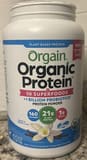 Organic Protein Orgain · 43.2 oz (2.7 lb) 1.22 kg Score 89 out of 100 Excellent
 -
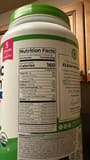 Organic Protein Orgain · 1.2 kg Score 89 out of 100 Excellent
 -
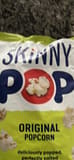 Original Popcorn Skinny Pop · 4.4 oz Score 79 out of 100 Good
 -
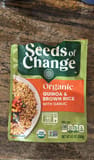 Organic Quinoa & Brown Rice with Garlic Seeds of Change · 2 Score 95 out of 100 Excellent
 -
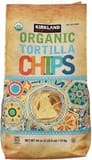 Organic Tortilla Chips Kirkland Signature · 40 oz Score 76 out of 100 Good
 -
 GARDEN SALSA FLAVORED Sun Chips Sun Chips Score 18 out of 100 Bad
 -
 Harvest Cheddar Sun Chips · 7 oz (198.4 g) Score 20 out of 100 Poor
 -
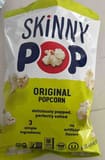 Original Popcorn Skinny Pop · 18 g Score 79 out of 100 Good
 -
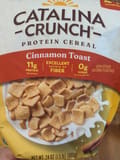 Catalina Crunch Cinnamon Toast Protein Cereal Catalina Crunch · 24 oz Score 61 out of 100 Good
 -
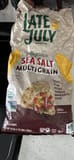 Organic Sea Salt Multigrain Late July Snacks · 1 Score 64 out of 100 Good
 -
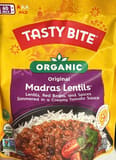 Madras Lentils Tasty Bite · 285 g Score 92 out of 100 Excellent
Diets and allergens
- Vegan
- Yes
- Vegetarian
- Yes
- Gluten-free
- Yes
For the ingredient in general. Always check the package: a product’s own labels win.
Names GoodSwap recognizes on labels (23)
- sunflower
- sunflower oil
- sonnenblumenol
- aceite de girasol
- huile de tournesol
- sunflower seed oil
- high oleic sunflower
- organic sunflower oil
- refined sunflower oil
- mid oleic sunflower oil
- sunflower oil vegetable
- vegetable oil sunflower
- high oleic sunflower oil
- sunflower oil high oleic
- cold pressed sunflower oil
- organic sunflower seed oil
- sunflower and or canola oil
- expeller pressed sunflower oil
- sunflower oil and or canola oil
- organic high oleic sunflower oil
- sunflower oil and or safflower oil
- sunflower oil with rosemary extract
- high oleic sunflower oil expeller pressed
Sources
-
“replacement of saturated fat in the diet with linoleic acid effectively lowers serum cholesterol but does not support the hypothesis that this translates to a lower risk of death from coronary heart disease or all causes.”
doi.org
-
“These data provide support for current recommendations to replace saturated fat with polyunsaturated fat for primary prevention of CHD.”
doi.org