Meals with chicken
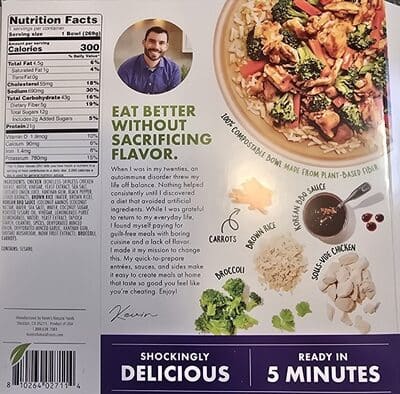
Kevin's Natural Foods Korean BBQ-Style Chicken
9.5 oz
Score
- Ultra-processed
- Contains non-nutritive sweeteners
- Contains added sugars
- Seed-oil free
- Contains whole grains
Why it scores 48
Kevin's Natural Foods Korean BBQ-Style Chicken scores 48 out of 100 (Okay) under GoodSwap’s published rules. What moved the score most:
- minus 20 points Coconut sugar: An added sugar. Strong
- minus 18 points Ultra-processed (NOVA 4): Classified NOVA 4: made with industrial ingredients and additives. Strong
- minus 3 points 3 kinds of ultra-processing markers: Industrial additive classes found: flavor enhancer, non-nutritive sweetener and thickener, stabilizer or gelling agent. Emerging
Every line of the math is on The Receipt below, with its evidence tier and sources.
Better frozen meals
-
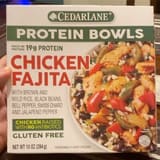 Chicken Fajita Protein Bowl Cedarlane Not ultra-processed · No non-nutritive sweeteners Score 97 out of 100 , 49 points higher
 -
 Tuscan-Inspired Chicken Hungryroot · 340 g Not ultra-processed · No non-nutritive sweeteners Score 94 out of 100 , 46 points higher
 -
 Chicken fried rice Hart · 22 oz Not ultra-processed · No non-nutritive sweeteners Score 89 out of 100 , 41 points higher
 -
 Southwestern Style Chicken Quinoa Bowl Whole & Simple · 298 g Not ultra-processed · No non-nutritive sweeteners Score 86 out of 100 , 38 points higher
 -
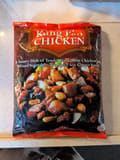 Kung Pao Chicken Trader Ming's · 23 oz (1 lb 7 oz) 652 g Not ultra-processed · No non-nutritive sweeteners Score 95 out of 100 , 47 points higher
The same kind of product, at least 10 points higher, sold in the US. Never paid placements.
The Receipt
Korean BBQ-Style Chicken
Ingredients
- Coconut sugar minus 20 points
- Yeast extract minus 2.5 points
- Vegetable gums (unspecified) minus 2.5 points
- Xanthan gum minus 1.5 points
- Monk fruit extract minus 1.5 points
Processing
- Ultra-processed (NOVA 4) minus 18 points
- 3 kinds of ultra-processing markers minus 3 points
Nutrition per 100 g
- Salt 0.6 g / 100 g minus 3 points
100 − 52 = 48
Can’t score above 79. Contains coconut sugar, an ingredient of high concern. [1][2][3]
Nutrition per 100 g
| Energy | 112 kcal |
|---|---|
| Fat | 1.7 g |
| Saturated fat | 0.4 g |
| Carbohydrates | 13.4 g |
| Sugars | 3.3 g |
| Added sugars | 0.7 g |
| Fiber | 1.9 g |
| Protein | 7.8 g |
| Salt | 0.6 g |
Serving: 1 bowl (269 g)
Ingredients
- CHICKEN BONELESS SKINLESS CHICKEN BREAST
- WATER
- VINEGAR
- YEAST EXTRACT
- SEA SALT
- CULTURED ONION JUICE
- GUM
- BLACK PEPPER
- CITRUS EXTRACT
- BROWN RICE
- COCONUT NECTAR (high concern)
- COCONUT SUGAR (high concern)
- ROASTED SESAME OIL
- LEMONGRASS PUREE
- TAPIOCA STARCH
- CILANTRO
- SPICES
- DEHYDRATED MINCED ONION
- DEHYDRATED MINCED GARLIC
- XANTHAN GUM
- SHIITAKE MUSHROOM
- MONK FRUIT EXTRACT
- BROCCOLI
- CARROTS
- SESAME
Label text, as published
CHICKEN BONELESS SKINLESS CHICKEN BREAST, WATER, VINEGAR, YEAST EXTRACT, SEA SALT, CULTURED ONION JUICE, GUM, BLACK PEPPER, CITRUS EXTRACT, BROWN RICE, COCONUT NECTAR, COCONUT SUGAR, ROASTED SESAME OIL, LEMONGRASS PUREE, TAPIOCA STARCH, CILANTRO, SPICES, DEHYDRATED MINCED ONION, DEHYDRATED MINCED GARLIC, XANTHAN GUM, SHIITAKE MUSHROOM, MONK FRUIT EXTRACT, BROCCOLI, CARROTS, SESAME.
Allergens and diets
Contains: Sesame
- Not vegan
- Not vegetarian
- Palm-oil-free
Always check the package: recipes change.
More meals with chicken on GoodSwap
-
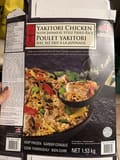 Yakitori Chicken with Japanese-Style Fried Rice Ajinomoto · 1.53 kg, 54 oz Ultra-processedContains added sugarsContains seed oils Score 40 out of 100 Okay
 -
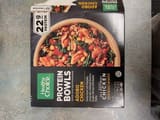 ADoBO CHICKEN Healthy Choice · 9.75 oz/276 g Ultra-processedContains added sugarsNo additivesSeed-oil free Score 44 out of 100 Okay
 -
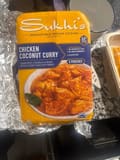 Chicken Coconut Curry Sukhi's · 36 oz Ultra-processedContains added sugarsContains seed oils Score 55 out of 100 Okay
 -
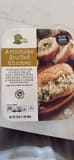 Artichoke Stuffed Chicken Park Street Deli · 16 oz Ultra-processedContains added sugarsContains seed oils Score 51 out of 100 Okay
 -
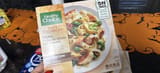 Chicken Fettuccini Alfredo with Broccoli Healthy Choice · 10 oz Ultra-processedContains added sugarsContains emulsifiers studied for gut effectsContains seed oils Score 37 out of 100 Poor
 -
 Sweet & Sour Chicken Healthy Choice · 10 oz Ultra-processedContains added sugarsContains seed oils Score 24 out of 100 Poor
More from Kevin's Natural Foods
-
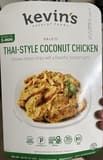 Thai-Style Coconut Chicken Kevin's Natural Foods · 32 oz Score 51 out of 100 Okay
 -
 Cilantro Lime Chicken Kevin's Natural Foods · 16 oz Score 66 out of 100 Good
 -
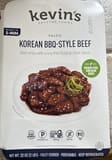 Korean BBQ-Style Beef Kevin's Natural Foods · 32 oz (2 lb) Score 51 out of 100 Okay
 -
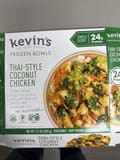 Thai-Style Coconut Chicken Kevin's Natural Foods · 9.5 oz Score 51 out of 100 Okay
Also popular on GoodSwap
Sources
-
Guideline: sugars intake for adults and children
“In both adults and children, WHO recommends reducing the intake of free sugars to less than 10% of total energy intake”
who.int
-
Dietary Guidelines for Americans, 2025–2030
“Limit foods and beverages that include artificial flavors, petroleum-based dyes, artificial preservatives, and low-calorie non-nutritive sweeteners.”
cdn.realfood.gov
-
Added and free sugars should be as low as possible
“Sugar consumption is a known cause of dental caries.”
efsa.europa.eu
-
WHO advises not to use non-sugar sweeteners for weight control in newly released guideline
“The recommendation is based on the findings of a systematic review of the available evidence which suggests that use of NSS does not confer any long-term benefit in reducing body fat in adults or children.”
who.int
-
“For adults, WHO recommends less than 2000 mg/day of sodium (equivalent to less than 5 g/day salt), or just under a teaspoon.”
who.int
-
“Greater exposure to ultra-processed food was associated with a higher risk of adverse health outcomes, especially cardiometabolic, common mental disorder, and mortality outcomes.”
doi.org