Food ingredient · Sweetener (sugar)
Coconut sugar
Sugar made from coconut palm sap.
- Added sugar or syrup
- Expert review pending
Concern level
A regulatory warning or restriction somewhere, or strong evidence of harm at typical intake. The concern level sets how many points coconut sugar costs on a product’s receipt.
What the evidence says
-
Added sugarStrong evidence
An added sugar. WHO strongly recommends keeping free sugars below 10% of energy; US guidelines say no amount of added sugars is recommended for a healthy diet. EFSA calls sugar a known cause of tooth decay and links sugary drinks to obesity and type 2 diabetes. [1][2][3]
Evidence tiers say how sure the evidence is, separately from how much it matters. About evidence tiers.
Popular products that list coconut sugar
203 of the 17,000 most-scanned products in the US with a GoodSwap page list coconut sugar. The 12 most scanned:
-
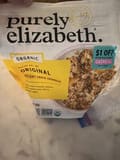 Original Ancient Grain Granola Purely Elizabeth · 12 oz (340 g) Score 51 out of 100 Okay
 -
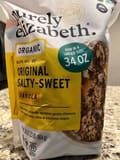 Organic Original Salty-sweet Granola Purely Elizabeth · 34 oz Score 51 out of 100 Okay
 -
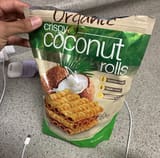 Crispy Coconut Rolls Organic · 312 g Score 27 out of 100 Poor
 -
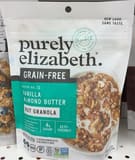 Vanilla Almond Butter Nut Granola Purely Elizabeth · 227 g Score 58 out of 100 Okay
 -
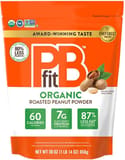 Organic Roasted Peanut Powder PBfit · 30 oz Score 60 out of 100 Good
 -
 Original Ancient Grain Granola Purely Elizabeth · 10 dl Score 51 out of 100 Okay
 -
 Blueberry Hemp Ancient Grain Granola Purely Elizabeth · 12 oz Score 31 out of 100 Poor
 -
 SUNFLOWER CEREAL Real Cocoa Seven Sundays · 16 oz Score 62 out of 100 Good
 -
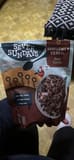 SUNFLOWER CEREAL Real Cocoa Seven Sundays · 8 oz Score 64 out of 100 Good
 -
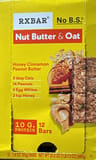 Nut Butter & Oat RXBAR · 1.8 oz Score 23 out of 100 Poor
 -
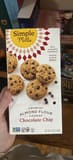 Crunchy Almond Flour Cookies Chocolate Chip Simple Mills · 5.5 oz Score 21 out of 100 Poor
 -
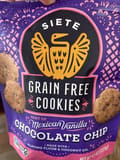 Grain Free Cookies Hint of Mexican Vanilla Chocolate Chip Siete · 128 g Score 21 out of 100 Poor
Diets and allergens
- Vegan
- Yes
- Vegetarian
- Yes
- Gluten-free
- Yes
For the ingredient in general. Always check the package: a product’s own labels win.
Names GoodSwap recognizes on labels (6)
- palm sugar
- coconut sugar
- coconut nectar
- coconut palm sugar
- coconut blossom sugar
- organic coconut sugar
Sources
-
Guideline: sugars intake for adults and children
“In both adults and children, WHO recommends reducing the intake of free sugars to less than 10% of total energy intake”
who.int
-
Dietary Guidelines for Americans, 2025–2030
“Limit foods and beverages that include artificial flavors, petroleum-based dyes, artificial preservatives, and low-calorie non-nutritive sweeteners.”
cdn.realfood.gov
-
Added and free sugars should be as low as possible
“Sugar consumption is a known cause of dental caries.”
efsa.europa.eu