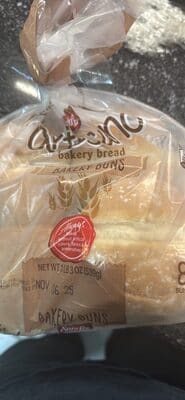
Special breads
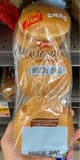
Sara Lee Artesano Bakery Buns
539 g
Score
- Ultra-processed
- Contains added sugars
- Contains seed oils
Why it scores 47
Sara Lee Artesano Bakery Buns scores 47 out of 100 (Okay) under GoodSwap’s published rules. What moved the score most:
- minus 20 points Sugar: An added sugar. Strong
- minus 18 points Ultra-processed (NOVA 4): Classified NOVA 4: made with industrial ingredients and additives. Strong
- minus 5 points Salt 1.2 g / 100 g: High in salt. Strong
Every line of the math is on The Receipt below, with its evidence tier and sources.
Better buns and rolls
-
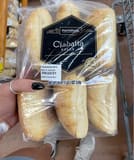 Ciabatta Rolls Marketside · 18 oz (1 lb 2 oz) 510 g Not ultra-processed · No added sugars Score 98 out of 100 , 51 points higher
 -
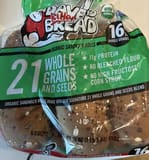 Organic Sandwich Rolls Dave's Killer Bread · 18 oz Not ultra-processed · No added sugars Score 92 out of 100 , 45 points higher
 -
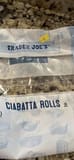 Ciabatta Rolls Trader Joe's · 12 oz (340 g) Not ultra-processed · No added sugars Score 91 out of 100 , 44 points higher
 -
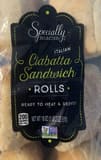 Italian Ciabatta Sandwich Rolls Aldi · 18 oz Not ultra-processed · No added sugars Score 88 out of 100 , 41 points higher
 -
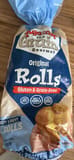 Original Rolls Against the Grain Not ultra-processed · No added sugars Score 88 out of 100 , 41 points higher
The same kind of product, at least 10 points higher, sold in the US. Never paid placements.
The Receipt
Bakery Buns
Ingredients
- Sugar minus 20 points
- Wheat gluten minus 2.5 points
- Soybean oil minus 2.5 points
- Soy lecithin minus 1.5 points
Processing
- Ultra-processed (NOVA 4) minus 18 points
- 2 kinds of ultra-processing markers minus 1.5 points
Nutrition per 100 g
- Sugars 6 g / 100 g minus 3 points
- Salt 1.2 g / 100 g minus 5 points
- Energy 284 kcal / 100 g minus 1 points
- Protein 9 g / 100 g plus 2 points
100 − 53 = 47
Can’t score above 79. Contains sugar, an ingredient of high concern. [1][2][3]
Nutrition per 100 g
| Energy | 284 kcal |
|---|---|
| Fat | 3 g |
| Saturated fat | 0 g |
| Trans fat | 0 g |
| Carbohydrates | 52.2 g |
| Sugars | 6 g |
| Added sugars | 4.5 g |
| Fiber | 1.5 g |
| Protein | 9 g |
| Salt | 1.2 g |
Serving: 1 bun (67 g)
Ingredients
- ENRICHED WHEAT FLOUR (FLOUR, MALTED BARLEY FLOUR, REDUCED IRON, NIACIN, THIAMIN MONONITRATE (VITAMIN B1), RIBOFLAVIN (VITAMIN B2), FOLIC ACID)
- WATER
- SUGAR (high concern)
- WHEAT GLUTEN
- VEGETABLE OIL (SOYBEAN)
- YEAST
- SEA SALT
- CULTURED WHEAT FLOUR
- SOY LECITHIN
- CITRIC ACID
- GRAIN VINEGAR
Label text, as published
ENRICHED WHEAT FLOUR [FLOUR, MALTED BARLEY FLOUR, REDUCED IRON, NIACIN, THIAMIN MONONITRATE (VITAMIN B1), RIBOFLAVIN (VITAMIN B2), FOLIC ACID], WATER, SUGAR, WHEAT GLUTEN, VEGETABLE OIL (SOYBEAN), YEAST, SEA SALT, CONTAINS 0.5% OR LESS OF EACH OF THE FOLLOWING: CULTURED WHEAT FLOUR, SOY LECITHIN, CITRIC ACID, GRAIN VINEGAR.
Allergens and diets
Contains: Soy, Wheat, Gluten
- Vegan
- Vegetarian
- Not gluten-free
- Palm-oil-free
Always check the package: recipes change.
Packaging
Ldpe 4 low density polyethylene
Context only: no points in v1.
More special breads on GoodSwap
-
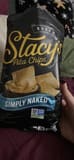 Pita Chips Sea Salt Stacy's · 7 1/3 oz/207.8 g Ultra-processedHigh in saltContains added sugarsContains seed oils Score 34 out of 100 Poor
 -
 Dave's Killer Bread Dave's Killer Bread · 13.2 oz/374 g Ultra-processedContains added sugarsContains seed oilsCertified organic Score 40 out of 100 Okay
 -
 English Muffins Sourdough Thomas' · 57 g Ultra-processedContains added sugarsContains seed oils Score 46 out of 100 Okay
 -
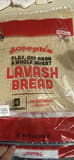 Lavash Bread Joseph's · 9 oz Ultra-processedHigh in saltContains added sugarsContains emulsifiers studied for gut effects Score 41 out of 100 Okay
 -
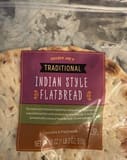 Indian Style Flatbread Trader Joe's · 18 oz Ultra-processedContains added sugarsContains seed oils Score 52 out of 100 Okay
 -
 Sourdough Burger Buns The Kroger Co. · 21 oz Ultra-processedContains added sugarsContains seed oilsContains whole grains Score 30 out of 100 Poor
More from Sara Lee Artesano
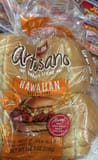
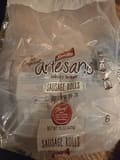

Sources
-
Guideline: sugars intake for adults and children
“In both adults and children, WHO recommends reducing the intake of free sugars to less than 10% of total energy intake”
who.int
-
Dietary Guidelines for Americans, 2025–2030
“Limit foods and beverages that include artificial flavors, petroleum-based dyes, artificial preservatives, and low-calorie non-nutritive sweeteners.”
cdn.realfood.gov
-
Added and free sugars should be as low as possible
“Sugar consumption is a known cause of dental caries.”
efsa.europa.eu
-
“replacement of saturated fat in the diet with linoleic acid effectively lowers serum cholesterol but does not support the hypothesis that this translates to a lower risk of death from coronary heart disease or all causes.”
doi.org
-
“These data provide support for current recommendations to replace saturated fat with polyunsaturated fat for primary prevention of CHD.”
doi.org
-
“For adults, WHO recommends less than 2000 mg/day of sodium (equivalent to less than 5 g/day salt), or just under a teaspoon.”
who.int
-
“Greater exposure to ultra-processed food was associated with a higher risk of adverse health outcomes, especially cardiometabolic, common mental disorder, and mortality outcomes.”
doi.org