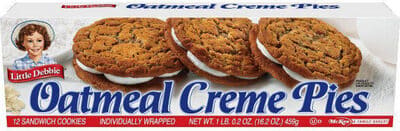
Cookies
Little Debbie Oatmeal Creme Pies
450 g
Score
- Not permitted in some countries
- Dye with an EU warning label
- Contains synthetic dyes
- Ultra-processed
- High in sugar
- High in saturated fat
- Contains added sugars
- Contains emulsifiers studied for gut effects
Why it scores 0
Little Debbie Oatmeal Creme Pies scores 0 out of 100 (Bad) under GoodSwap’s published rules. What moved the score most:
- minus 20 points Corn syrup: An added sugar. Strong
- minus 20 points Malt syrup: An added sugar. Strong
- minus 18 points Ultra-processed (NOVA 4): Classified NOVA 4: made with industrial ingredients and additives. Strong
Every line of the math is on The Receipt below, with its evidence tier and sources.
Better snack cakes and brownies
-
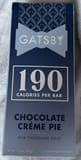 Chocolate Crème Pie Gatsby No banned ingredients · No EU warning-label dyes Score 41 out of 100 , 41 points higher
 -
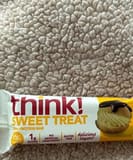 Boston Crème Pie Think! · 2.01 oz/57 g No banned ingredients · No EU warning-label dyes Score 32 out of 100 , 32 points higher
 -
 Lemon Crème Cups Chocxo No banned ingredients · No EU warning-label dyes Score 40 out of 100 , 40 points higher
 -
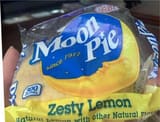 Moon Pie No banned ingredients · No EU warning-label dyes Score 79 out of 100 , 79 points higher
 -
 Boston Creme Honey Bun Mrs. Freshley's · 5 oz No banned ingredients · No EU warning-label dyes Score 45 out of 100 , 45 points higher
The same kind of product, at least 10 points higher, sold in the US. Never paid placements.
The Receipt
Little Debbie Oatmeal Creme Pies
Ingredients
- Corn syrup minus 20 points
- Malt syrup minus 20 points
- Sugar minus 10 points
Processing
- Ultra-processed (NOVA 4) minus 18 points
- 6 kinds of ultra-processing markers minus 7.5 points
Nutrition per 100 g
- Sugars 34.2 g / 100 g minus 14 points
- Saturated fat 7.9 g / 100 g minus 7 points
- Salt 1 g / 100 g minus 3 points
- Energy 447 kcal / 100 g minus 2 points
100 − 101.5 = -1.5 → 0
Can’t score above 25. Contains titanium dioxide, which is banned in food in the EU. [7]
Can’t score above 79. Contains corn syrup, an ingredient of high concern. [1][2][3][8][9][10][11][12][7][13][14][15][16][17][18][19][20][21][22][23][24]
Can’t score above 79. High in fat, saturated fat and sugars (above the front-of-pack "high" level). [25]
Nutrition per 100 g
| Energy | 447 kcal |
|---|---|
| Fat | 18.4 g |
| Saturated fat | 7.9 g |
| Trans fat | 0 g |
| Carbohydrates | 68.4 g |
| Sugars | 34.2 g |
| Added sugars | 34.2 g |
| Fiber | 2.6 g |
| Protein | 2.6 g |
| Salt | 1 g |
Serving: 1 cookie (38 g)
Ingredients
- corn syrup (high concern)
- enriched bleached flour (wheat flour, barley malt, niacin, reduced iron, thiamin mononitrate [vitamin b1], riboflavin [vitamin b2], folic acid)
- palm and soybean oils with tbhq and citric acid to protect flavor
- sugar (high concern)
- whole grain oats
- water
- dextrose (high concern)
- molasses (high concern)
- raisins
- soy flour
- leavening (baking soda, ammonium bicarbonate, sodium aluminum phosphate) (not recognized)
- whey
- salt
- soy lecithin
- corn starch
- mono - and diglycerides
- sorbitan monostearate
- polysorbate 60
- eggs
- palm and palm kernel oil
- egg whites
- cocoa processed with alkali
- high fructose corn syrup (high concern)
- rice flour
- nonfat dry milk
- modified corn starch
- datem
- modified tapioca starch
- carrageenan (moderate concern)
- colors (caramel color, titanium dioxide, red 40, beta carotene, annatto extract, turmeric, yellow 5, blue 1) (not recognized)
- sorbic acid (to preserve freshness)
- spices
- natural and artificial flavors
- citric acid
- malic acid
- propylene glycol monostearate
- sodium stearoyl lactylate
- polysorbate 80 (moderate concern)
- pectin
- sodium citrate
- modified wheat starch
- chocolate
- cocoa butter
Label text, as published
corn syrup, enriched bleached flour (wheat flour, barley malt, niacin, reduced iron, thiamin mononitrate [vitamin b1], riboflavin [vitamin b2], folic acid), palm and soybean oils with tbhq and citric acid to protect flavor, sugar, whole grain oats, water, dextrose, molasses, raisins, contains 2% or less of each of the following: soy flour, leavening (baking soda, ammonium bicarbonate, sodium aluminum phosphate), whey, salt, soy lecithin, corn starch, mono - and diglycerides, sorbitan monostearate, polysorbate 60, eggs, palm and palm kernel oil, egg whites, cocoa processed with alkali, high fructose corn syrup, rice flour, nonfat dry milk, modified corn starch, datem, modified tapioca starch, carrageenan, colors (caramel color, titanium dioxide, red 40, beta carotene, annatto extract, turmeric, yellow 5, blue 1), sorbic acid (to preserve freshness), spices, natural and artificial flavors, citric acid, malic acid, propylene glycol monostearate, sodium stearoyl lactylate, polysorbate 80, pectin, sodium citrate, modified wheat starch, chocolate, cocoa butter,
Allergens and diets
Contains: Milk, Soy, Wheat, Gluten, Egg
- Not vegan
- Not gluten-free
- Not palm-oil-free
Always check the package: recipes change.
More cookies on GoodSwap
-
 Fig Bar Blueberry Nature's Bakery · 2 oz Ultra-processedHigh in sugarContains added sugarsContains seed oils Score 14 out of 100 Bad
 -
 Crunchy Breakfast Biscuits Belvita · 1.76 oz Ultra-processedContains added sugarsContains emulsifiers studied for gut effectsContains seed oils Score 15 out of 100 Bad
 -
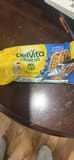 belVita Crunchy Blueberry Breakfast Biscuits Belvita · 1.76 oz Ultra-processedHigh in sugarContains added sugarsContains emulsifiers studied for gut effects Score 15 out of 100 Bad
 -
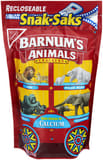 Barnum's Animals Crackers Snak-Saks · 1 × 8 oz Ultra-processedHigh in sugarContains added sugarsContains seed oils Score 14 out of 100 Bad
 -
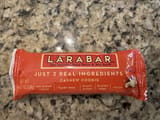 Larabar Cashew Cookie Larabar · 1.7 oz High in sugarNo additives Score 75 out of 100 Good
 -
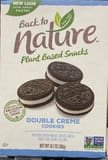 Double Creme Cookies Back To Nature · 10.7 oz/303 g Ultra-processedHigh in sugarHigh in saturated fatContains added sugars Score 3 out of 100 Bad
More from Little Debbie
Sources
-
Guideline: sugars intake for adults and children
“In both adults and children, WHO recommends reducing the intake of free sugars to less than 10% of total energy intake”
who.int
-
Dietary Guidelines for Americans, 2025–2030
“Limit foods and beverages that include artificial flavors, petroleum-based dyes, artificial preservatives, and low-calorie non-nutritive sweeteners.”
cdn.realfood.gov
-
Added and free sugars should be as low as possible
“Sugar consumption is a known cause of dental caries.”
efsa.europa.eu
-
Saturated fatty acid and trans-fatty acid intake for adults and children: WHO guideline
“WHO recommends that adults and children reduce saturated fatty acid intake to 10% of total energy intake (strong recommendation).”
who.int
-
“For adults, WHO recommends less than 2000 mg/day of sodium (equivalent to less than 5 g/day salt), or just under a teaspoon.”
who.int
-
“titanium dioxide (E 171) can no longer be considered safe when used as a food additive.”
eur-lex.europa.eu
-
21 CFR 184.1866 High fructose corn syrup
“a sweet, nutritive saccharide mixture containing either approximately 42 or 55 percent fructose”
ecfr.gov
-
Questions & Answers About 4-MEI
“Based on current science, the FDA has no reason to believe that there are any immediate or short-term health risks presented by 4-MEI at the levels expected in food.”
fda.gov
-
Agents Classified by the IARC Monographs, Volumes 1–142 (List of Classifications)
monographs.iarc.who.int
-
Proposition 65 List of Chemicals Known to the State to Cause Cancer or Reproductive Toxicity
“The date refers to the initial appearance of the chemical on the list.”
oehha.ca.gov
-
Titanium dioxide: E171 no longer considered safe when used as a food additive
“the Panel concluded that titanium dioxide can no longer be considered safe as a food additive.”
efsa.europa.eu
-
“Considering the very low oral absorption of INS 171, and in the absence of any identifiable hazard associated with INS 171 in the diet, the Committee reaffirmed the ADI “not specified” established at the Thirteenth meeting.”
who.int
-
Titanium dioxide (TiO2) as a food additive: Current science report
“In summary, the Food Directorate's position is that there is no conclusive scientific evidence that the food additive TiO2 is a concern for human health.”
canada.ca
-
Statement on the safety of Titanium Dioxide (E171) as a Food Additive (COT/2024/05)
“The Committee concludes that it is unlikely that there would be a risk to health from exposures of E171 TiO2 from the diet in any of the age groups or scenarios assessed.”
cot.food.gov.uk
-
Titanium Dioxide as a Color Additive in Foods
“Other international regulatory bodies including the United Kingdom’s Food Standards Agency (FSA), Health Canada, and Food Standards Australia New Zealand (FSANZ) have not agreed with EFSA’s assessment.”
fda.gov
-
Regulation (EC) No 1333/2008 of 16 December 2008 on food additives
“may have an adverse effect on activity and attention in children.”
eur-lex.europa.eu
-
“may have an adverse effect on activity and attention in children.”
legislation.gov.uk
-
“Artificial colours or a sodium benzoate preservative (or both) in the diet result in increased hyperactivity in 3-year-old and 8/9-year-old children in the general population.”
doi.org
-
Tracking Food Industry Pledges to Remove Petroleum Based Food Dyes
“FD&C Green No. 3, FD&C Red No. 40, FD&C Yellow No. 5, FD&C Yellow No. 6, FD&C Blue No. 1, and FD&C Blue No. 2—by the end of 2027.”
fda.gov
-
California AB 2316 (2024), Pupil nutrition: substances: prohibition
“beginning December 31, 2027, would prohibit a school district, county superintendent of schools, or charter school”
leginfo.legislature.ca.gov
-
List of Select Chemicals in the Food Supply Under FDA Review
“The table below includes select food ingredients (including food and color additives), food contact substances, and contaminants under FDA review as of May 12, 2026 .”
fda.gov
-
21 CFR 74.705 FD&C Yellow No. 5
“shall specifically declare the presence of FD&C Yellow No. 5 by listing the color additive as FD&C Yellow No. 5 among the list of ingredients.”
ecfr.gov
-
“Table 3: Criteria for drinks (per 100ml)”
assets.publishing.service.gov.uk
-
Revocation of Authorization for Use of Brominated Vegetable Oil in Food (89 FR 55040)
“This action is being taken because there is no longer a reasonable certainty of no harm from the continued use of BVO in food.”
federalregister.gov
-
“This order is effective January 15, 2027, except for amendatory instruction 4, which is effective January 18, 2028.”
federalregister.gov
-
Regulation (EC) No 1223/2009 of 30 November 2009 on cosmetic products
“cosmetic products shall not contain any of the following: (a) prohibited substances — prohibited substances listed in Annex II”
eur-lex.europa.eu
-
HHS, FDA to Phase Out Petroleum-Based Synthetic Dyes in Nation’s Food Supply (press release)
“Initiating the process to revoke authorization for two synthetic food colorings—Citrus Red No. 2 and Orange B—within the coming months.”
fda.gov
-
“Greater exposure to ultra-processed food was associated with a higher risk of adverse health outcomes, especially cardiometabolic, common mental disorder, and mortality outcomes.”
doi.org
-
Dietary emulsifiers impact the mouse gut microbiota promoting colitis and metabolic syndrome
“carboxymethylcellulose and polysorbate-80, induced low-grade inflammation and obesity/metabolic syndrome in wild-type hosts and promoted robust colitis in mice predisposed to this disorder.”
doi.org
-
“Relative to control subjects, CMC consumption modestly increased postprandial abdominal discomfort and perturbed gut microbiota composition in a way that reduced its diversity.”
doi.org
-
“This study found positive associations between risk of CVD and intake of five individual and two groups of food additive emulsifiers widely used in industrial foods.”
doi.org
-
“Glycidyl fatty acid esters, expressed as glycidol”
eur-lex.europa.eu
-
1,4-Dioxane in Cosmetics: A Manufacturing Byproduct
“1,4-dioxane forms as a byproduct during the manufacturing process of certain cosmetic ingredients.”
fda.gov