Food additive · Thickener / stabilizer
Pectin
- E-number
- E440
A gelling agent from fruit, used in jams, jellies and gummies.
- Food additive
- Thickener, stabilizer or gelling agent
- Ultra-processing marker
- Expert review pending
Concern level
A minor or very limited concern, such as being an ultra-processing marker only. The concern level sets how many points pectin costs on a product’s receipt.
What the evidence says
-
Marker of ultra-processingInfo
An ingredient class typical of ultra-processed foods (NOVA group 4). [1]
Evidence tiers say how sure the evidence is, separately from how much it matters. About evidence tiers.
Popular products that list pectin
743 of the 17,000 most-scanned products in the US with a GoodSwap page list pectin. The 12 most scanned:
-
 Fig Bar Blueberry Nature's Bakery · 2 oz Score 14 out of 100 Bad
 -
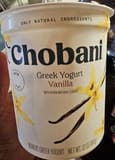 Greek Yogurt Vanilla Chobani · 32 oz Score 53 out of 100 Okay
 -
 Yoggies Natures Garden Probiotic Strawberry Yoggies · (20 g) 0.7 oz Score 47 out of 100 Okay
 -
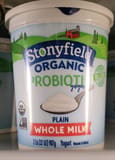 Plain Whole Milk Probiotic Yogurt Stonyfield Organic · 32 oz Score 82 out of 100 Excellent
 -
 FIG BAR Raspberry Nature's Bakery · 57 g Score 16 out of 100 Bad
 -
 Mixed Berry Vanilla Protein Shake Chobani · 10 fl oz (296 mL) Score 64 out of 100 Good
 -
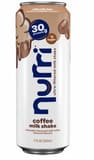 Nufri Chocolate Milk Shake Nurri Score 56 out of 100 Okay
 -
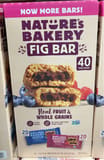 Blueberry Fig Bar Nature's Bakery Score 15 out of 100 Bad
 -
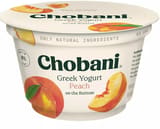 Greek Yogurt Peach on the Bottom Chobani · 5.3 oz, 150 g Score 53 out of 100 Okay
 -
 Greek Yogurt Blueberry on the Bottom Chobani · 5.3 oz Score 53 out of 100 Okay
 -
 Strawberries & Cream Chobani · 10 fl oz (296 mL) Score 62 out of 100 Good
 -
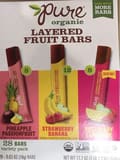 Layered Fruit Bars Variety Pack Pure Organic Score 37 out of 100 Poor
Diets and allergens
- Vegan
- Yes
- Vegetarian
- Yes
- Gluten-free
- Yes
For the ingredient in general. Always check the package: a product’s own labels win.
Names GoodSwap recognizes on labels (40)
- e440
- pectin
- pektin
- pectine
- pectins
- apple pectin
- fruit pectin
- lemon pectin
- citrus pectin
- liquid pectin
- organic pectin
- thickener e440
- amidated pectin
- thickener pectin
- stabiliser pectin
- stabilizer pectin
- thickener pectins
- thickeners pectin
- gelling agent e440
- pectin from citrus
- stabiliser pectins
- stabilisers pectin
- stabilizer pectins
- stabilizers pectin
- thickeners pectins
- low methoxyl pectin
- stabilisers pectins
- gelling agent pectin
- glazing agent pectin
- high methoxyl pectin
- pectin gelling agent
- gelling agent pectins
- gelling agents pectin
- glazing agent pectins
- gelling agents pectins
- stabiliser fruit pectin
- gelling agent fruit pectin
- stabiliser amidated pectin
- gelling agent citrus pectin
- gelling agent amidated pectin