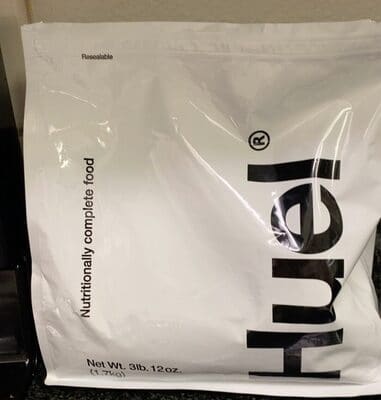
Meal replacements
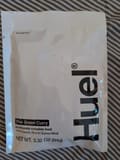
Huel V3.0
60 oz
Score
- Ultra-processed
- Contains seed oils
- No synthetic dyes
- Contains whole grains
Why it scores 68
Huel V3.0 scores 68 out of 100 (Good) under GoodSwap’s published rules. What moved the score most:
- minus 18 points Ultra-processed (NOVA 4): Classified NOVA 4: made with industrial ingredients and additives. Strong
- plus 4 points Fiber 8 g / 100 g: A good source of fiber. Strong
- minus 3 points 3 kinds of ultra-processing markers: Industrial additive classes found: color (added), industrial protein and thickener, stabilizer or gelling agent. Emerging
Every line of the math is on The Receipt below, with its evidence tier and sources.
Better protein shakes
-
 Marine Collagen Wild-caught Orgain Not ultra-processed · No seed oils Score 100 out of 100 , 32 points higher
 -
 Protein Shake Chocolate Oak Farms · half gallon/1.89 L Not ultra-processed · No seed oils Score 100 out of 100 , 32 points higher
 -
 Eden Shake Sesame & Sea Vegetable Seasoning Eden Not ultra-processed · No seed oils Score 79 out of 100 , 11 points higher
 -
 The MealBetix Lifestyle MealBetix · 15 oz Not ultra-processed · No seed oils Score 79 out of 100 , 11 points higher
 -
 Organic Cocoa Cashew Coconut Dairy-free Shake Forager Project No seed oils · No guar gum Score 79 out of 100 , 11 points higher
The same kind of product, at least 10 points higher, sold in the US. Never paid placements.
The Receipt
Huel V3.0
Ingredients
- Pea protein minus 2.5 points
- Rice protein minus 2.5 points
- Sunflower oil minus 2.5 points
- Fava bean protein minus 1.5 points
- Guar gum minus 1.5 points
- Xanthan gum minus 1.5 points
Processing
- Ultra-processed (NOVA 4) minus 18 points
- 3 kinds of ultra-processing markers minus 3 points
Nutrition per 100 g
- Saturated fat 2.5 g / 100 g minus 3 points
- Energy 400 kcal / 100 g minus 2 points
- Fiber 8 g / 100 g plus 4 points
- Protein 30 g / 100 g plus 2 points
100 − 32 = 68
Nutrition per 100 g
| Energy | 400 kcal |
|---|---|
| Fat | 12 g |
| Saturated fat | 2.5 g |
| Carbohydrates | 46 g |
| Sugars | 1 g |
| Fiber | 8 g |
| Protein | 30 g |
| Salt | 0 g |
Ingredients
- Gluten-Free Oats
- Pea Protein
- Ground Flaxseed
- Tapioca Starch
- Brown Rice Protein
- Micronutrient Blend (not recognized)
- Sunflower Oil Powder
- Medium-Chain Triglyceride Powder (from Coconut) (not recognized)
- Faba Bean Protein
- Guar Gum
- Xanthan Gum
- Micronutrient Blend: Potassium Citrate
- Potassium Chloride
- Calcium Carbonate
- Sodium Chloride
- L-Ascorbic Acid
- Lutein
- D-Alpha Tocopherol Acetate
- Menaquinone-7
- Niacinamide
- Retinyl Acetate
- Calcium D-Pantothenate
- Cyanocobalamin
- Plant-Derived Cholecalciferol
- Potassium Iodide
- Ergocalciferol
- Pyridoxine Hydrochloride
- Riboflavin
- Thiamine Mononitrate
- Calcium L-Methylfolate
Label text, as published
Gluten-Free Oats, Pea Protein, Ground Flaxseed, Tapioca Starch, Brown Rice Protein, Micronutrient Blend*, Sunflower Oil Powder, Medium-Chain Triglyceride Powder (from Coconut), Faba Bean Protein, Guar Gum, Xanthan Gum. *Micronutrient Blend: Potassium Citrate, Potassium Chloride, Calcium Carbonate, Sodium Chloride, L-Ascorbic Acid, Lutein, D-Alpha Tocopherol Acetate, Menaquinone-7, Niacinamide, Retinyl Acetate, Calcium D-Pantothenate, Cyanocobalamin, Plant-Derived Cholecalciferol, Potassium Iodide, Ergocalciferol, Pyridoxine Hydrochloride, Riboflavin, Thiamine Mononitrate, Calcium L-Methylfolate. CONTAINS: TREE NUTS (COCONUT).
Allergens and diets
Contains: Tree nuts, Gluten
- Vegan
- Vegetarian
- Not gluten-free
- Palm-oil-free
Always check the package: recipes change.
More meal replacements on GoodSwap
-
 Creamy Chocolate Soylent · 14 fl oz (414 mL) Ultra-processedContains non-nutritive sweetenersContains seed oils Score 54 out of 100 Okay
 -
 Classic Vanilla Glucerna hunger smart · 10 fl oz/296 mL Contains non-nutritive sweetenersContains added sugarsContains emulsifiers studied for gut effectsContains seed oils Score 24 out of 100 Poor
 -
 Meal Replacement Shake Equate · 1.0 cL Ultra-processedContains non-nutritive sweetenersContains added sugarsContains emulsifiers studied for gut effects Score 28 out of 100 Poor
 -
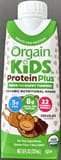 Kids Protein Plus Orgain · 8 oz (237 mL) Ultra-processedContains non-nutritive sweetenersContains added sugarsContains seed oils Score 29 out of 100 Poor
 -
 Glucerna Original - Vanilla Abbott · 237 mL Ultra-processedContains added sugarsContains emulsifiers studied for gut effectsContains seed oils Score 35 out of 100 Poor
 -
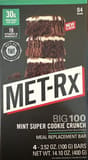 Mint Super Cookie Crunch Met-RX Ultra-processedHigh in sugarHigh in saturated fatContains added sugars Score 6 out of 100 Bad
More from Huel
Sources
-
“replacement of saturated fat in the diet with linoleic acid effectively lowers serum cholesterol but does not support the hypothesis that this translates to a lower risk of death from coronary heart disease or all causes.”
doi.org
-
“These data provide support for current recommendations to replace saturated fat with polyunsaturated fat for primary prevention of CHD.”
doi.org
-
Saturated fatty acid and trans-fatty acid intake for adults and children: WHO guideline
“WHO recommends that adults and children reduce saturated fatty acid intake to 10% of total energy intake (strong recommendation).”
who.int
-
Dietary Guidelines for Americans, 2025–2030
“Limit foods and beverages that include artificial flavors, petroleum-based dyes, artificial preservatives, and low-calorie non-nutritive sweeteners.”
cdn.realfood.gov
-
“Greater exposure to ultra-processed food was associated with a higher risk of adverse health outcomes, especially cardiometabolic, common mental disorder, and mortality outcomes.”
doi.org