Breads
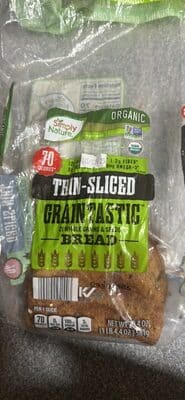
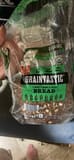
Simply Nature Thin-Sliced Graintastic Bread
20.4 oz, 581 g
Score
- Ultra-processed
- Contains added sugars
- Certified organic
- Contains whole grains
Why it scores 61
Simply Nature Thin-Sliced Graintastic Bread scores 61 out of 100 (Good) under GoodSwap’s published rules. What moved the score most:
- minus 20 points Sugar: An added sugar. Strong
- minus 18 points Ultra-processed (NOVA 4): Classified NOVA 4: made with industrial ingredients and additives. Strong
- minus 5 points Sugars 10.7 g / 100 g: High in sugar. Strong
Every line of the math is on The Receipt below, with its evidence tier and sources.
Better sliced bread
-
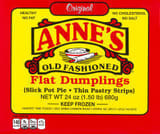 Anne's Old Fashioned Flat Dumplings - Original Anne's · 24 oz Not ultra-processed · No added sugars Score 100 out of 100 , 39 points higher
 -
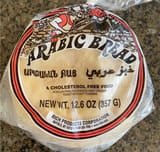 Arabic Bread Rich Products Corporation Not ultra-processed · No added sugars Score 99 out of 100 , 38 points higher
 -
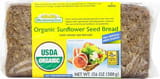 Sunflower Seed Rye Bread Mestemacher Not ultra-processed · No added sugars Score 100 out of 100 , 39 points higher
 -
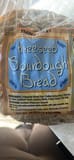 three seed Sourdough Bread Trader Joe's · 24 oz Not ultra-processed · No added sugars Score 100 out of 100 , 39 points higher
 -
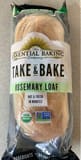 Organic Take & Bake Rosemary Bread The Essential Baking Company Not ultra-processed · No added sugars Score 100 out of 100 , 39 points higher
The same kind of product, at least 10 points higher, sold in the US. Never paid placements.
The Receipt
Thin-Sliced Graintastic Bread
Ingredients
- Sugar minus 20 points
- Wheat gluten minus 2.5 points
Processing
- Ultra-processed (NOVA 4) minus 18 points
Nutrition per 100 g
- Sugars 10.7 g / 100 g minus 5 points
- Saturated fat 1.8 g / 100 g minus 1 points
- Salt 0.9 g / 100 g minus 3 points
- Energy 250 kcal / 100 g minus 1 points
- Fiber 7.1 g / 100 g plus 4 points
- Protein 10.7 g / 100 g plus 2 points
Bonuses
- Certified organic plus 5 points
100 − 39.5 = 60.5 → 61
Can’t score above 79. Contains sugar, an ingredient of high concern. [1][2][3]
Nutrition per 100 g
| Energy | 250 kcal |
|---|---|
| Fat | 3.6 g |
| Saturated fat | 1.8 g |
| Carbohydrates | 46.4 g |
| Sugars | 10.7 g |
| Added sugars | 10.7 g |
| Fiber | 7.1 g |
| Protein | 10.7 g |
| Salt | 0.9 g |
Serving: 1 slice (28 g)
Ingredients
- organic whole wheat (organic whole wheat flour, organic cracked whole wheat)
- water
- organic cane sugar (high concern)
- organic whole grain and seed mix (organic whole flax seeds, organic ground flax seeds, organic sunflower seeds, organic sesame seeds, organic pumpkin seeds, organic black sesame seeds, organic millet, organic rolled oats, organic rolled barley, organic rolled rye, organic rolled whole wheat, organic rolled spelt, organic quinoa, organic triticale flour, organic amaranth flour, organic yellow corn flour, organic khorasan wheat flour, organic buckwheat flour, organic purple corn flour, organic brown rice flour, organic sorghum flour)
- organic vital wheat gluten
- cultured wheat flour
- yeast
- sea salt
- organic oat fiber
- wheat fiber
- organic camu camu powder
Label text, as published
organic whole wheat (organic whole wheat flour, organic cracked whole wheat), water, organic cane sugar, organic whole grain and seed mix (organic whole flax seeds, organic ground flax seeds, organic sunflower seeds, organic sesame seeds, organic pumpkin seeds, organic black sesame seeds, organic millet, organic rolled oats, organic rolled barley, organic rolled rye, organic rolled whole wheat, organic rolled spelt, organic quinoa, organic triticale flour, organic amaranth flour, organic yellow corn flour, organic khorasan wheat flour, organic buckwheat flour, organic purple corn flour, organic brown rice flour, organic sorghum flour), organic vital wheat gluten, cultured wheat flour, yeast, sea salt, organic oat fiber, wheat fiber, organic camu camu powder,
Allergens and diets
Contains: Wheat, Gluten, Sesame
- Not gluten-free
- Palm-oil-free
Always check the package: recipes change.
Packaging
Plastic
Context only: no points in v1.
More breads on GoodSwap
-
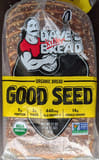 Organic Bread Good Seed Dave's Killer Bread · 27 oz Ultra-processedContains added sugarsCertified organicContains whole grains Score 42 out of 100 Okay
 -
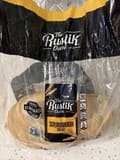 Sourdough Bread The Rustik Oven · 1 lb/454 g Ultra-processedSeed-oil free Score 73 out of 100 Good
 -
 Delightful Bread Sara Lee · 567 g Ultra-processedContains non-nutritive sweetenersContains added sugarsContains emulsifiers studied for gut effects Score 23 out of 100 Poor
 -
 Whole Grains Oatnut Brownberry · 680 g Ultra-processedContains added sugarsContains seed oilsContains whole grains Score 51 out of 100 Okay
 -
 San Francisco Style Sourdough Izzio Artisan Bakery · 24 oz Contains whole grains Score 88 out of 100 Excellent
 -
 Thin-Sliced Seedtastic Bread Simply Nature Ultra-processedContains added sugarsCertified organicContains whole grains Score 64 out of 100 Good
More from Simply Nature
Sources
-
Guideline: sugars intake for adults and children
“In both adults and children, WHO recommends reducing the intake of free sugars to less than 10% of total energy intake”
who.int
-
Dietary Guidelines for Americans, 2025–2030
“Limit foods and beverages that include artificial flavors, petroleum-based dyes, artificial preservatives, and low-calorie non-nutritive sweeteners.”
cdn.realfood.gov
-
Added and free sugars should be as low as possible
“Sugar consumption is a known cause of dental caries.”
efsa.europa.eu
-
Saturated fatty acid and trans-fatty acid intake for adults and children: WHO guideline
“WHO recommends that adults and children reduce saturated fatty acid intake to 10% of total energy intake (strong recommendation).”
who.int
-
“For adults, WHO recommends less than 2000 mg/day of sodium (equivalent to less than 5 g/day salt), or just under a teaspoon.”
who.int
-
7 CFR 205.102 Use of the term "organic" (National Organic Program)
“Any agricultural product that is sold, labeled, or represented as “100 percent organic,” “organic,” or “made with organic (specified ingredients or food group(s))” must be: (a) Produced in accordance with the requirements specified in § 205.101 or §§ 205.202 through 205.207”
ecfr.gov
-
“Greater exposure to ultra-processed food was associated with a higher risk of adverse health outcomes, especially cardiometabolic, common mental disorder, and mortality outcomes.”
doi.org