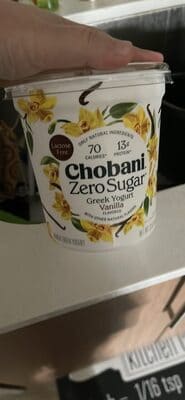
Greek-style yogurts
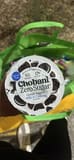
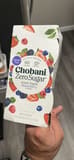
Chobani Zero Sugar Greek Yogurt Vanilla Flavored
30 oz
Score
- Ultra-processed
- Contains non-nutritive sweeteners
Why it scores 66
Chobani Zero Sugar Greek Yogurt Vanilla Flavored scores 66 out of 100 (Good) under GoodSwap’s published rules. What moved the score most:
- minus 18 points Ultra-processed (NOVA 4): Classified NOVA 4: made with industrial ingredients and additives. Strong
- minus 6 points 5 kinds of ultra-processing markers: Industrial additive classes found: bulking agent, flavoring, industrial protein, non-nutritive sweetener and thickener, stabilizer or gelling agent. Emerging
- minus 2.5 points Milk protein concentrate / isolate: An ingredient typical of ultra-processed foods (NOVA group 4). Info
Every line of the math is on The Receipt below, with its evidence tier and sources.
Better yogurt
-
 Organic Greek Plain Reduced Fat Yogurt Green Mountain Creamery Not ultra-processed · No non-nutritive sweeteners Score 100 out of 100 , 34 points higher
 -
 Greek yogurt Lucerne · 907 g Not ultra-processed · No non-nutritive sweeteners Score 100 out of 100 , 34 points higher
 -
 Whole Milk Greek Yogurt Plain Friendly Farms · 32 oz (907 g) Not ultra-processed · No non-nutritive sweeteners Score 100 out of 100 , 34 points higher
 -
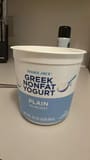 Greek Nonfat Yogurt Plain Trader Joe's · 2 lb (907 g) Not ultra-processed · No non-nutritive sweeteners Score 100 out of 100 , 34 points higher
 -
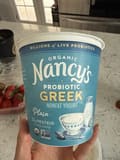 Probiotic Greek Nonfat Yogurt Plain Nancy's · 170 g Not ultra-processed · No non-nutritive sweeteners Score 100 out of 100 , 34 points higher
The same kind of product, at least 10 points higher, sold in the US. Never paid placements.
The Receipt
Greek Yogurt Vanilla Flavored
Ingredients
- Milk protein concentrate / isolate minus 2.5 points
- Allulose minus 2.5 points
- Natural flavors minus 2.5 points
- Guar gum minus 1.5 points
- Stevia (steviol glycosides) minus 1.5 points
- Monk fruit extract minus 1.5 points
Processing
- Ultra-processed (NOVA 4) minus 18 points
- 5 kinds of ultra-processing markers minus 6 points
Nutrition per 100 g
- Protein 13 g / 100 g plus 2 points
100 − 34 = 66
Nutrition per 100 g
| Energy | 70 kcal |
|---|---|
| Fat | 0 g |
| Saturated fat | 0 g |
| Carbohydrates | 6 g |
| Sugars | 0 g |
| Added sugars | 0 g |
| Fiber | 1 g |
| Protein | 13 g |
| Salt | 0.2 g |
Serving: 170.0g
Ingredients
- Ultra- Filtered Nonfat Milk ( Ingredient Not Found in Regular Yogurt)
- Water
- Skim Milk ( Includes a Dietarily Insignificant Amount of Sugar)
- Allulose ( Includes a Dietarily Insignificant Amount of Sugar)
- Vanilla Extract
- Natural Flavors
- Tapioca Flour
- Citrus Fiber
- Guar Gum
- Sea Salt
- Stevia Leaf Extract ( Reb M)
- Monk Fruit Extract
- Citric Acid
- Cultures. 6 Live and Active Cultures: S. Thermophilus
- L. Bulgaricus
- L. Acidophilus
- Bifidus
- L. Casei
- L. Rhamnosus
Label text, as published
Ultra- Filtered Nonfat Milk ( Ingredient Not Found in Regular Yogurt), Water, Skim Milk ( Includes a Dietarily Insignificant Amount of Sugar), Allulose ( Includes a Dietarily Insignificant Amount of Sugar), Contains 2% or Less of: Vanilla Extract, Natural Flavors, Tapioca Flour, Citrus Fiber, Guar Gum, Sea Salt, Stevia Leaf Extract ( Reb M), Monk Fruit Extract, Citric Acid, Cultures. 6 Live and Active Cultures: S. Thermophilus, L. Bulgaricus, L. Acidophilus, Bifidus, L. Casei, and L. Rhamnosus.
Allergens and diets
Contains: Milk
- Not vegan
- Palm-oil-free
Always check the package: recipes change.
More Greek-style yogurts on GoodSwap
-
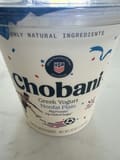 Greek Yogurt Nonfat Plain Chobani · 32 oz Score 100 out of 100 Excellent
 -
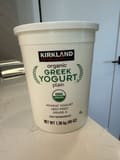 organic GREEK YOGURT plain Kirkland Signature · 1.36 kg (48 oz) Certified organic Score 100 out of 100 Excellent
 -
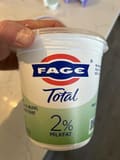 Total 2% Milkfat Fage · 32 oz Score 100 out of 100 Excellent
 -
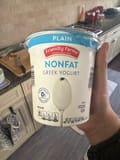 Nonfat Greek Yogurt Friendly Farms · 850 g Score 100 out of 100 Excellent
 -
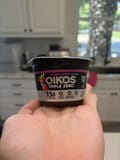 OIKOS TRIPLE ZERO Strawberry Flavored Oikos · 18 - 5.3 oz (150 g) Containers / 5.96 lb (2.7 kg) Ultra-processedContains non-nutritive sweeteners Score 78 out of 100 Good
 -
 Total 0% Milkfat Fage · 5.3 oz Score 100 out of 100 Excellent
More from Chobani Zero Sugar
Sources
-
21 CFR 101.22 Foods; labeling of spices, flavorings, colorings and chemical preservatives
“whose significant function in food is flavoring rather than nutritional.”
ecfr.gov
-
WHO advises not to use non-sugar sweeteners for weight control in newly released guideline
“The recommendation is based on the findings of a systematic review of the available evidence which suggests that use of NSS does not confer any long-term benefit in reducing body fat in adults or children.”
who.int
-
Dietary Guidelines for Americans, 2025–2030
“Limit foods and beverages that include artificial flavors, petroleum-based dyes, artificial preservatives, and low-calorie non-nutritive sweeteners.”
cdn.realfood.gov
-
“Greater exposure to ultra-processed food was associated with a higher risk of adverse health outcomes, especially cardiometabolic, common mental disorder, and mortality outcomes.”
doi.org