Dietary supplements
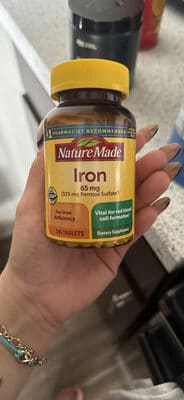
Nature Made Iron 65 mg
Score
- Contains emulsifiers studied for gut effects
- May contain traces of 1,4-dioxane
- No synthetic dyes
Why it scores 92
Nature Made Iron 65 mg scores 92 out of 100 (Excellent) under GoodSwap’s published rules. What moved the score most:
- minus 5 points Polysorbate 80: In mice, polysorbate 80 altered the gut microbiota and promoted low-grade inflammation and metabolic syndrome; human evidence is limited. Strong
- minus 1 points Microcrystalline cellulose: An ingredient class typical of ultra-processed foods (NOVA group 4). Info
- minus 1 points Calcium phosphate: EFSA (2019) set a group ADI for phosphates of 40 mg/kg body weight (as phosphorus) and noted that infants, toddlers and children may exceed it. Strong
Every line of the math is on The Receipt below, with its evidence tier and sources.
The Receipt
Iron 65 mg
Ingredients
- Polysorbate 80 minus 5 points
- Microcrystalline cellulose minus 1 points
- Calcium phosphate minus 1 points
- Hydroxypropyl methylcellulose minus 0.5 points
- Color added (not named) minus 0.5 points
- Polyethylene glycols (PEG) and ethoxylates minus 0.5 points
100 − 8.5 = 91.5 → 92
Ingredients
- Cellulose Gel
- Dibasic Calcium Phosphate
- Croscarmellose Sodium
- Hypromellose
- Color Added
- Magnesium Stearate
- Polyethylene Glycol
- Triethyl Citrate
- Polysorbate 80 (moderate concern)
Label text, as published
Cellulose Gel, Dibasic Calcium Phosphate, Croscarmellose Sodium, Hypromellose, Color Added, Magnesium Stearate, Polyethylene Glycol, Triethyl Citrate, Polysorbate 80
Allergens and diets
- Palm-oil-free
Always check the package: recipes change.
More dietary supplements on GoodSwap
-
 Organic Supergreens Fruits & Vegetables Zena Greens Contains non-nutritive sweetenersContains caffeineCertified organicContains whole grains Score 95 out of 100 Excellent
 -
 Super Orange Flavored Fizzy Drink Mix Emergen-C · 9.1 g Contains added sugarsNo synthetic dyes Score 86 out of 100 Excellent
 -
 Greens and superfoods Bloom · 10.24 oz Contains non-nutritive sweetenersContains caffeineContains whole grains Score 97 out of 100 Excellent
 -
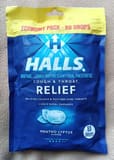 Halls Relief Halls Dye with an EU warning labelContains synthetic dyesContains added sugars Score 60 out of 100 Good
 -
 Emergen-C Immune+ Super Orange Emergen-C Score 97 out of 100 Excellent
 -
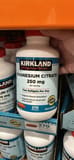 Magnesium Citrate Kikland Signature Seed-oil free Score 99 out of 100 Excellent
More from Nature Made

Sources
-
Dietary emulsifiers impact the mouse gut microbiota promoting colitis and metabolic syndrome
“carboxymethylcellulose and polysorbate-80, induced low-grade inflammation and obesity/metabolic syndrome in wild-type hosts and promoted robust colitis in mice predisposed to this disorder.”
doi.org
-
Scientific Opinion on the re-evaluation of polysorbates (E 432–436) as food additives
“There is no concern regarding genotoxicity, carcinogenicity or developmental toxicity.”
doi.org
-
EFSA issues new advice on phosphates
“We estimated that dietary exposure to phosphates may exceed the new ADI for infants, toddlers and children with average consumption of phosphates in their diet.”
efsa.europa.eu
-
21 CFR 101.22(k) Declaring color additives in the ingredient list
“Color additives not subject to certification and not otherwise required by applicable regulations in part 73 of this chapter to be declared by their respective common or usual names may be declared as “Artificial Color,” “Artificial Color Added,” or “Color Added””
ecfr.gov
-
1,4-Dioxane in Cosmetics: A Manufacturing Byproduct
“1,4-dioxane forms as a byproduct during the manufacturing process of certain cosmetic ingredients.”
fda.gov
-
Agents Classified by the IARC Monographs, Volumes 1–142 (List of Classifications)
monographs.iarc.who.int
-
“Relative to control subjects, CMC consumption modestly increased postprandial abdominal discomfort and perturbed gut microbiota composition in a way that reduced its diversity.”
doi.org
-
“This study found positive associations between risk of CVD and intake of five individual and two groups of food additive emulsifiers widely used in industrial foods.”
doi.org