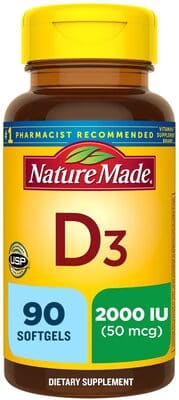
Dietary supplements
Nature Made D3
Score
- Contains seed oils
Why it scores 98
Nature Made D3 scores 98 out of 100 (Excellent) under GoodSwap’s published rules. What moved the score most:
- minus 1 points Soybean oil: High in omega-6 linoleic acid. Emerging
- minus 1 points Glycerin: An additive class typical of ultra-processed foods (NOVA group 4). Info
Every line of the math is on The Receipt below, with its evidence tier and sources.
The Receipt
D3
START100
Ingredients
- Soybean oil minus 1 points
- Glycerin minus 1 points
subtotal−2
TOTAL 98Excellent
100 − 2 = 98
Ingredients
High Moderate Not recognized Tap an ingredient for its evidence and rules.
Label text, as published
Soybean Oil, Gelatin, Glycerin
Allergens and diets
Contains: Soy
- Not vegan
- Not vegetarian
- Palm-oil-free
Always check the package: recipes change.
More dietary supplements on GoodSwap
-
 Organic Supergreens Fruits & Vegetables Zena Greens Contains non-nutritive sweetenersContains caffeineCertified organicContains whole grains Score 95 out of 100 Excellent
 -
 Super Orange Flavored Fizzy Drink Mix Emergen-C · 9.1 g Contains added sugarsNo synthetic dyes Score 86 out of 100 Excellent
 -
 Greens and superfoods Bloom · 10.24 oz Contains non-nutritive sweetenersContains caffeineContains whole grains Score 97 out of 100 Excellent
 -
 Magnesium 250mg Spring Valley Contains emulsifiers studied for gut effects Score 93 out of 100 Excellent
 -
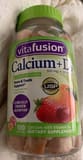 VitaFusion Calcium + D3 (Bone & Teeth Support) Vitafusion · 25 mcg per serving Contains added sugars Score 76 out of 100 Good
 -
 Gummy Multivitamin L'il Critters · 190 gummies Contains added sugarsContains palm oilSeed-oil freeNo synthetic dyes Score 73 out of 100 Good
More from Nature Made


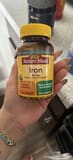
Sources
-
“replacement of saturated fat in the diet with linoleic acid effectively lowers serum cholesterol but does not support the hypothesis that this translates to a lower risk of death from coronary heart disease or all causes.”
doi.org
-
“These data provide support for current recommendations to replace saturated fat with polyunsaturated fat for primary prevention of CHD.”
doi.org