Beauty ingredient · Emulsifier / solvent
Polyethylene glycols (PEG) and ethoxylates
Polyethylene glycol ingredients (PEG-n, -eth-, -oxynol-); ethoxylation can leave traces of 1,4-dioxane.
- Ethoxylated ingredient
- Expert review pending
Concern level
A minor or very limited concern, such as being an ultra-processing marker only. The concern level sets how many points polyethylene glycols (PEG) and ethoxylates costs on a product’s receipt.
What the evidence says
-
May contain 1,4-dioxaneStrong evidence
Ingredients named with PEG, -eth- or -oxynol- can carry trace 1,4-dioxane from manufacturing (IARC Group 2B). [1][2]
Evidence tiers say how sure the evidence is, separately from how much it matters. About evidence tiers.
Popular products that list polyethylene glycols (PEG) and ethoxylates
33 of the 17,000 most-scanned products in the US with a GoodSwap page list polyethylene glycols (PEG) and ethoxylates. The 12 most scanned:
-
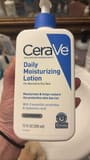 Daily Moisturizing Lotion CeraVe · 237 mL Score 92 out of 100 Excellent
 -
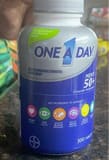 One a day Men’s 50+ Bayer Score 15 out of 100 Bad
 -
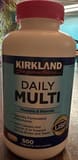 Daily Multi Kirkland · 500 tablets Score 95 out of 100 Excellent
 -
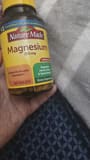 Magnesium Nature Made · 250 mg Score 96 out of 100 Excellent
 -
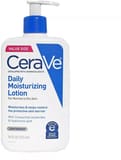 Moisturing Lotion CeraVe Score 92 out of 100 Excellent
 -
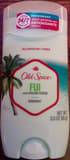 Fiji Deoderant Old Spice · 3.0 oz (85 g) Score 93 out of 100 Excellent
 -
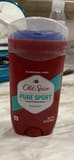 Pure Sport Old Spice Score 92 out of 100 Excellent
 -
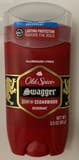 Swagger Deodorant Old Spice · 3.0 oz (85 g) Score 93 out of 100 Excellent
 -
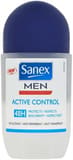 Active Control Sanex Score 94 out of 100 Excellent
 -
 Intensive Care Cocoa Radiant 48H Moisture/ Hydration Lotion Vaseline Score 86 out of 100 Excellent
 - Old Spice Swagger Old Spice Score 85 out of 100 Excellent
-
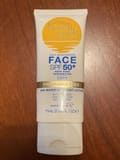 Daily Moisturising face SPF 50+ Bondi Sands · 75 mL Score 73 out of 100 Good
Names GoodSwap recognizes on labels (96)
- peg
- peg 4
- peg 6
- peg 8
- ppg 9
- peg 12
- peg 20
- peg 32
- peg 5m
- peg 75
- peg 90
- peg 14m
- peg 150
- peg 200
- peg 400
- peg 45m
- peg 90m
- deceth 3
- oleth 10
- oleth 20
- ceteth 20
- laureth 2
- laureth 3
- laureth 4
- laureth 7
- laureth 9
- laureth 23
- steareth 2
- beheneth 25
- glycereth 7
- nonoxynol 9
- steareth 20
- steareth 21
- trideceth 6
- ceteareth 12
- ceteareth 20
- ceteareth 25
- glycereth 26
- isoceteth 20
- steareth 100
- trideceth 12
- peg 4 laurate
- peg 7 olivate
- poloxamer 188
- poloxamer 338
- poloxamer 407
- peg 2 stearate
- peg 6 stearate
- c11 15 pareth 7
- c12 13 pareth 3
- peg 20 stearate
- peg 32 stearate
- peg 40 stearate
- peg 50 stearate
- poloxamine 1307
- polyoxyethylene
- ppg 5 ceteth 20
- peg 100 stearate
- peg 3 distearate
- peg 8 distearate
- ppg 26 buteth 26
- methyl gluceth 10
- methyl gluceth 20
- peg 10 dimethicone
- peg 12 dimethicone
- peg 150 distearate
- ppg 14 butyl ether
- polyethylene glycol
- peg 7 amodimethicone
- polyoxyl 40 stearate
- ppg 15 stearyl ether
- peg 7 glyceryl cocoate
- peg 30 glyceryl cocoate
- peg 80 glyceryl cocoate
- peg 80 sorbitan laurate
- peg 60 almond glycerides
- peg ppg 18 18 dimethicone
- polyglyceryl 4 laurate peg
- peg 16 macadamia glycerides
- ppg 2 hydroxyethyl cocamide
- peg 30 dipolyhydroxystearate
- ppg 3 benzyl ether myristate
- peg 45 palm kernel glycerides
- peg 18 glyceryl oleate cocoate
- peg 25 hydrogenated castor oil
- peg 40 hydrogenated castor oil
- peg 55 propylene glycol oleate
- peg 60 hydrogenated castor oil
- peg 120 methyl glucose dioleate
- ppg 1 peg 9 lauryl glycol ether
- peg 120 methyl glucose trioleate
- peg 6 caprylic capric glycerides
- peg 150 pentaerythrityl tetrastearate
- peg 200 hydrogenated glyceryl palmate
- polyethylene glycols peg and ethoxylates
- peg 40 hydrogenated castor oil and ppg 26 buteth 26
Sources
-
1,4-Dioxane in Cosmetics: A Manufacturing Byproduct
“1,4-dioxane forms as a byproduct during the manufacturing process of certain cosmetic ingredients.”
fda.gov
-
Agents Classified by the IARC Monographs, Volumes 1–142 (List of Classifications)
monographs.iarc.who.int