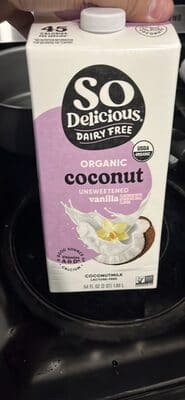
Plant-based milk alternatives
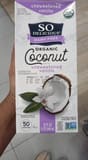
So Delicious Organic unsweetened vanilla coconut milk
Score
- Ultra-processed
- Certified organic
Why it scores 69
So Delicious Organic unsweetened vanilla coconut milk scores 69 out of 100 (Good) under GoodSwap’s published rules. What moved the score most:
- minus 18 points Ultra-processed (NOVA 4): Classified NOVA 4: made with industrial ingredients and additives. Strong
- plus 5 points Certified organic: Carries a certified-organic label. Info
- minus 3 points 3 kinds of ultra-processing markers: Industrial additive classes found: emulsifier, flavoring and thickener, stabilizer or gelling agent. Emerging
Every line of the math is on The Receipt below, with its evidence tier and sources.
Better canned coconut milk and cream
-
 Coconut Milk Malk · 28 fl oz Not ultra-processed · No calcium phosphate Score 100 out of 100 , 31 points higher
 -
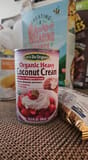 Heavy coconut cream Let's Do Organic Not ultra-processed · No calcium phosphate Score 100 out of 100 , 31 points higher
 -
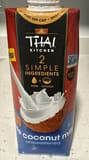 Lite Coconut Milk Thai Kitchen · 25.36 fl oz/749 mL Not ultra-processed · No calcium phosphate Score 100 out of 100 , 31 points higher
 -
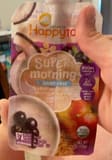 Super Morning Organic Apples, Acai, Coconut Milk & Oats +SuperChia Happy Tot Not ultra-processed · No calcium phosphate Score 100 out of 100 , 31 points higher
 -
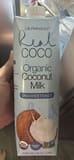 Organic Coconut Milk Real Coco No calcium phosphate · No magnesium phosphate Score 84 out of 100 , 15 points higher
The same kind of product, at least 10 points higher, sold in the US. Never paid placements.
The Receipt
Organic unsweetened vanilla coconut milk
Ingredients
- Calcium phosphate minus 2.5 points
- Magnesium phosphate minus 2.5 points
- Natural flavors minus 2.5 points
- Sunflower lecithin minus 1.5 points
- Locust bean gum minus 1.5 points
- Gellan gum minus 1.5 points
Processing
- Ultra-processed (NOVA 4) minus 18 points
- 3 kinds of ultra-processing markers minus 3 points
Nutrition per 100 ml
- Saturated fat 1.7 g / 100 ml minus 1 points
- Energy 19 kcal / 100 ml minus 2 points
Bonuses
- Certified organic plus 5 points
100 − 31 = 69
Nutrition per 100 ml
| Energy | 19 kcal |
|---|---|
| Fat | 1.9 g |
| Saturated fat | 1.7 g |
| Trans fat | 0 g |
| Carbohydrates | 0.4 g |
| Sugars | 0.4 g |
| Added sugars | 0 g |
| Fiber | 0 g |
| Protein | 0 g |
| Salt | 0.1 g |
Serving: 1 serving (240 ml)
Ingredients
- Organic Coconutmilk (Filtered Water, Organic Coconut Cream) (not recognized)
- Vitamin and Mineral Blend (Calcium Phosphate, Magnesium Phosphate, L- Selenomethionine [ Selenium], Vitamin A Acetate, Vitamin D2, Zinc Oxide, Vitamin B12)
- Sea Salt
- Natural Flavor
- Organic Sunflower Lecithin
- Organic Locust Bean Gum
- Gellan Gum
Label text, as published
Organic Coconutmilk ( Filtered Water, Organic Coconut Cream), Contains 2% or Less of: Vitamin and Mineral Blend ( Calcium Phosphate, Magnesium Phosphate, L- Selenomethionine [ Selenium], Vitamin A Acetate, Vitamin D2, Zinc Oxide, Vitamin B12), Sea Salt, Natural Flavor, Organic Sunflower Lecithin, Organic Locust Bean Gum, Gellan Gum.
Allergens and diets
Contains: Tree nuts
- Palm-oil-free
Always check the package: recipes change.
More plant-based milk alternatives on GoodSwap
-
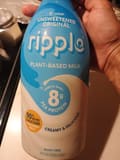 Dairy-Free Milk Ripple · 48 fl oz Ultra-processedContains seed oils Score 63 out of 100 Good
 -
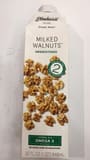 Milked Walnuts Unsweetened Elmhurst · 32 fl oz No additives Score 79 out of 100 Good
 -
 Cacao Essentials 100% Plant Based Shake Remedy Organics · 355 mL Ultra-processedContains non-nutritive sweetenersContains added sugarsCertified organic Score 43 out of 100 Okay
 -
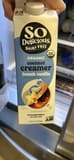 Vanilla coconut creamer french vanilla So Delicious · 32 oz Ultra-processedContains added sugarsCertified organicSeed-oil free Score 45 out of 100 Okay
 -
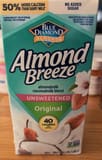 Almond Breeze Almondmilk Coconutmilk Blend Unsweetened Original Chilled Blue Diamond Ultra-processedContains emulsifiers studied for gut effects Score 62 out of 100 Good
 -
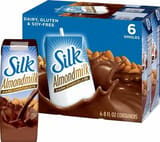 Chocolate Almondmilk, Single Serves Silk Ultra-processedHigh in sugarContains added sugars Score 32 out of 100 Poor
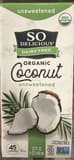
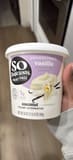
More from So Delicious
Sources
-
EFSA issues new advice on phosphates
“We estimated that dietary exposure to phosphates may exceed the new ADI for infants, toddlers and children with average consumption of phosphates in their diet.”
efsa.europa.eu
-
21 CFR 101.22 Foods; labeling of spices, flavorings, colorings and chemical preservatives
“whose significant function in food is flavoring rather than nutritional.”
ecfr.gov
-
Saturated fatty acid and trans-fatty acid intake for adults and children: WHO guideline
“WHO recommends that adults and children reduce saturated fatty acid intake to 10% of total energy intake (strong recommendation).”
who.int
-
Dietary Guidelines for Americans, 2025–2030
“Limit foods and beverages that include artificial flavors, petroleum-based dyes, artificial preservatives, and low-calorie non-nutritive sweeteners.”
cdn.realfood.gov
-
7 CFR 205.102 Use of the term "organic" (National Organic Program)
“Any agricultural product that is sold, labeled, or represented as “100 percent organic,” “organic,” or “made with organic (specified ingredients or food group(s))” must be: (a) Produced in accordance with the requirements specified in § 205.101 or §§ 205.202 through 205.207”
ecfr.gov
-
“Greater exposure to ultra-processed food was associated with a higher risk of adverse health outcomes, especially cardiometabolic, common mental disorder, and mortality outcomes.”
doi.org