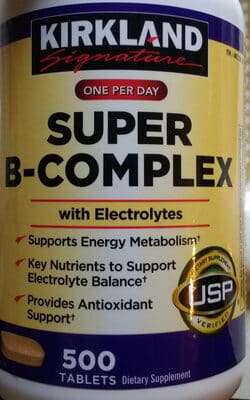
Vitamin supplements
Kirkland Signature One Per Day Super B-complex With Electrolytes,500 Tablets
500 tablets
Score
Why it scores 97
Kirkland Signature One Per Day Super B-complex With Electrolytes,500 Tablets scores 97 out of 100 (Excellent) under GoodSwap’s published rules. What moved the score most:
- minus 1 points Powdered cellulose: An additive class typical of ultra-processed foods (NOVA group 4). Info
- minus 1 points Calcium phosphate: EFSA (2019) set a group ADI for phosphates of 40 mg/kg body weight (as phosphorus) and noted that infants, toddlers and children may exceed it. Strong
- minus 1 points Silicon dioxide: An additive class typical of ultra-processed foods (NOVA group 4). Info
Every line of the math is on The Receipt below, with its evidence tier and sources.
The Receipt
Kirkland Signature One Per Day Super B-complex With Electrolytes,500 Tablets
Ingredients
- Powdered cellulose minus 1 points
- Calcium phosphate minus 1 points
- Silicon dioxide minus 1 points
- Carnauba wax minus 0.5 points
100 − 3.5 = 96.5 → 97
Nutrition per 100 g
| Added sugars | 0 g |
|---|
Serving: 1 Tablet (1 g)
Ingredients
- Sodium Chloride
- Ascorbic Acid
- Cellulose (Plant Origin)
- Thiamin Mononitrate
- Potassium Chloride
- Dicalcium Phosphate
- Croscarmellose Sodium
- Niacinamide
- Silicon Dioxide
- Riboflavin
- Mannibil (not recognized)
- Magnesium Stearate
- d-Calcium Pantothenate
- Pyridoxine Hydrochloride
- Cellulose Coating
- Folic Acid
- d-Biotin
- Cyanocobalamin
- Carnauba Wax
Label text, as published
Sodium Chloride, Ascorbic Acid, Cellulose (Plant Origin), Thiamin Mononitrate, Potassium Chloride, Dicalcium Phosphate, Croscarmellose Sodium, Niacinamide, Silicon Dioxide, Riboflavin, Mannibil, Magnesium Stearate, d-Calcium Pantothenate, Pyridoxine Hydrochloride, Cellulose Coating, Folic Acid, d-Biotin, Cyanocobalamin, Carnauba Wax.
Allergens and diets
- Palm-oil-free
Always check the package: recipes change.
Packaging
Plastic
Context only: no points in v1.
More vitamin supplements on GoodSwap
-
 Magnesium, Tablets Nature's Bounty · 500 mg Seed-oil free Score 99 out of 100 Excellent
 -
 Greens & Superfoods Bloom Score 99 out of 100 Excellent
 -
 Calcium Supplements - Kirkland Kirkland Costco Seed-oil free Score 97 out of 100 Excellent
 -
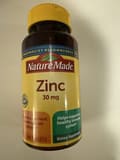 Zinc Nature Made Score 98 out of 100 Excellent
 -
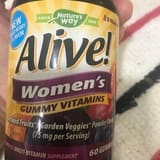 Alive Women's Gummy Vitamins Nature's Way Contains added sugarsContains seed oils Score 86 out of 100 Excellent
More from Kirkland Signature
Sources
-
EFSA issues new advice on phosphates
“We estimated that dietary exposure to phosphates may exceed the new ADI for infants, toddlers and children with average consumption of phosphates in their diet.”
efsa.europa.eu