Vitamin supplements
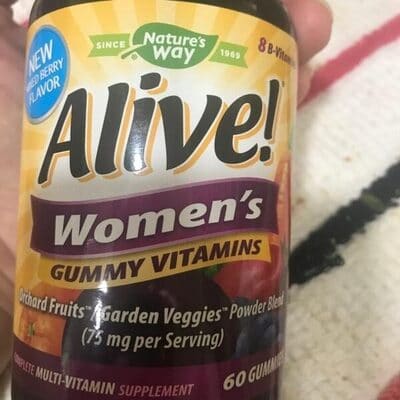
Nature's Way Alive Women's Gummy Vitamins
Score
- Contains added sugars
- Contains seed oils
Why it scores 86
Nature's Way Alive Women's Gummy Vitamins scores 86 out of 100 (Excellent) under GoodSwap’s published rules. What moved the score most:
- minus 12 points Sugar: An added sugar. Strong
- minus 1 points Pectin: An ingredient class typical of ultra-processed foods (NOVA group 4). Info
- minus 1 points Natural flavors: "Natural flavor" is a legal category (21 CFR 101.22(a)(3)): flavor substances from spices, fruits, vegetables, meat, dairy or fermentation. Info
Every line of the math is on The Receipt below, with its evidence tier and sources.
The Receipt
Alive Women's Gummy Vitamins
Ingredients
- Sugar minus 12 points
- Pectin minus 1 points
- Natural flavors minus 1 points
- Vegetable oil (unspecified) minus 0.5 points
100 − 14.5 = 85.5 → 86
Nutrition per 100 g
| Added sugars | 0.3 g |
|---|
Ingredients
- mendation: adults chew 2 gummies daily. supplement facts amnt per 2 gurmmies pan enic acid (cam-d-partothenahe calci (as tricalcium 100 mg phosphate) phosphorus (from 2%t tricalcium phosphate) *lodie (as passium lodide) 25mg 0% ening size 2 gummies stnvings per container 30 anount per 2 gummies 25 6g % dv 46 mg ine carbobydrate total sugars holudes 4g added sugars aories 4g 150 mcg 100% 8%f zinc (as zinc citrate) 50% sodium 25mg 2% 20mg < 450 mcg s retiny palmitate) teamin c(ascorbic acid) 30 mg mamin d 9scholcacfrl) ianin elas dl-alpha 15 mg tophery acetate) mamin vitamin b1) 300 mcg didtain vitamin b2) 330 mcg nain las nacinamide) 4 mg anin 86 as pyridoxine 3 mg hdrochioride) foate 33% orchard fruits &garden 75 mg feggies powder blend: orange (not recognized)
- blueberry
- carrot
- pomegranate
- plum
- straw - berry (not recognized)
- pear
- apple
- beet
- raspberry
- cherry
- pineapple
- pumpkin
- cauliflower
- grape
- açaí
- asparagus
- banena (not recognized)
- broccoli
- brussels sprout (not recognized)
- cabbage
- cranberry
- qucumber (not recognized)
- pea
- spinach
- tomato 667 mcg dfe 167% boron (as sodium borate) 150 meg euitb twm 40 mcg 200% 100% stomec 25% 25% 25% 176% (400mcg folic acid anin b12 opanocobalamin) bodin inositol 40 meg 9 mcg 375% tpercent daily values (dv) are based on a 2,000 calorie diet *daily value not oher hgedents: glucose syrup (not recognized)
- sucrose (high concern)
- pectin
- citric acid
- sodium citrate
- rut an 37.5 mcg 125% lestablished. epele uice color (not recognized)
- natural flavor
- vegetable oil (palm and coconut)
- carmauba wax 0 et distri (not recognized)
Label text, as published
mendation: adults chew 2 gummies daily. supplement facts amnt per 2 gurmmies pan enic acid (cam-d-partothenahe calci (as tricalcium 100 mg phosphate) phosphorus (from 2%t tricalcium phosphate) *lodie (as passium lodide) 25mg 0% ening size 2 gummies stnvings per container 30 anount per 2 gummies 25 6g % dv 46 mg ine carbobydrate total sugars holudes 4g added sugars aories 4g 150 mcg 100% 8%f zinc (as zinc citrate) 50% sodium 25mg 2% 20mg < 450 mcg s retiny palmitate) teamin c(ascorbic acid) 30 mg mamin d 9scholcacfrl) ianin elas dl-alpha 15 mg tophery acetate) mamin vitamin b1) 300 mcg didtain vitamin b2) 330 mcg nain las nacinamide) 4 mg anin 86 as pyridoxine 3 mg hdrochioride) foate 33% orchard fruits &garden 75 mg feggies powder blend: orange, blueberry, carrot, pomegranate, plum, straw - berry, pear, apple, beet, raspberry, cherry, pineapple, pumpkin, cauliflower, grape, açaí, asparagus, banena, broccoli, brussels sprout, cabbage, cranberry, qucumber, pea, spinach, tomato 667 mcg dfe 167% boron (as sodium borate) 150 meg euitb twm 40 mcg 200% 100% stomec 25% 25% 25% 176% (400mcg folic acid anin b12 opanocobalamin) bodin inositol 40 meg 9 mcg 375% tpercent daily values (dv) are based on a 2,000 calorie diet *daily value not oher hgedents: glucose syrup, sucrose, pectin, citric acid, sodium citrate, rut an 37.5 mcg 125% lestablished. epele uice color, natural flavor, vegetable oil (palm and coconut), carmauba wax 0 et distri
Allergens and diets
- Not palm-oil-free
Always check the package: recipes change.
More vitamin supplements on GoodSwap
-
 Magnesium, Tablets Nature's Bounty · 500 mg Seed-oil free Score 99 out of 100 Excellent
 -
 Greens & Superfoods Bloom Score 99 out of 100 Excellent
 -
 Calcium Supplements - Kirkland Kirkland Costco Seed-oil free Score 97 out of 100 Excellent
 -
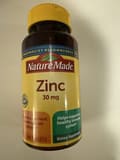 Zinc Nature Made Score 98 out of 100 Excellent
 -
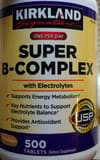 Kirkland Signature One Per Day Super B-complex With Electrolytes,500 Tablets Kirkland Signature · 500 tablets Score 97 out of 100 Excellent
More from Nature's Way
Sources
-
Guideline: sugars intake for adults and children
“In both adults and children, WHO recommends reducing the intake of free sugars to less than 10% of total energy intake”
who.int
-
Dietary Guidelines for Americans, 2025–2030
“Limit foods and beverages that include artificial flavors, petroleum-based dyes, artificial preservatives, and low-calorie non-nutritive sweeteners.”
cdn.realfood.gov
-
Added and free sugars should be as low as possible
“Sugar consumption is a known cause of dental caries.”
efsa.europa.eu
-
21 CFR 101.22 Foods; labeling of spices, flavorings, colorings and chemical preservatives
“whose significant function in food is flavoring rather than nutritional.”
ecfr.gov
-
“replacement of saturated fat in the diet with linoleic acid effectively lowers serum cholesterol but does not support the hypothesis that this translates to a lower risk of death from coronary heart disease or all causes.”
doi.org
-
“These data provide support for current recommendations to replace saturated fat with polyunsaturated fat for primary prevention of CHD.”
doi.org