Dietary supplements
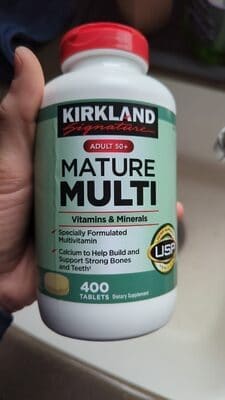
Kirkland Mature Multi Vitamins & Minerals
400 tablets
Score
- May contain traces of 1,4-dioxane
- No synthetic dyes
Why it scores 95
Kirkland Mature Multi Vitamins & Minerals scores 95 out of 100 (Excellent) under GoodSwap’s published rules. What moved the score most:
- minus 1 points Calcium phosphate: EFSA (2019) set a group ADI for phosphates of 40 mg/kg body weight (as phosphorus) and noted that infants, toddlers and children may exceed it. Strong
- minus 1 points Microcrystalline cellulose: An ingredient class typical of ultra-processed foods (NOVA group 4). Info
- minus 1 points Modified starch: An additive class typical of ultra-processed foods (NOVA group 4). Info
Every line of the math is on The Receipt below, with its evidence tier and sources.
The Receipt
Mature Multi Vitamins & Minerals
Ingredients
- Calcium phosphate minus 1 points
- Microcrystalline cellulose minus 1 points
- Modified starch minus 1 points
- Hydroxypropyl methylcellulose minus 0.5 points
- Silicon dioxide minus 0.5 points
- Polyethylene glycols (PEG) and ethoxylates minus 0.5 points
- Borax and borates minus 0.5 points
100 − 5 = 95
Nutrition per 100 g
| Energy | 0 kcal |
|---|---|
| Fat | 0 g |
| Carbohydrates | 0 g |
| Protein | 0 g |
Serving: 1.0g
Ingredients
- Calcium Carbonate
- Dibasic Calcium Phosphate
- Potassium Chloride
- Cellulose Gel
- sortic Acid (not recognized)
- Magnesium Oxide
- Modified Food Starch
- di - Alpha Tocopheryl Acetate
- Niacinamide
- Matodertrin (not recognized)
- Zinc Oxide
- d-Calcium Pantothenate
- Hypromellose
- Manganese Sulfate
- Croscarmellose Sodim (not recognized)
- Magnesium Stearate
- Silicon Dioxide
- Pyridoxine Hydrochloride
- Copper Sulfate
- Gelatin (Porcine)
- Thiamin Monontrate
- Beta Carotene
- Riboflavin
- Polyethylene Glycol
- Sodium Borate
- Folic Acid
- Boric Acid
- Lopene (not recognized)
- Chronium Picolinate (not recognized)
- Lutein
- Potassium lodide
- Sodium Selenate
- Sodium Molybdate
- Vitamin D3 (Cholecalciferol, Cyanocobalamin, Phytonadione, Biotin, Sodium Metavanadate)
Label text, as published
Calcium Carbonate, Dibasic Calcium Phosphate, Potassium Chloride, Cellulose Gel, sortic Acid, Magnesium Oxide, Modified Food Starch, di - Alpha Tocopheryl Acetate, Niacinamide, Matodertrin, Zinc Oxide, d-Calcium Pantothenate, Hypromellose, Manganese Sulfate, Croscarmellose Sodim, Magnesium Stearate, Silicon Dioxide, Pyridoxine Hydrochloride, Copper Sulfate, Gelatin (Porcine), Thiamin Monontrate, Beta Carotene, Riboflavin, Polyethylene Glycol, Sodium Borate, Folic Acid, Boric Acid, Lopene, Chronium Picolinate, Lutein, Potassium lodide, Sodium Selenate, Sodium Molybdate, Vitamin D3 (Cholecalciferol, Cyanocobalamin, Phytonadione, Biotin, Sodium Metavanadate.
Allergens and diets
- Not vegan
- Not vegetarian
Always check the package: recipes change.
More dietary supplements on GoodSwap
-
 Organic Supergreens Fruits & Vegetables Zena Greens Contains non-nutritive sweetenersContains caffeineCertified organicContains whole grains Score 95 out of 100 Excellent
 -
 Super Orange Flavored Fizzy Drink Mix Emergen-C · 9.1 g Contains added sugarsNo synthetic dyes Score 86 out of 100 Excellent
 -
 Greens and superfoods Bloom · 10.24 oz Contains non-nutritive sweetenersContains caffeineContains whole grains Score 97 out of 100 Excellent
 -
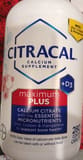 Citracal Citracal · 280 May contain traces of 1,4-dioxane Score 97 out of 100 Excellent
 -
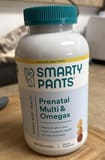 Prenatal Multi & Omegas Smarty Pants Seed-oil free Score 100 out of 100 Excellent
 -
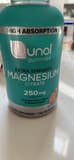 Magnesium Citrate Gummies Qunol Contains added sugarsNo synthetic dyes Score 74 out of 100 Good
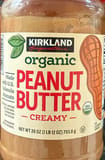
More from Kirkland
Sources
-
EFSA issues new advice on phosphates
“We estimated that dietary exposure to phosphates may exceed the new ADI for infants, toddlers and children with average consumption of phosphates in their diet.”
efsa.europa.eu
-
1,4-Dioxane in Cosmetics: A Manufacturing Byproduct
“1,4-dioxane forms as a byproduct during the manufacturing process of certain cosmetic ingredients.”
fda.gov
-
Agents Classified by the IARC Monographs, Volumes 1–142 (List of Classifications)
monographs.iarc.who.int
-
Regulation (EC) No 1223/2009 of 30 November 2009 on cosmetic products
“cosmetic products shall not contain any of the following: (a) prohibited substances — prohibited substances listed in Annex II”
eur-lex.europa.eu