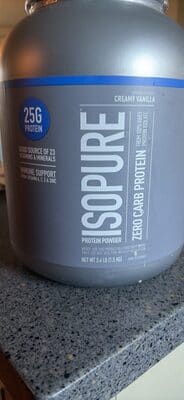
Protein powders
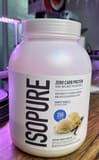
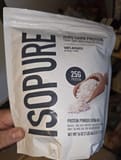
Isopure Protein Powder
Score
- Contains non-nutritive sweeteners
- Contains artificial flavors
Why it scores 92
Isopure Protein Powder scores 92 out of 100 (Excellent) under GoodSwap’s published rules. What moved the score most:
- minus 5 points Sucralose: In a 2022 randomized study, sucralose and saccharin altered the gut microbiome and impaired glucose responses in some people; a 2023 lab study raised questions about its by-product sucralose-6-acetate. Strong
- minus 1 points Calcium phosphate: EFSA (2019) set a group ADI for phosphates of 40 mg/kg body weight (as phosphorus) and noted that infants, toddlers and children may exceed it. Strong
- minus 1 points Silicon dioxide: An additive class typical of ultra-processed foods (NOVA group 4). Info
Every line of the math is on The Receipt below, with its evidence tier and sources.
The Receipt
Protein Powder
Ingredients
- Sucralose minus 5 points
- Calcium phosphate minus 1 points
- Silicon dioxide minus 1 points
- Soy lecithin minus 0.5 points
- Natural and artificial flavors minus 0.5 points
- Xanthan gum minus 0.5 points
100 − 8.5 = 91.5 → 92
Nutrition per 100 g
| Energy | 323 kcal |
|---|---|
| Fat | 0 g |
| Carbohydrates | 0 g |
| Sugars | 0 g |
| Added sugars | 0 g |
| Protein | 80.6 g |
| Salt | 1.9 g |
Serving: 1 scoop (31 g)
Ingredients
- 90% 40% Not a significant source of saturated fat (not recognized)
- trans fat (not recognized)
- dietary fiber
- vitamin D and iron 15% *The %
- a day is used for general nutrition advice Whey Protein Isolate Vitamin and Minerd Pend (Dicalcium Phosphate, Potassium Chloride Magnesium Dide, Ascorbic Acid, Vitamin E Acetate, Line Sula, in, i inanite, Silicon Dioxide, Calcium D-Pantothenate, Vitamin Acetate Cope: Sulfate, Manganese Sulfate, Pyridoxine Hydrochloride, Thiamine Hydrochloride, Potassium lodide, Riboflavin, Phylloquine, Sodium Selenite, Cyanocobalamin, Chromium Chloride, Folic Acid, Sodium Molybdate) (not recognized)
- Soy Lecithin
- Natural and Artificial Flavor
- Salt
- Sucralose (moderate concern)
- Xanthan Gum
Label text, as published
Nutrition Facts About 50 servings per container Serving size 31g (About 1 Scoop) Amount per serving Calories 100 Total Fat 0g Cholesterol 10mg Sodium 240mg Total Carbohydrate 0g Total Sugars 0g Includes 0g Added Sugars Protein 25g % Daily Value** 0% 3% 10% 0% 0% 50% Calcium 370mg 30% Potassium 430mg 10% Vitamin A 370mcg 40% Vitamin C 15mg 15% Vitamin E 5mg 35% Vitamin K 20mcg 15% Thiamin 038mg 30% Riboflavin 043mg Niacin 5mg 35% Vitamin B6 05mg 30% Folate 165mcg DFE (100mcg folic acid) 30% Vitamin B12 243mcg 40% Biotin 75mcg 100% Pantothenic Acid 25mg 250% Phosphorus 280mg 50% lodine 37mcg 20% Magnesium 105mg 25% Zinc 4mg Selenium 17 mcg 25% 35% Copper 054mg Manganese 05mg 30% Chromium 30mcg 60% Molybdenum 185mcg 20% Chloride 390mg 90% 40% Not a significant source of saturated fat, trans fat, dietary fiber, vitamin D and iron 15% *The % Daily Value tells you how much a nutrient in a sering of food contributes to a daily diet 2,000 calories a day is used for general nutrition advice Whey Protein Isolate Vitamin and Minerd Pend (Dicalcium Phosphate, Potassium Chloride Magnesium Dide, Ascorbic Acid, Vitamin E Acetate, Line Sula, in, i inanite, Silicon Dioxide, Calcium D-Pantothenate, Vitamin Acetate Cope: Sulfate, Manganese Sulfate, Pyridoxine Hydrochloride, Thiamine Hydrochloride, Potassium lodide, Riboflavin, Phylloquine, Sodium Selenite, Cyanocobalamin, Chromium Chloride, Folic Acid, Sodium Molybdate), Soy Lecithin, Natural and Artificial Flavor, Salt, Sucralose, Xanthan Gum Contains: Milk and Soy Manufactured By: The Isopure Company, LLC 3500 Lacey Road, Site 1200, Downers Grove, IL 60515 Call us at 1-877-309-329 Visit us at theisopurecompanycom Keep in a cool, dry place Manufactured in the USA This product contains of international and domestic origin Why Use: To support muscle building* and recovery To help meet your day protein intake goals When to Use: First thing in the morning, before or after exercise, anytime Directions: For a rich, thick shake, mix 31g (about cop it 6-8 or of water in a shaker or blender If a shaker or blender is not convenient, ISOPURE® ZERO CARB can be stirred into solution with a spoon Suggested Use: For healthy adults, consume enough protein to meet your daily protein requirement with a combination of high protein foods and protein supplements throughout the day as part of a balanced diet and exerse program Quality Commitment: ISOPURE® products are manufactured in accordance with Good Manufacturing Practice MP establishedy he US Food and Drug Administration FDA) To assure the highest quality and food safety standards, and adhere to label claims, ISOPURE® products are tested by our Quality Assurance team laboratories *When taken over time with regular resistance training AT TIME OF FILL CONTENTS SOLD BY WEIGHT NOT VOLUME SETTLING WILL OCCUR PLASTIC TUB
Allergens and diets
Contains: Milk, Soy
Always check the package: recipes change.
More protein powders on GoodSwap
-
 Organic Protein Orgain · 43.2 oz (2.7 lb) 1.22 kg Contains non-nutritive sweetenersContains sugar alcoholsContains seed oilsCertified organic Score 89 out of 100 Excellent
 -
 Organic Protein Orgain · 1.2 kg Contains non-nutritive sweetenersContains sugar alcoholsContains seed oilsCertified organic Score 89 out of 100 Excellent
 -
 Protein powder Optimum Nutrition · 80 × 31 g Contains non-nutritive sweetenersContains emulsifiers studied for gut effectsContains artificial flavors Score 83 out of 100 Excellent
 -
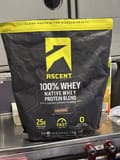 100% Whey Native Whey Protein Blend Ascent Contains non-nutritive sweeteners Score 97 out of 100 Excellent
 -
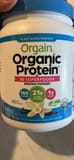 Organic Protein Protein Powder Orgain · 1.12 lb (510 g) Ultra-processedContains non-nutritive sweetenersContains sugar alcoholsContains seed oils Score 58 out of 100 Okay
 -
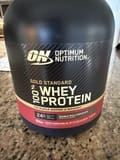 100% Whey Gold Standard Optimum Nutrition · 5 lb (2.27 kg) Contains non-nutritive sweetenersContains artificial flavors Score 92 out of 100 Excellent
More from Isopure
Sources
-
Personalized microbiome-driven effects of non-nutritive sweeteners on human glucose tolerance
“As groups, each administered NNS distinctly altered stool and oral microbiome and plasma metabolome, whereas saccharin and sucralose significantly impaired glycemic responses.”
doi.org
-
“Sucralose-6-acetate significantly increased the expression of genes associated with inflammation, oxidative stress, and cancer”
doi.org
-
“EFSA’s experts concluded that the sweetener sucralose (E 955) continues to be safe for consumers for its currently authorised uses as a food additive.”
efsa.europa.eu
-
WHO advises not to use non-sugar sweeteners for weight control in newly released guideline
“The recommendation is based on the findings of a systematic review of the available evidence which suggests that use of NSS does not confer any long-term benefit in reducing body fat in adults or children.”
who.int
-
Dietary Guidelines for Americans, 2025–2030
“Limit foods and beverages that include artificial flavors, petroleum-based dyes, artificial preservatives, and low-calorie non-nutritive sweeteners.”
cdn.realfood.gov
-
EFSA issues new advice on phosphates
“We estimated that dietary exposure to phosphates may exceed the new ADI for infants, toddlers and children with average consumption of phosphates in their diet.”
efsa.europa.eu
-
21 CFR 101.22 Foods; labeling of spices, flavorings, colorings and chemical preservatives
“whose significant function in food is flavoring rather than nutritional.”
ecfr.gov