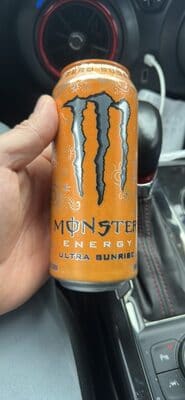
Sodas
Monster Energy Ultra Sunrise
16 oz
Score
- Dye with an EU warning label
- Contains synthetic dyes
- Ultra-processed
- Contains non-nutritive sweeteners
- Contains sugar alcohols
- Contains caffeine
Why it scores 28
Monster Energy Ultra Sunrise scores 28 out of 100 (Poor) under GoodSwap’s published rules. What moved the score most:
- minus 20 points Yellow 5: In the EU and UK, foods with this color must state that it "may have an adverse effect on activity and attention in children". Regulatory
- minus 20 points Yellow 6: In the EU and UK, foods with this color must state that it "may have an adverse effect on activity and attention in children". Regulatory
- minus 18 points Ultra-processed (NOVA 4): Classified NOVA 4: made with industrial ingredients and additives. Strong
Every line of the math is on The Receipt below, with its evidence tier and sources.
Better energy drinks
-
 Yerbaé sandia y fresa Yerbae · 16 fl oz/473 mL No EU warning-label dyes · No synthetic dyes Score 73 out of 100 , 45 points higher
 -
 Blueberry Pomegranate Sugar Free Energy Drink Uptime No EU warning-label dyes · No synthetic dyes Score 80 out of 100 , 52 points higher
 -
 Black Cherry Yerbae · 16 fl oz/473 mL No EU warning-label dyes · No synthetic dyes Score 73 out of 100 , 45 points higher
 -
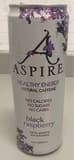 Aspire No EU warning-label dyes · No synthetic dyes Score 72 out of 100 , 44 points higher
 -
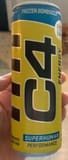 C4 energy frozen bombsiclen C4 · 12 fl oz/355 mL No EU warning-label dyes · No synthetic dyes Score 80 out of 100 , 52 points higher
The same kind of product, at least 10 points higher, sold in the US. Never paid placements.
The Receipt
Ultra Sunrise
Ingredients
- Yellow 5 minus 20 points
- Yellow 6 minus 20 points
- Erythritol minus 7.5 points
- Sucralose minus 2.5 points
Processing
- Ultra-processed (NOVA 4) minus 18 points
- 4 kinds of ultra-processing markers minus 4.5 points
100 − 72.5 = 27.5 → 28
Can’t score above 79. Contains Yellow 5, an ingredient of high concern. [1][2][3][4][5][6]
Nutrition per 100 ml
| Energy | 0 kcal |
|---|---|
| Fat | 0 g |
| Saturated fat | 0 g |
| Carbohydrates | 0.8 g |
| Sugars | 0 g |
| Added sugars | 0 g |
| Protein | 0 g |
| Salt | 0.1 g |
Serving: 1 can (16 fl oz)
Ingredients
- CARBONATED WATER
- NATURAL FLAVORS
- ERYTHRITOL (moderate concern)
- LEMON PULP
- CITRIC ACID
- TAURINE
- SODIUM CITRATE
- PANAX GINSENG EXTRACT
- L-CARNITINE L-TARTRATE
- POTASSIUM SORBATE (PRESERVATIVE)
- CAFFEINE
- SUCRALOSE (moderate concern)
- SODIUM BENZOATE (PRESERVATIVE) (moderate concern)
- NIACINAMIDE (VIT. B3)
- ACESULFAME POTASSIUM (moderate concern)
- D-CALCIUM PANTOTHENATE (VIT. B5)
- SALT
- GUARANA EXTRACT
- D-GLUCURONOLACTONE
- INOSITOL
- PYRIDOXINE HYDROCHLORIDE (VIT. B6)
- YELLOW #5 (high concern)
- YELLOW #6 (high concern)
- CYANOCOBALAMIN (VIT. B12)
Label text, as published
CARBONATED WATER, NATURAL FLAVORS, ERYTHRITOL, LEMON PULP, CITRIC ACID, TAURINE, SODIUM CITRATE, PANAX GINSENG EXTRACT, L-CARNITINE L-TARTRATE, POTASSIUM SORBATE (PRESERVATIVE), CAFFEINE, SUCRALOSE, SODIUM BENZOATE (PRESERVATIVE), NIACINAMIDE (VIT. B3), ACESULFAME POTASSIUM, D-CALCIUM PANTOTHENATE (VIT. B5), SALT, GUARANA EXTRACT, D-GLUCURONOLACTONE, INOSITOL, PYRIDOXINE HYDROCHLORIDE (VIT. B6), YELLOW #5, YELLOW #6, CYANOCOBALAMIN (VIT. B12).
Allergens and diets
- Palm-oil-free
Always check the package: recipes change.
More sodas on GoodSwap
-
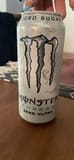 Zero Ultra Monster Energy · 1 can (16 oz) Ultra-processedContains non-nutritive sweetenersContains sugar alcoholsContains caffeine Score 51 out of 100 Okay
 -
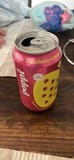 Strawberry Lemonade Prebiotic Soda Poppi · 355 mL / 12 oz Ultra-processedContains non-nutritive sweetenersContains added sugars Score 49 out of 100 Okay
 -
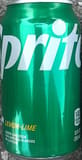 Soda Lemon-lime Sprite · 12 fl oz (355 mL) Ultra-processedContains added sugars Score 34 out of 100 Poor
 -
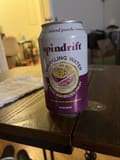 Island Punch Sparkling Water Spindrift · 355 mL Score 88 out of 100 Excellent
 -
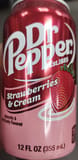 Strawberries & Cream Dr Pepper · 12 Ultra-processedContains added sugarsContains caffeineContains artificial flavors Score 12 out of 100 Bad
 -
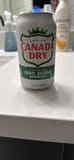 Ginger Ale Canada Dry · 355 mL Ultra-processedContains non-nutritive sweetenersNo synthetic dyes Score 28 out of 100 Poor
More from Monster Energy
Sources
-
Regulation (EC) No 1333/2008 of 16 December 2008 on food additives
“may have an adverse effect on activity and attention in children.”
eur-lex.europa.eu
-
“may have an adverse effect on activity and attention in children.”
legislation.gov.uk
-
“Artificial colours or a sodium benzoate preservative (or both) in the diet result in increased hyperactivity in 3-year-old and 8/9-year-old children in the general population.”
doi.org
-
Tracking Food Industry Pledges to Remove Petroleum Based Food Dyes
“FD&C Green No. 3, FD&C Red No. 40, FD&C Yellow No. 5, FD&C Yellow No. 6, FD&C Blue No. 1, and FD&C Blue No. 2—by the end of 2027.”
fda.gov
-
California AB 2316 (2024), Pupil nutrition: substances: prohibition
“beginning December 31, 2027, would prohibit a school district, county superintendent of schools, or charter school”
leginfo.legislature.ca.gov
-
21 CFR 74.705 FD&C Yellow No. 5
“shall specifically declare the presence of FD&C Yellow No. 5 by listing the color additive as FD&C Yellow No. 5 among the list of ingredients.”
ecfr.gov
-
The artificial sweetener erythritol and cardiovascular event risk
“Our findings reveal that erythritol is both associated with incident MACE risk and fosters enhanced thrombosis. Studies assessing the long-term safety of erythritol are warranted.”
doi.org
-
Re-evaluation of erythritol (E 968) as a food additive (plain language summary)
“In all groups of people, both acute and chronic exposure to erythritol is above the newly set ADI.”
efsa.europa.eu
-
Personalized microbiome-driven effects of non-nutritive sweeteners on human glucose tolerance
“As groups, each administered NNS distinctly altered stool and oral microbiome and plasma metabolome, whereas saccharin and sucralose significantly impaired glycemic responses.”
doi.org
-
“Sucralose-6-acetate significantly increased the expression of genes associated with inflammation, oxidative stress, and cancer”
doi.org
-
“EFSA’s experts concluded that the sweetener sucralose (E 955) continues to be safe for consumers for its currently authorised uses as a food additive.”
efsa.europa.eu
-
WHO advises not to use non-sugar sweeteners for weight control in newly released guideline
“The recommendation is based on the findings of a systematic review of the available evidence which suggests that use of NSS does not confer any long-term benefit in reducing body fat in adults or children.”
who.int
-
Dietary Guidelines for Americans, 2025–2030
“Limit foods and beverages that include artificial flavors, petroleum-based dyes, artificial preservatives, and low-calorie non-nutritive sweeteners.”
cdn.realfood.gov
-
HHS, FDA to Phase Out Petroleum-Based Synthetic Dyes in Nation’s Food Supply (press release)
“Initiating the process to revoke authorization for two synthetic food colorings—Citrus Red No. 2 and Orange B—within the coming months.”
fda.gov
-
“Greater exposure to ultra-processed food was associated with a higher risk of adverse health outcomes, especially cardiometabolic, common mental disorder, and mortality outcomes.”
doi.org
-
Regulation (EU) No 1169/2011, Annex III point 2.4 (foods with more than 10 % added polyols)
“‘excessive consumption may produce laxative effects’.”
eur-lex.europa.eu
-
Spilling the Beans: How Much Caffeine is Too Much?
“For most adults, the FDA has cited 400 milligrams* a day — that's about two to three 12-fluid-ounce cups of coffee — as an amount not generally associated with negative effects.”
fda.gov
-
Regulation (EU) No 1169/2011, Annex III point 4.1 (beverages with high caffeine content)
“‘High caffeine content. Not recommended for children or pregnant or breast-feeding women’”
eur-lex.europa.eu