Food additive · Sweetener
Acesulfame potassium (Ace-K)
- E-number
- E950
- CAS
- 55589-62-3
A high-intensity sweetener about 200 times sweeter than sugar, usually blended with aspartame or sucralose.
- Food additive
- Non-nutritive sweetener
- Ultra-processing marker
- Expert review pending
Concern level
Strong evidence of harm at high intake, emerging evidence of harm, or a common allergen or irritant. The concern level sets how many points acesulfame potassium (Ace-K) costs on a product’s receipt.
What the evidence says
-
Heart or metabolic health (emerging)Emerging evidence
In the NutriNet-Santé cohort, acesulfame-K intake was associated with higher cancer risk; cause and effect is not established. [1]
-
Low concernStrong evidence
EFSA (2025) set an acceptable daily intake of 15 mg/kg body weight and found exposure generally below it. [2]
-
Heart or metabolic health (emerging)Emerging evidence
WHO (2023) recommends against using non-sugar sweeteners to control body weight (conditional recommendation); US dietary guidelines advise limiting them. [3][4]
Evidence tiers say how sure the evidence is, separately from how much it matters. About evidence tiers.
Rules around the world
| Where | Status | Details | Date | Source |
|---|---|---|---|---|
| United States | Permitted | Permitted as a sweetener (21 CFR 172.800). | — | [5] |
| European Union | Permitted | Permitted (E 950); re-evaluated by EFSA in 2025. | — | [2] |
| Canada | Permitted | On Health Canada's List of Permitted Sweeteners. | — | [6] |
“Banned” means explicitly prohibited or withdrawn after review; “not permitted” means never authorized there. We use each regulator’s own words.
Popular products that list acesulfame potassium (Ace-K)
487 of the 17,000 most-scanned products in the US with a GoodSwap page list acesulfame potassium (Ace-K). The 12 most scanned:
-
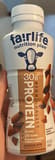 High Quality Protein Fairlife · 11.5 fl oz (340 mL) Score 84 out of 100 Excellent
 -
 Core Power High Protein Milk Shake Chocolate Fairlife · 14 oz Score 46 out of 100 Okay
 -
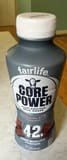 CORE POWER High Protein Milk Shake Chocolate Rlife · 414 mL Score 51 out of 100 Okay
 -
 Coca-Cola Zero Sugar Coca-Cola · 355 mL Score 29 out of 100 Poor
 -
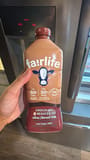 Chocolate Reduced Fat Ultra-filtered Milk Fairlife · 52 fl oz Score 30 out of 100 Poor
 -
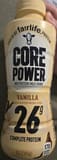 High Protein Milkshake Vanilla Core Power · 14 oz Score 81 out of 100 Excellent
 -
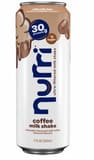 Nufri Chocolate Milk Shake Nurri Score 56 out of 100 Okay
 -
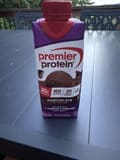 Chocolate Shake Premier Protein · 11 fl oz (325 mL) Score 81 out of 100 Excellent
 -
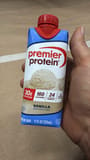 Premier Protein Vanilla Shake Premier Protein · 11 oz Score 40 out of 100 Okay
 -
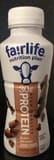 Fairlife protein drink Fairlife · 6.12 L/340 mL Score 49 out of 100 Okay
 -
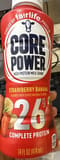 High Protein Milk Shake fa!rlife CORE POWER · 14 fl oz/414 mL Score 49 out of 100 Okay
 -
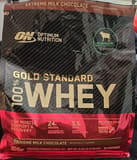 Gold Standard 100% Whey Extreme Milk Chocolate Optimum Nutrition · 5.64 lb/2.56 kg Score 45 out of 100 Okay
Diets and allergens
- Vegan
- Yes
- Vegetarian
- Yes
- Gluten-free
- Yes
For the ingredient in general. Always check the package: a product’s own labels win.
Names GoodSwap recognizes on labels (24)
- e950
- ace k
- acesulfame
- acesulfame k
- acesulphame k
- sweetener e950
- acesulfame potassium
- acesulfame potassique
- acesulphame potassium
- acesulfame k sweetener
- sweetener acesulfame k
- acesulfame de potassium
- sweeteners acesulfame k
- acesulfame k and aspartame
- acesulfame k and sucralose
- acesulfame potassium ace k
- acesulfame potassium sucralose
- acesulfame potassium sweetener
- sweetener acesulfame potassium
- acesulfame potassium and aspartame
- acesulfame potassium and sucralose
- acesulfame potassium an artificial sweetener
- acesulfame potassium non nutritive sweetener
- acesulfame potassium a non nutritive sweetener
Sources
-
Artificial sweeteners and cancer risk: Results from the NutriNet-Santé population-based cohort study
“In this large cohort study, artificial sweeteners (especially aspartame and acesulfame-K), which are used in many food and beverage brands worldwide, were associated with increased cancer risk.”
doi.org
-
Re-evaluation of acesulfame K (E 950) as food additive (plain language summary)
“The acceptable daily intake (ADI) considered safe for all population groups was set at 15 mg/kg body weight (bw) per day.”
efsa.europa.eu
-
WHO advises not to use non-sugar sweeteners for weight control in newly released guideline
“The recommendation is based on the findings of a systematic review of the available evidence which suggests that use of NSS does not confer any long-term benefit in reducing body fat in adults or children.”
who.int
-
Dietary Guidelines for Americans, 2025–2030
“Limit foods and beverages that include artificial flavors, petroleum-based dyes, artificial preservatives, and low-calorie non-nutritive sweeteners.”
cdn.realfood.gov
-
21 CFR 172.800 Acesulfame potassium
ecfr.gov
-
9. List of Permitted Sweeteners (Lists of Permitted Food Additives)
“A.3 Aspartame n/a (a) Breakfast cereals (a) Sweetener (a) 5,000 ppm n/a”
canada.ca