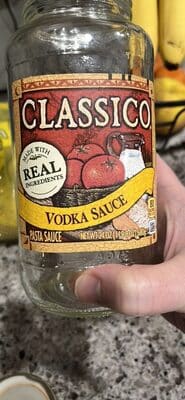
Condiments
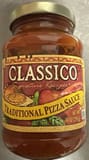
Classico Vodka Sauce Pasta Sauce
125 g
Score
- Contains added sugars
- Seed-oil free
Why it scores 59
Classico Vodka Sauce Pasta Sauce scores 59 out of 100 (Okay) under GoodSwap’s published rules. What moved the score most:
- minus 20 points Sugar: An added sugar. Strong
- minus 8 points Processed (NOVA 3): Classified NOVA 3: processed with added salt, sugar or oil. Emerging
- minus 3 points Salt 0.9 g / 100 g: High in salt. Strong
Every line of the math is on The Receipt below, with its evidence tier and sources.
Better pasta sauces
-
 Organic Pasta Sauce Vodka & Cream Sonoma Gourmet · 25 oz No added sugars · No sugar Score 96 out of 100 , 37 points higher
 -
 Tomato Vodka Pasta Sauce Heinz · 350 g No added sugars · No sugar Score 93 out of 100 , 34 points higher
 -
 Vodka Sauce Rao's Homemade · 32 oz No added sugars · No sugar Score 86 out of 100 , 27 points higher
 -
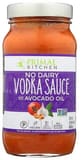 Vodka Sauce Primal Kitchen · 23.5 oz/667 g No added sugars · No sugar Score 85 out of 100 , 26 points higher
 -
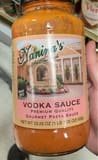 Naninas Vodka Sauce Nanina's · 23.25 oz No added sugars · No sugar Score 94 out of 100 , 35 points higher
The same kind of product, at least 10 points higher, sold in the US. Never paid placements.
The Receipt
Vodka Sauce Pasta Sauce
Ingredients
- Sugar minus 20 points
- Calcium chloride minus 2.5 points
- Gum arabic (acacia) minus 2.5 points
- Xanthan gum minus 1.5 points
- Spirits minus 1.5 points
- Sodium phosphate minus 1.5 points
Processing
- Processed (NOVA 3) minus 8 points
Nutrition per 100 g
- Saturated fat 1.2 g / 100 g minus 1 points
- Salt 0.9 g / 100 g minus 3 points
100 − 41.5 = 58.5 → 59
Can’t score above 79. Contains sugar, an ingredient of high concern. [1][2][3]
Nutrition per 100 g
| Energy | 64 kcal |
|---|---|
| Fat | 2.8 g |
| Saturated fat | 1.2 g |
| Trans fat | 0 g |
| Carbohydrates | 7.2 g |
| Sugars | 4 g |
| Added sugars | 0.8 g |
| Fiber | 1.6 g |
| Protein | 1.6 g |
| Salt | 0.9 g |
Serving: 0.5 cup (125 g)
Ingredients
- TOMATO PUREE (WATER, TOMATO PASTE)
- TOMATOES IN JUICE (TOMATOES, TOMATO JUICE, CITRIC ACID, CALCIUM CHLORIDE)
- LIGHT CREAM (CREAM [FROM MILK], GUM ARABIC, XANTHAN GUM)
- VODKA
- WATER
- SUGAR (high concern)
- MILK
- PARMESAN CHEESE (CULTURED PART-SKIM MILK, SALT, ENZYMES)
- SALT
- OLIVE OIL
- ONIONS
- BASIL
- GARLIC
- MINCED GARLIC (WATER, DRIED GARLIC, CITRIC ACID)
- XANTHAN GUM
- LACTIC ACID
- SPICES
- BUTTER (CREAM, SALT)
- SODIUM PHOSPHATE
- CHEESE CULTURE
- ENZYMES
Label text, as published
TOMATO PUREE (WATER, TOMATO PASTE), TOMATOES IN JUICE (TOMATOES, TOMATO JUICE, CITRIC ACID, CALCIUM CHLORIDE), LIGHT CREAM (CREAM [FROM MILK], GUM ARABIC, XANTHAN GUM), VODKA, CONTAINS LESS THAN 2% OF WATER, SUGAR, MILK, PARMESAN CHEESE (CULTURED PART-SKIM MILK, SALT, ENZYMES), SALT, OLIVE OIL, ONIONS, BASIL, GARLIC, MINCED GARLIC (WATER, DRIED GARLIC, CITRIC ACID), XANTHAN GUM, LACTIC ACID, SPICES, BUTTER (CREAM, SALT), SODIUM PHOSPHATE, CHEESE CULTURE, ENZYMES
Allergens and diets
Contains: Milk
- Not vegan
- Palm-oil-free
Always check the package: recipes change.
More condiments on GoodSwap
-
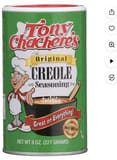 Original Creole Seasoning Tony Chachere's · 227 g Score 87 out of 100 Excellent
 -
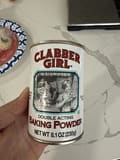 Baking Powder Clabber Girl · 8.1 oz (230 g) High in salt Score 79 out of 100 Good
 -
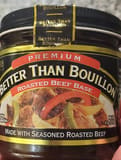 Roasted Beef Base Better Than Bouillon · 8 oz Ultra-processedHigh in saltContains added sugarsContains seed oils Score 8 out of 100 Bad
 -
 Popcorn seasoning parmesan garlic imp Kernel Season's Llc · 2.85 oz/80 g Ultra-processedHigh in saltContains added sugarsContains seed oils Score 18 out of 100 Bad
 - Active Dry Yeast Kroger · 0.4 g No additives Score 100 out of 100 Excellent
- N'Orleans Cajun Seasoning Weber · 5 oz/142 g High in saltNo additives Score 79 out of 100 Good
More from Classico
Sources
-
Guideline: sugars intake for adults and children
“In both adults and children, WHO recommends reducing the intake of free sugars to less than 10% of total energy intake”
who.int
-
Dietary Guidelines for Americans, 2025–2030
“Limit foods and beverages that include artificial flavors, petroleum-based dyes, artificial preservatives, and low-calorie non-nutritive sweeteners.”
cdn.realfood.gov
-
Added and free sugars should be as low as possible
“Sugar consumption is a known cause of dental caries.”
efsa.europa.eu
-
About Alcohol Use During Pregnancy
“There is no known safe amount of alcohol use during pregnancy.”
cdc.gov
-
Agents Classified by the IARC Monographs, Volumes 1–142 (List of Classifications)
monographs.iarc.who.int
-
EFSA issues new advice on phosphates
“We estimated that dietary exposure to phosphates may exceed the new ADI for infants, toddlers and children with average consumption of phosphates in their diet.”
efsa.europa.eu
-
Saturated fatty acid and trans-fatty acid intake for adults and children: WHO guideline
“WHO recommends that adults and children reduce saturated fatty acid intake to 10% of total energy intake (strong recommendation).”
who.int
-
“For adults, WHO recommends less than 2000 mg/day of sodium (equivalent to less than 5 g/day salt), or just under a teaspoon.”
who.int