Meals
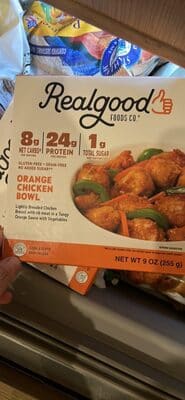
Realgood Orange Chicken Bowl
1 bowl, 255 g
Score
- Ultra-processed
- Contains non-nutritive sweeteners
- Contains sugar alcohols
- Contains seed oils
Why it scores 58
Realgood Orange Chicken Bowl scores 58 out of 100 (Okay) under GoodSwap’s published rules. What moved the score most:
- minus 18 points Ultra-processed (NOVA 4): Classified NOVA 4: made with industrial ingredients and additives. Strong
- minus 7.5 points Erythritol: A 2023 study linked higher blood erythritol to cardiovascular events and found it increased clotting activity; long-term safety studies are warranted. Strong
- minus 4.5 points 4 kinds of ultra-processing markers: Industrial additive classes found: industrial protein, non-nutritive sweetener, sugar alcohol (polyol) and thickener, stabilizer or gelling agent. Emerging
Every line of the math is on The Receipt below, with its evidence tier and sources.
Better frozen meals
-
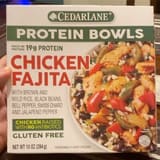 Chicken Fajita Protein Bowl Cedarlane Not ultra-processed · No non-nutritive sweeteners Score 97 out of 100 , 39 points higher
 -
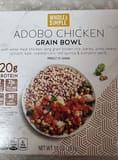 Adodo Chicken Grain Bowl Whole & Simple · 10 oz Not ultra-processed · No non-nutritive sweeteners Score 99 out of 100 , 41 points higher
 -
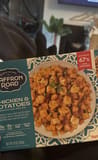 Chicken and potatoes Saffron Road · 10 oz Not ultra-processed · No non-nutritive sweeteners Score 96 out of 100 , 38 points higher
 -
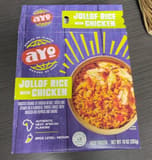 Jollof rice with chicken AYO · 10 oz Not ultra-processed · No non-nutritive sweeteners Score 100 out of 100 , 42 points higher
 -
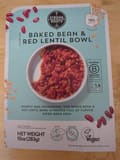 Baked Bean & Red Lentil Bowl Strong Roots · 10 oz Not ultra-processed · No non-nutritive sweeteners Score 100 out of 100 , 42 points higher
The same kind of product, at least 10 points higher, sold in the US. Never paid placements.
The Receipt
Orange Chicken Bowl
Ingredients
- Erythritol minus 7.5 points
- Monk fruit extract minus 2.5 points
- Alcohol (ethanol) minus 2.5 points
- Whey protein concentrate / isolate minus 1.5 points
- Guar gum minus 1.5 points
- Grapeseed oil minus 1.5 points
- Safflower oil minus 0.5 points
- Sunflower oil minus 0.5 points
- Canola oil minus 0.5 points
Processing
- Ultra-processed (NOVA 4) minus 18 points
- 4 kinds of ultra-processing markers minus 4.5 points
Nutrition per 100 g
- Salt 0.8 g / 100 g minus 3 points
- Protein 9.4 g / 100 g plus 2 points
100 − 42 = 58
Nutrition per 100 g
| Energy | 75 kcal |
|---|---|
| Fat | 2.4 g |
| Saturated fat | 0.2 g |
| Trans fat | 0 g |
| Carbohydrates | 11.8 g |
| Sugars | 0.4 g |
| Added sugars | 0 g |
| Fiber | 1.2 g |
| Protein | 9.4 g |
| Salt | 0.8 g |
Serving: 1 bowl (255 g)
Ingredients
- chicken breast with rib meat
- green bell pepper
- water
- sweetener (erythritol, monk fruit extract) (not recognized)
- carrots
- tamari soy sauce (water, organic soybeans, salt, organic alcohol)
- apple cider vinegar
- chickpea flour
- whey protein concentrate
- salt
- guar gum
- orange peel (orange peel, water, citric acid)
- garlic powder
- paprika
- ginger
- onion powder
- red chili
- black pepper
- whole egg
- breaded chicken fried in grapeseed oil
- safflower oil
- sunflower oil
- non-gmo canola oil
Label text, as published
chicken breast with rib meat, green bell pepper, water, sweetener (erythritol, monk fruit extract), carrots, tamari soy sauce (water, organic soybeans, salt, organic alcohol), apple cider vinegar, chickpea flour, whey protein concentrate, salt, guar gum, orange peel (orange peel, water, citric acid), garlic powder, paprika, ginger, onion powder, red chili, black pepper, whole egg, breaded chicken fried in grapeseed oil, safflower oil, sunflower oil, and/or non-gmo canola oil, contains: milk, egg , soy,
Allergens and diets
Contains: Milk, Soy, Egg
- Not vegan
- Not vegetarian
- Palm-oil-free
Always check the package: recipes change.
More meals on GoodSwap
-
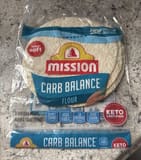 Carb Balance Flour Tortilla Wraps Mission · 340 g Ultra-processedHigh in saltContains non-nutritive sweetenersContains emulsifiers studied for gut effects Score 46 out of 100 Okay
 -
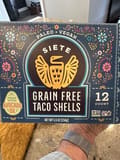 Grain Free Taco Shells Siete · 5.5 oz/156 g Ultra-processedNo additivesSeed-oil free Score 72 out of 100 Good
 -
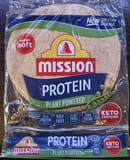 Tortilla Wraps Mission · 9 oz Ultra-processedHigh in saltContains non-nutritive sweetenersContains emulsifiers studied for gut effects Score 30 out of 100 Poor
 -
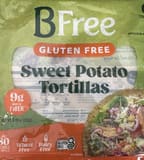 Sweet Potato Wraps Bfree · 8.89 oz/252 g Ultra-processedContains seed oilsContains whole grains Score 62 out of 100 Good
 -
 Mashed Potatoes Bob Evans · 12 oz Ultra-processedContains emulsifiers studied for gut effectsContains seed oilsContains artificial flavors Score 51 out of 100 Okay
 -
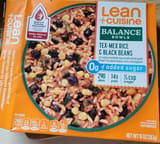 Tex-Mex Rice & Black Beans Lean Cuisine · 10 oz Seed-oil freeNo synthetic dyesContains whole grains Score 73 out of 100 Good
Sources
-
The artificial sweetener erythritol and cardiovascular event risk
“Our findings reveal that erythritol is both associated with incident MACE risk and fosters enhanced thrombosis. Studies assessing the long-term safety of erythritol are warranted.”
doi.org
-
Re-evaluation of erythritol (E 968) as a food additive (plain language summary)
“In all groups of people, both acute and chronic exposure to erythritol is above the newly set ADI.”
efsa.europa.eu
-
WHO advises not to use non-sugar sweeteners for weight control in newly released guideline
“The recommendation is based on the findings of a systematic review of the available evidence which suggests that use of NSS does not confer any long-term benefit in reducing body fat in adults or children.”
who.int
-
Dietary Guidelines for Americans, 2025–2030
“Limit foods and beverages that include artificial flavors, petroleum-based dyes, artificial preservatives, and low-calorie non-nutritive sweeteners.”
cdn.realfood.gov
-
Agents Classified by the IARC Monographs, Volumes 1–142 (List of Classifications)
monographs.iarc.who.int
-
About Alcohol Use During Pregnancy
“There is no known safe amount of alcohol use during pregnancy.”
cdc.gov
-
“replacement of saturated fat in the diet with linoleic acid effectively lowers serum cholesterol but does not support the hypothesis that this translates to a lower risk of death from coronary heart disease or all causes.”
doi.org
-
“These data provide support for current recommendations to replace saturated fat with polyunsaturated fat for primary prevention of CHD.”
doi.org
-
“For adults, WHO recommends less than 2000 mg/day of sodium (equivalent to less than 5 g/day salt), or just under a teaspoon.”
who.int
-
“Greater exposure to ultra-processed food was associated with a higher risk of adverse health outcomes, especially cardiometabolic, common mental disorder, and mortality outcomes.”
doi.org
-
Regulation (EU) No 1169/2011, Annex III point 2.4 (foods with more than 10 % added polyols)
“‘excessive consumption may produce laxative effects’.”
eur-lex.europa.eu