Meals
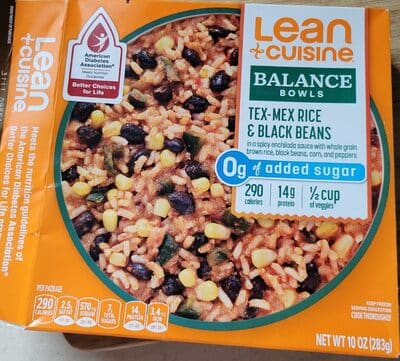
Lean Cuisine Tex-Mex Rice & Black Beans
10 oz
Score
- Seed-oil free
- No synthetic dyes
- Contains whole grains
Why it scores 73
Lean Cuisine Tex-Mex Rice & Black Beans scores 73 out of 100 (Good) under GoodSwap’s published rules. What moved the score most:
- minus 18 points Ultra-processed (NOVA 4, estimated): No NOVA group on file; estimated from 3 kinds of ultra-processing markers. Strong
- minus 3 points 3 kinds of ultra-processing markers: Industrial additive classes found: color (added), firming agent and modified starch. Emerging
- minus 2.5 points Modified starch: An additive class typical of ultra-processed foods (NOVA group 4). Info
Every line of the math is on The Receipt below, with its evidence tier and sources.
Better frozen meals
-
 Sticky Rice Restaurant-Style Steamed White Rice Tasty Bite · 8.8 oz/250 g No modified starch · No potassium sorbate Score 100 out of 100 , 27 points higher
 -
 Jollof rice with chicken AYO · 10 oz No modified starch · No potassium sorbate Score 100 out of 100 , 27 points higher
 -
 Baked Bean & Red Lentil Bowl Strong Roots · 10 oz No modified starch · No potassium sorbate Score 100 out of 100 , 27 points higher
 -
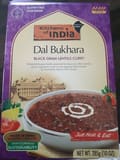 Kitchens of india, dal bukhara black gram lentils curry Kitchens Of India · 285 g No modified starch · No potassium sorbate Score 95 out of 100 , 22 points higher
 -
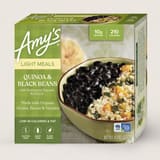 Quinoa & black beans with butternut squash & chard Amy's · 8 oz / 227 g No modified starch · No potassium sorbate Score 94 out of 100 , 21 points higher
The same kind of product, at least 10 points higher, sold in the US. Never paid placements.
The Receipt
Tex-Mex Rice & Black Beans
Ingredients
- Modified starch minus 2.5 points
- Potassium sorbate minus 2.5 points
- Calcium chloride minus 2.5 points
Processing
- Ultra-processed (NOVA 4, estimated) minus 18 points
- 3 kinds of ultra-processing markers minus 3 points
Nutrition per 100 g
- Salt 0.5 g / 100 g minus 1 points
- Fiber 3.2 g / 100 g plus 2 points
100 − 27.5 = 72.5 → 73
Nutrition per 100 g
| Energy | 102 kcal |
|---|---|
| Fat | 1.8 g |
| Saturated fat | 0.9 g |
| Trans fat | 0 g |
| Carbohydrates | 16.3 g |
| Sugars | 2.5 g |
| Added sugars | 0 g |
| Fiber | 3.2 g |
| Protein | 4.9 g |
| Salt | 0.5 g |
Serving: 1.0 package (283.0 g)
Ingredients
- black beans
- cooked brown rice (water, brown rice)
- skim milk
- onions
- roasted red bell pepper puree
- green chiles (green chiles, citric acid)
- corn
- tomato paste
- poblano chiles
- reduced fat mozzarella cheese (cultured part skim milk and skim milk, modified cornstarch, salt, vitamin a palmitate, enzymes, ingredient not in regular mozzarella cheese)
- cheddar cheese (cultured milk, salt, enzymes, annatto color)
- tomatillos (tomatillos, citric acid)
- spices
- buttermilk powder
- chili pepper puree (peppers, citric acid, potassium sorbate and sodium benzoate [preservatives])
- paprika
- sour cream (cultured cream, nonfat milk)
- butter (cream, salt)
- apple cider vinegar
- salt
- garlic
- cilantro
- modified cornstarch
- onion powder
- lime juice concentrate
- jalapeno puree (jalapeno peppers, salt, acetic acid, water, calcium chloride)
- garlic powder
- potassium salt
Label text, as published
black beans, cooked brown rice (water, brown rice). water, skim milk, onions, roasted red bell pepper puree, green chiles (green chiles, citric acid), corn, tomato paste, poblano chiles, reduced fat mozzarella cheese (cultured part skim milk and skim milk, modified cornstarch, salt, vitamin a palmitate, enzymes, ingredient not in regular mozzarella cheese), cheddar cheese (cultured milk, salt, enzymes, annatto color),2% or less of tomatillos (tomatillos, citric acid), spices, buttermilk powder, chili pepper puree (peppers, citric acid, potassium sorbate and sodium benzoate [preservatives]), paprika, sour cream (cultured cream, nonfat milk), butter (cream, salt), apple cider vinegar, salt, garlic, cilantro, modified cornstarch, onion powder, lime juice concentrate, jalapeno puree (jalapeno peppers, salt, acetic acid, water, calcium chloride), garlic powder, potassium salt. contains: milk.
Allergens and diets
Contains: Milk
- Not vegan
- Palm-oil-free
Always check the package: recipes change.
More meals on GoodSwap
-
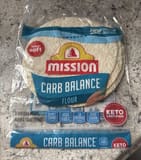 Carb Balance Flour Tortilla Wraps Mission · 340 g Ultra-processedHigh in saltContains non-nutritive sweetenersContains emulsifiers studied for gut effects Score 46 out of 100 Okay
 -
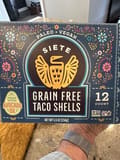 Grain Free Taco Shells Siete · 5.5 oz/156 g Ultra-processedNo additivesSeed-oil free Score 72 out of 100 Good
 -
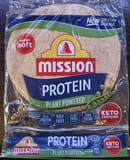 Tortilla Wraps Mission · 9 oz Ultra-processedHigh in saltContains non-nutritive sweetenersContains emulsifiers studied for gut effects Score 30 out of 100 Poor
 -
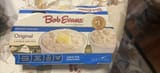 Mashed Potatoes Bob Evans · 12 oz Ultra-processedContains emulsifiers studied for gut effectsContains seed oilsContains artificial flavors Score 51 out of 100 Okay
 -
 White Cheddar Annie's · 57 g Ultra-processedHigh in saltHigh in saturated fatSeed-oil free Score 60 out of 100 Good
 -
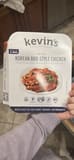 Korean BBQ-Style Chicken Kevin's Natural Foods · 16 oz Ultra-processedContains non-nutritive sweetenersContains added sugarsSeed-oil free Score 52 out of 100 Okay
More from Lean Cuisine
-
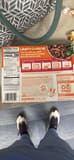 Signature Steak Portabella Lean Cuisine · 7.5 oz Score 22 out of 100 Poor
 -
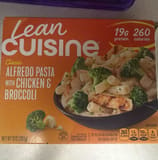 Classic Alfredo Pasta with Chicken & Broccoli Lean Cuisine · 10 oz Score 52 out of 100 Okay
 -
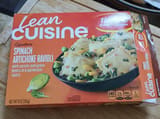 SPINACH ARTICHOKE RAVIOLI in a parmesan sauce with vegetables Lean Cuisine · 9 oz Score 33 out of 100 Poor
 -
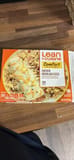 Chicken Enchilada Suiza Lean Cuisine · 9 oz Score 37 out of 100 Poor
Sources
-
“By applying a default uncertainty factor of 100, the Panel established a group ADI expressed as 11 mg sorbic acid/kg bw per day for sorbic acid (E 200) and its potassium salt (E 202).”
doi.org
-
21 CFR 182.3640 Potassium sorbate
ecfr.gov
-
“For adults, WHO recommends less than 2000 mg/day of sodium (equivalent to less than 5 g/day salt), or just under a teaspoon.”
who.int
-
Dietary Guidelines for Americans, 2025–2030
“Limit foods and beverages that include artificial flavors, petroleum-based dyes, artificial preservatives, and low-calorie non-nutritive sweeteners.”
cdn.realfood.gov