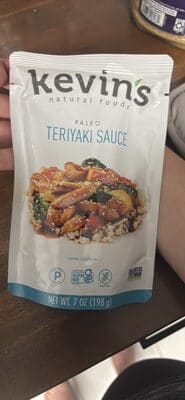
Sauces
Kevin's Natural Foods Teriyaki Sauce
7 oz
Score
- Ultra-processed
- High in salt
- Contains non-nutritive sweeteners
- Contains added sugars
- Seed-oil free
Why it scores 40
Kevin's Natural Foods Teriyaki Sauce scores 40 out of 100 (Okay) under GoodSwap’s published rules. What moved the score most:
- minus 20 points Coconut sugar: An added sugar. Strong
- minus 18 points Ultra-processed (NOVA 4): Classified NOVA 4: made with industrial ingredients and additives. Strong
- minus 9 points Salt 2.7 g / 100 g: Very high in salt. Strong
Every line of the math is on The Receipt below, with its evidence tier and sources.
Better asian cooking sauces
-
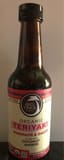 Organic Coco Aminos Teriyaki Marinade & Sauce Big Tree Farms · 10 fl oz/296 mL Not ultra-processed · No non-nutritive sweeteners Score 72 out of 100 , 32 points higher
 -
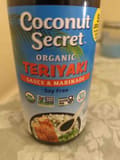 Organic Coconut Aminos Teriyaki Sauce Coconut Secrets · 10 fl oz Not ultra-processed · No non-nutritive sweeteners Score 68 out of 100 , 28 points higher
 -
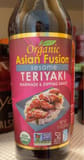 Sesame Teriyaki - Marinade & Dipping Sauce Asian Fusion Organic · 15 oz Not ultra-processed · No non-nutritive sweeteners Score 54 out of 100 , 14 points higher
 -
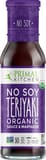 No Soy Teriyaki Sauce & Marinade Primal Kitchen · 8.5 oz/241 g Not ultra-processed · No non-nutritive sweeteners Score 53 out of 100 , 13 points higher
 -
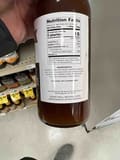 Teriyaki Marinade Rib Rack · 12 oz Not ultra-processed · No non-nutritive sweeteners Score 60 out of 100 , 20 points higher
The same kind of product, at least 10 points higher, sold in the US. Never paid placements.
The Receipt
Teriyaki Sauce
Ingredients
- Coconut sugar minus 20 points
- Yeast extract minus 2.5 points
- Xanthan gum minus 2.5 points
- Monk fruit extract minus 1.5 points
Processing
- Ultra-processed (NOVA 4) minus 18 points
- 3 kinds of ultra-processing markers minus 3 points
Nutrition per 100 g
- Sugars 6.3 g / 100 g minus 3 points
- Salt 2.7 g / 100 g minus 9 points
- Energy 175 kcal / 100 g minus 1 points
100 − 60.5 = 39.5 → 40
Can’t score above 79. Contains coconut sugar, an ingredient of high concern. [1][2][3]
Can’t score above 79. High in salt (above the front-of-pack "high" level). [7]
Nutrition per 100 g
| Energy | 175 kcal |
|---|---|
| Fat | 0 g |
| Saturated fat | 0 g |
| Trans fat | 0 g |
| Carbohydrates | 35.1 g |
| Sugars | 6.3 g |
| Added sugars | 8.8 g |
| Fiber | 0 g |
| Protein | 0 g |
| Salt | 2.7 g |
Serving: 0.25 cup (57 g)
Ingredients
- COCONUT AMINOS (COCONUT NECTAR, WATER, SEA SALT)
- WATER
- COCONUT SUGAR (high concern)
- APPLE CIDER VINEGAR
- ROASTED SESAME OIL
- YEAST EXTRACT
- TAPIOCA STARCH
- VINEGAR
- DEHYDRATED GARLIC
- SHIITAKE MUSHROOM
- DEHYDRATED ROASTED GARLIC
- XANTHAN GUM
- GRANULATED GINGER
- GRANULATED ONION
- SPICES
- CITRIC ACID
- MONK FRUIT EXTRACT
Label text, as published
COCONUT AMINOS (COCONUT NECTAR, WATER, SEA SALT), WATER, COCONUT SUGAR, APPLE CIDER VINEGAR, ROASTED SESAME OIL, YEAST EXTRACT, TAPIOCA STARCH, VINEGAR, DEHYDRATED GARLIC, SHIITAKE MUSHROOM, DEHYDRATED ROASTED GARLIC, XANTHAN GUM, GRANULATED GINGER, GRANULATED ONION, SPICES, CITRIC ACID, MONK FRUIT EXTRACT. CONTAINS: SESAME.
Allergens and diets
Contains: Soy, Sesame
- Vegan
- Vegetarian
- Palm-oil-free
Always check the package: recipes change.
More sauces on GoodSwap
-
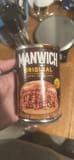 Original Sloppy Joe Sauce Manwich · 15 oz Ultra-processedContains added sugars Score 43 out of 100 Okay
 -
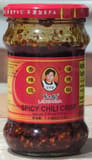 Spicy Chili Crisp Laoganma · 7.41 oz Ultra-processedHigh in saltHigh in saturated fatContains added sugars Score 26 out of 100 Poor
 -
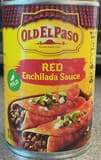 Red Enchilada Sauce Old El Paso · 10 oz Ultra-processedContains added sugarsNo synthetic dyes Score 46 out of 100 Okay
 -
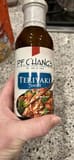 Teriyaki Sauce P.F. Chang's · 14 fl oz High in saltContains added sugarsContains seed oils Score 9 out of 100 Bad
 -
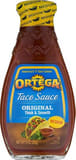 Medium Taco Sauce Ortega · 8 oz Ultra-processedHigh in saltContains added sugars Score 40 out of 100 Okay
 -
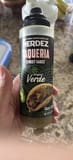 Taqueria Street Sauce Original Verde Taco Sauce Herdez · 9 oz Ultra-processedHigh in saltContains seed oils Score 63 out of 100 Good
More from Kevin's Natural Foods
-
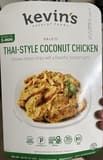 Thai-Style Coconut Chicken Kevin's Natural Foods · 32 oz Score 51 out of 100 Okay
 -
 Cilantro Lime Chicken Kevin's Natural Foods · 16 oz Score 66 out of 100 Good
 -
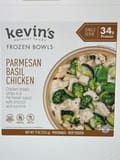 Parmesan Basil Chicken Kevin's Natural Foods · 9 oz Score 74 out of 100 Good
 -
 Korean BBQ-Style Chicken Kevin's Natural Foods · 16 oz Score 52 out of 100 Okay
Sources
-
Guideline: sugars intake for adults and children
“In both adults and children, WHO recommends reducing the intake of free sugars to less than 10% of total energy intake”
who.int
-
Dietary Guidelines for Americans, 2025–2030
“Limit foods and beverages that include artificial flavors, petroleum-based dyes, artificial preservatives, and low-calorie non-nutritive sweeteners.”
cdn.realfood.gov
-
Added and free sugars should be as low as possible
“Sugar consumption is a known cause of dental caries.”
efsa.europa.eu
-
WHO advises not to use non-sugar sweeteners for weight control in newly released guideline
“The recommendation is based on the findings of a systematic review of the available evidence which suggests that use of NSS does not confer any long-term benefit in reducing body fat in adults or children.”
who.int
-
“For adults, WHO recommends less than 2000 mg/day of sodium (equivalent to less than 5 g/day salt), or just under a teaspoon.”
who.int
-
“Table 3: Criteria for drinks (per 100ml)”
assets.publishing.service.gov.uk
-
“Greater exposure to ultra-processed food was associated with a higher risk of adverse health outcomes, especially cardiometabolic, common mental disorder, and mortality outcomes.”
doi.org