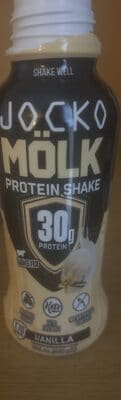
Bodybuilding supplements
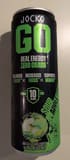
Jocko Fuel Protein Shake
12 fl oz/355 mL
Score
- Contains non-nutritive sweeteners
- Contains added sugars
- Contains seed oils
Why it scores 82
Jocko Fuel Protein Shake scores 82 out of 100 (Excellent) under GoodSwap’s published rules. What moved the score most:
- minus 12 points Sugar: An added sugar. Strong
- minus 1 points Protein blend (unspecified): An ingredient typical of ultra-processed foods (NOVA group 4). Info
- minus 1 points Milk protein concentrate / isolate: An ingredient typical of ultra-processed foods (NOVA group 4). Info
Every line of the math is on The Receipt below, with its evidence tier and sources.
The Receipt
Protein Shake
Ingredients
- Sugar minus 12 points
- Protein blend (unspecified) minus 1 points
- Milk protein concentrate / isolate minus 1 points
- Caseinate minus 0.5 points
- Monk fruit extract minus 0.5 points
- Natural flavors minus 0.5 points
- Locust bean gum minus 0.5 points
- Sunflower oil minus 0.5 points
- Microcrystalline cellulose minus 0.5 points
- Sunflower lecithin minus 0.5 points
- Sodium phosphate minus 0.5 points
- Gellan gum minus 0.5 points
100 − 18.5 = 81.5 → 82
Nutrition per 100 g
| Energy | 51 kcal |
|---|---|
| Fat | 1.3 g |
| Saturated fat | 0.3 g |
| Trans fat | 0 g |
| Carbohydrates | 1.4 g |
| Sugars | 0.6 g |
| Added sugars | 0 g |
| Fiber | 0.3 g |
| Protein | 8.5 g |
| Salt | 0.2 g |
Serving: 1 bottle (355 g)
Ingredients
- WATER
- PROTEIN BLEND (MILK PROTEIN CONCENTRATE, CALCIUM CASEINATE)
- MONK FRUIT EXTRACT
- FERMENTED CANE SUGAR (REB-M) (high concern)
- NATURAL FLAVOR
- SEA SALT
- ORGANIC LOCUST BEAN GUM
- HIGH OLEIC SUNFLOWER OIL CELLULOSE GUM
- CELLULOSE GEL
- SUNFLOWER LECITHIN
- SODIUM PHOSPHATE
- GELLAN GUM
- POTASSIUM CITRATE
- POTASSIUM SALT
Label text, as published
WATER, PROTEIN BLEND (MILK PROTEIN CONCENTRATE, CALCIUM CASEINATE), MONK FRUIT EXTRACT, FERMENTED CANE SUGAR (REB-M), NATURAL FLAVOR, SEA SALT, ORGANIC LOCUST BEAN GUM, HIGH OLEIC SUNFLOWER OIL CELLULOSE GUM, CELLULOSE GEL, SUNFLOWER LECITHIN, SODIUM PHOSPHATE, GELLAN GUM, POTASSIUM CITRATE, POTASSIUM SALT.
Allergens and diets
Contains: Milk
- Not vegan
- Palm-oil-free
Always check the package: recipes change.
More bodybuilding supplements on GoodSwap
-
 Collagen Peptides + Probiotics Orgain · cada cuánto se toma Score 99 out of 100 Excellent
 -
 Organic Protein Orgain · 16.3 oz/1.02 lb/462 g Ultra-processedHigh in saltContains non-nutritive sweetenersContains sugar alcohols Score 48 out of 100 Okay
 -
 Orgain Protein Shakes Orgain · 5.94 L Contains non-nutritive sweetenersContains emulsifiers studied for gut effectsContains seed oils Score 90 out of 100 Excellent
 -
 Rockin' Protein Builder Protein Shake Strawberry Shamrock Farms · 354 mL Dye with an EU warning labelContains synthetic dyesContains non-nutritive sweetenersContains emulsifiers studied for gut effects Score 76 out of 100 Good
 -
 Omega Trek Mix Dried Cranberry & Roasted Nut Blend Trader Joe's · 12 oz Contains added sugarsContains seed oils Score 87 out of 100 Excellent
 -
 Creatine Monohydrate Nutricost Score 100 out of 100 Excellent
More from Jocko Fuel
Sources
-
Guideline: sugars intake for adults and children
“In both adults and children, WHO recommends reducing the intake of free sugars to less than 10% of total energy intake”
who.int
-
Dietary Guidelines for Americans, 2025–2030
“Limit foods and beverages that include artificial flavors, petroleum-based dyes, artificial preservatives, and low-calorie non-nutritive sweeteners.”
cdn.realfood.gov
-
Added and free sugars should be as low as possible
“Sugar consumption is a known cause of dental caries.”
efsa.europa.eu
-
WHO advises not to use non-sugar sweeteners for weight control in newly released guideline
“The recommendation is based on the findings of a systematic review of the available evidence which suggests that use of NSS does not confer any long-term benefit in reducing body fat in adults or children.”
who.int
-
21 CFR 101.22 Foods; labeling of spices, flavorings, colorings and chemical preservatives
“whose significant function in food is flavoring rather than nutritional.”
ecfr.gov
-
“replacement of saturated fat in the diet with linoleic acid effectively lowers serum cholesterol but does not support the hypothesis that this translates to a lower risk of death from coronary heart disease or all causes.”
doi.org
-
“These data provide support for current recommendations to replace saturated fat with polyunsaturated fat for primary prevention of CHD.”
doi.org
-
EFSA issues new advice on phosphates
“We estimated that dietary exposure to phosphates may exceed the new ADI for infants, toddlers and children with average consumption of phosphates in their diet.”
efsa.europa.eu