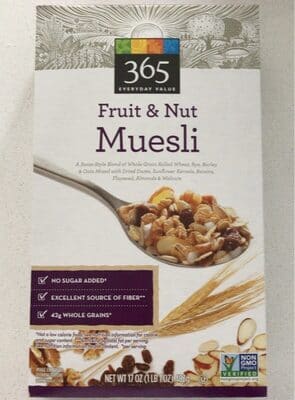
Muesli with fruits
365 Everyday Value Fruit nut muesli
472 g
Score
- Contains seed oils
- No additives
- Contains whole grains
Why it scores 92
365 Everyday Value Fruit nut muesli scores 92 out of 100 (Excellent) under GoodSwap’s published rules. What moved the score most:
- minus 8 points Sugars 15.6 g / 100 g: High in sugar. Strong
- plus 4 points Fiber 12.5 g / 100 g: A good source of fiber. Strong
- minus 2.5 points Canola oil: High in omega-6 linoleic acid. Emerging
Every line of the math is on The Receipt below, with its evidence tier and sources.
The Receipt
Fruit nut muesli
Ingredients
- Canola oil minus 2.5 points
Nutrition per 100 g
- Sugars 15.6 g / 100 g minus 8 points
- Energy 391 kcal / 100 g minus 2 points
- Fiber 12.5 g / 100 g plus 4 points
100 − 8.5 = 91.5 → 92
Nutrition per 100 g
| Energy | 391 kcal |
|---|---|
| Fat | 7.8 g |
| Saturated fat | 0.8 g |
| Trans fat | 0 g |
| Carbohydrates | 73.4 g |
| Sugars | 15.6 g |
| Added sugars | 0 g |
| Fiber | 12.5 g |
| Protein | 10.9 g |
| Salt | 0 g |
Serving: 64g
Ingredients
- WHOLE GRAIN ROLLED WHEAT
- DRIED DATES (DATES, OAT FLOUR)
- SUNFLOWER KERNELS
- WHOLE GRAIN ROLLED RYE (not recognized)
- RAISINS (RAISINS, EXPELLER PRESSED CANOLA OIL)
- WHOLE GRAIN ROLLED BARLEY
- WHOLE GRAIN ROLLED OATS
- FLAXSEED
- ALMONDS
- WALNUTS
Label text, as published
WHOLE GRAIN ROLLED WHEAT, DRIED DATES (DATES, OAT FLOUR), SUNFLOWER KERNELS, WHOLE GRAIN ROLLED RYE, RAISINS (RAISINS, EXPELLER PRESSED CANOLA OIL), WHOLE GRAIN ROLLED BARLEY, WHOLE GRAIN ROLLED OATS, FLAXSEED, ALMONDS, WALNUTS.
Allergens and diets
Contains: Tree nuts, Wheat, Gluten
- Vegan
- Vegetarian
- Not gluten-free
- Palm-oil-free
Always check the package: recipes change.
More muesli with fruits on GoodSwap
-
 Old Country Style Muesli Bob's Red Mill · 32 g No additivesContains whole grains Score 96 out of 100 Excellent
 -
 Love Crunch Dark Chocolate & Red Berries Nature's Path · 26.4 oz / 750 g Ultra-processedContains added sugarsContains seed oilsCertified organic Score 38 out of 100 Poor
 -
 Triple Berry Crunch Granola Bear Naked · 12 oz (340 g) Ultra-processedContains added sugarsContains seed oilsContains whole grains Score 16 out of 100 Bad
 -
 Raspberry Granola with Chia Seeds Kind · 11 oz Contains added sugarsContains seed oilsContains whole grains Score 40 out of 100 Okay
 -
 Classic Bircher Apple Cinnamon Almond Muesli Cereal Seven Sundays · 12 oz (340 g) No additivesContains whole grains Score 97 out of 100 Excellent
 -
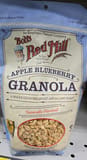 Apple Blueberry Granola Bob's Red Mill · 16 Ultra-processedHigh in sugarContains added sugarsContains whole grains Score 49 out of 100 Okay
More from 365 Everyday Value
-
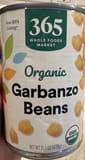 Organic garbanzo beans 365 Everyday Value · 15.5 oz/439 g Score 100 out of 100 Excellent
 -
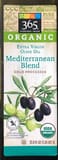 365 Everyday Value, 100% Mediterranean Blend Extra Virgin Olive Oil 365 Everyday Value · 33.8 fl oz/1.05 qt/1 L Score 100 out of 100 Excellent
 -
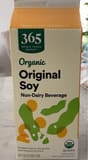 Organic Original Soy Non-Dairy Beverage 365 Everyday Value · 64 fl oz Score 50 out of 100 Okay
 -
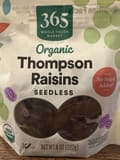 Seedless thompson raisins 365 Everyday Value · 8 oz/227 g Score 79 out of 100 Good
Sources
-
“replacement of saturated fat in the diet with linoleic acid effectively lowers serum cholesterol but does not support the hypothesis that this translates to a lower risk of death from coronary heart disease or all causes.”
doi.org
-
“These data provide support for current recommendations to replace saturated fat with polyunsaturated fat for primary prevention of CHD.”
doi.org
-
Guideline: sugars intake for adults and children
“In both adults and children, WHO recommends reducing the intake of free sugars to less than 10% of total energy intake”
who.int
-
Dietary Guidelines for Americans, 2025–2030
“Limit foods and beverages that include artificial flavors, petroleum-based dyes, artificial preservatives, and low-calorie non-nutritive sweeteners.”
cdn.realfood.gov