Dietary supplements
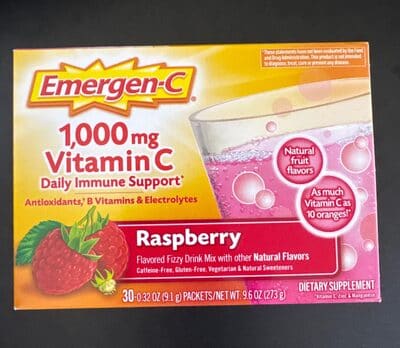
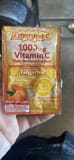
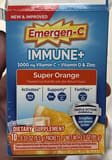
Emergen-C Vitamin C
Score
- Contains added sugars
Why it scores 75
Emergen-C Vitamin C scores 75 out of 100 (Good) under GoodSwap’s published rules. What moved the score most:
- minus 12 points Sugar: An added sugar. Strong
- minus 12 points Fructose: An added sugar. Strong
- minus 1 points Maltodextrin: An additive class typical of ultra-processed foods (NOVA group 4). Info
Every line of the math is on The Receipt below, with its evidence tier and sources.
The Receipt
Vitamin C
Ingredients
- Sugar minus 12 points
- Fructose minus 12 points
- Maltodextrin minus 1 points
100 − 25 = 75
Nutrition per 100 g
| Energy | 385 kcal |
|---|---|
| Carbohydrates | 87.9 g |
| Sugars | 65.9 g |
Serving: 9.1g
Ingredients
Label text, as published
Sugar, Fructose, Citric Acid, Maltodextrin. Contains <2% of: Acacia, Beet Juice Concentrate (color), Caramel Color, Fruit Juice Concentrates (blackberry, raspberry, cherry) (color and flavor), Glycine, L-Aspartic Acid, Malic Acid, Natural Flavors, Rebaudioside A (extracted and purified from natural stevia leaf), Silicon Dioxide, Tartaric Acid. O Caffeine-Free Gluten-Free Vegetarian Natural Sweeteners & Flavors Naturally-Sourced Colors Keep out of reach of children.
Allergens and diets
- Vegan
- Vegetarian
- Palm-oil-free
Always check the package: recipes change.
More dietary supplements on GoodSwap
-
 Organic Supergreens Fruits & Vegetables Zena Greens Contains non-nutritive sweetenersContains caffeineCertified organicContains whole grains Score 95 out of 100 Excellent
 -
 Super Orange Flavored Fizzy Drink Mix Emergen-C · 9.1 g Contains added sugarsNo synthetic dyes Score 86 out of 100 Excellent
 -
 Greens and superfoods Bloom · 10.24 oz Contains non-nutritive sweetenersContains caffeineContains whole grains Score 97 out of 100 Excellent
 -
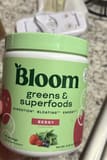 Greens & Superfoods Bloom Contains non-nutritive sweetenersContains caffeineContains whole grains Score 97 out of 100 Excellent
 -
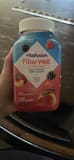 Fiber Well Fiber Supplement Vitafusion · 90 gummies Contains non-nutritive sweetenersContains sugar alcoholsContains palm oilSeed-oil free Score 92 out of 100 Excellent
 -
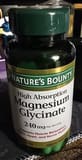 High Absorption Magnesium Glycinate Nature's Bounty Score 100 out of 100 Excellent
More from Emergen-C
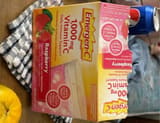
Sources
-
Guideline: sugars intake for adults and children
“In both adults and children, WHO recommends reducing the intake of free sugars to less than 10% of total energy intake”
who.int
-
Dietary Guidelines for Americans, 2025–2030
“Limit foods and beverages that include artificial flavors, petroleum-based dyes, artificial preservatives, and low-calorie non-nutritive sweeteners.”
cdn.realfood.gov
-
Added and free sugars should be as low as possible
“Sugar consumption is a known cause of dental caries.”
efsa.europa.eu