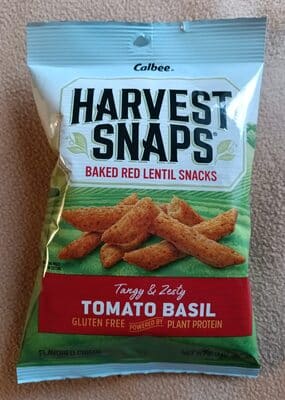
Snacks
Harvest Snaps Lentil Bean Crisps Tomato Basil
57 g
Score
- Ultra-processed
- Contains added sugars
- Contains seed oils
Why it scores 48
Harvest Snaps Lentil Bean Crisps Tomato Basil scores 48 out of 100 (Okay) under GoodSwap’s published rules. What moved the score most:
- minus 20 points Sugar: An added sugar. Strong
- minus 18 points Ultra-processed (NOVA 4): Classified NOVA 4: made with industrial ingredients and additives. Strong
- minus 4.5 points 4 kinds of ultra-processing markers: Industrial additive classes found: flavor enhancer, flavoring, industrial sugar or starch hydrolysate and modified starch. Emerging
Every line of the math is on The Receipt below, with its evidence tier and sources.
Better pasta sauces
-
 Tomato Basil Carbone · 24 oz Not ultra-processed · No added sugars Score 92 out of 100 , 44 points higher
 -
 Tomato Basil Rao's Homemade · 24 oz Not ultra-processed · No added sugars Score 92 out of 100 , 44 points higher
 -
 Tomato Basil Portobello Bolognese Daily Harvest Not ultra-processed · No added sugars Score 92 out of 100 , 44 points higher
 -
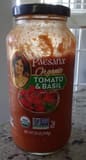 Premium Organic Tomato & Basil Pasta Sauce Paesana · 25 oz Not ultra-processed · No added sugars Score 97 out of 100 , 49 points higher
 -
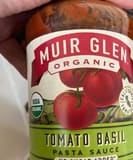 Tomato Basil Pasta Sauce Muir Glen · 23.5 oz Not ultra-processed · No added sugars Score 100 out of 100 , 52 points higher
The same kind of product, at least 10 points higher, sold in the US. Never paid placements.
The Receipt
Lentil Bean Crisps Tomato Basil
Ingredients
- Sugar minus 20 points
- Canola oil minus 2.5 points
- Maltodextrin minus 2.5 points
- Natural flavors minus 1.5 points
- Dextrin minus 1.5 points
- Yeast extract minus 1.5 points
Processing
- Ultra-processed (NOVA 4) minus 18 points
- 4 kinds of ultra-processing markers minus 4.5 points
Nutrition per 100 g
- Salt 0.8 g / 100 g minus 3 points
- Energy 270 kcal / 100 g minus 1 points
- Fiber 5 g / 100 g plus 2 points
- Protein 10 g / 100 g plus 2 points
100 − 52 = 48
Can’t score above 79. Contains sugar, an ingredient of high concern. [1][2][3]
Nutrition per 100 g
| Energy | 270 kcal |
|---|---|
| Fat | 11 g |
| Saturated fat | 1 g |
| Trans fat | 0 g |
| Carbohydrates | 32 g |
| Sugars | 1 g |
| Added sugars | 1 g |
| Fiber | 5 g |
| Protein | 10 g |
| Salt | 0.8 g |
Ingredients
- a day is used for general nutrition advice (not recognized)
- GREDIENTS: RED LENTILS
- CANOLA OIL
- RICE
- TOMATO ASIL SEASONING (MALTODEXTRIN, SALT, SUGAR, NATURAL FLAVORS, ONION POWDER, GARLIC POWDER, TAPIOCA DEXTRIN, CITRIC ACID, SPICES [INCLUDING BASIL], EXTRA VIRGIN OLIVE OIL, YEAST EXTRACT, WHITE DISTILLED VINEGAR, EXTRACTIVE OF TOMATO)
- PAPRIKA COLOR
- CALCIUM CARBONATE
- ROSEMARY EXTRACT FOR FRESHNESS)
Label text, as published
Vitamin D 0mcg um 80mg 0% 6% 2.2mg 10% otassium 370mg 8% The % Daily Value tells you how much a nutrient in a serving of food contributes to a daily diet. 2,000 calories a day is used for general nutrition advice. GREDIENTS: RED LENTILS, CANOLA OIL, RICE, TOMATO ASIL SEASONING (MALTODEXTRIN, SALT, SUGAR, NATURAL FLAVORS, ONION POWDER, GARLIC POWDER, TAPIOCA DEXTRIN, CITRIC ACID, SPICES [INCLUDING BASIL], EXTRA VIRGIN OLIVE OIL, YEAST EXTRACT, WHITE DISTILLED VINEGAR, EXTRACTIVE OF TOMATO), PAPRIKA COLOR, CALCIUM CARBONATE, ROSEMARY EXTRACT FOR FRESHNESS). PACKED ON SHARED EQUIPMENT WITH: MILK MANUFACTURED BY CALBEE AMERICA, INC. FAIRFIELD, CA 94534 bee
More snacks on GoodSwap
-
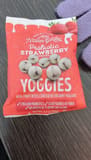 Yoggies Natures Garden Probiotic Strawberry Yoggies · (20 g) 0.7 oz Ultra-processedContains added sugarsContains seed oilsContains palm oil Score 47 out of 100 Okay
 -
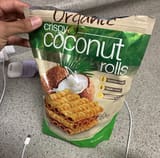 Crispy Coconut Rolls Organic · 312 g High in sugarHigh in saturated fatContains added sugarsCertified organic Score 27 out of 100 Poor
 -
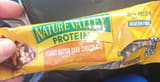 Protein Peanut butter Dark Chocolate chewy bar Nature Valley Protein · 40 g Ultra-processedHigh in saturated fatContains added sugarsContains seed oils Score 9 out of 100 Bad
 -
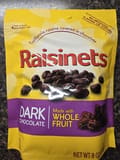 Raisinets Dark Chocolate Raisinets · 8 oz Ultra-processedHigh in sugarHigh in saturated fatContains added sugars Score 3 out of 100 Bad
 -
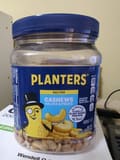 Halves & pieces cashews Planters · 737 g High in saturated fatNo additivesSeed-oil free Score 79 out of 100 Good
 -
 Butter Classic Orville Redenbacher's · 19.74 oz Ultra-processedHigh in saltHigh in saturated fatContains palm oil Score 61 out of 100 Good
More from Harvest Snaps
-
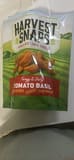 Tomato Basil Crispy Baked Veggie Snacks Harvest Snaps · 3.0 oz Score 45 out of 100 Okay
 -
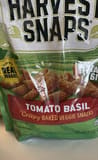 Tomato Basil Harvest Snaps · 8.5 g Score 48 out of 100 Okay
 -
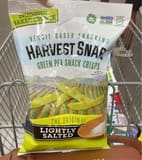 Baked Green Pea Snacks Lightly Salted Harvest Snaps Score 79 out of 100 Good
 -
 Baked Green Pea Snacks Lightly Salted Harvest Snaps Score 79 out of 100 Good
Sources
-
Guideline: sugars intake for adults and children
“In both adults and children, WHO recommends reducing the intake of free sugars to less than 10% of total energy intake”
who.int
-
Dietary Guidelines for Americans, 2025–2030
“Limit foods and beverages that include artificial flavors, petroleum-based dyes, artificial preservatives, and low-calorie non-nutritive sweeteners.”
cdn.realfood.gov
-
Added and free sugars should be as low as possible
“Sugar consumption is a known cause of dental caries.”
efsa.europa.eu
-
“replacement of saturated fat in the diet with linoleic acid effectively lowers serum cholesterol but does not support the hypothesis that this translates to a lower risk of death from coronary heart disease or all causes.”
doi.org
-
“These data provide support for current recommendations to replace saturated fat with polyunsaturated fat for primary prevention of CHD.”
doi.org
-
21 CFR 101.22 Foods; labeling of spices, flavorings, colorings and chemical preservatives
“whose significant function in food is flavoring rather than nutritional.”
ecfr.gov
-
“For adults, WHO recommends less than 2000 mg/day of sodium (equivalent to less than 5 g/day salt), or just under a teaspoon.”
who.int
-
“Greater exposure to ultra-processed food was associated with a higher risk of adverse health outcomes, especially cardiometabolic, common mental disorder, and mortality outcomes.”
doi.org