Beverages
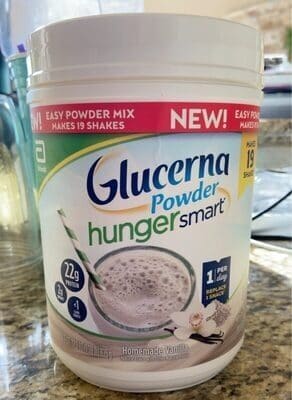
Glucerna powder hunger smart
Score
- High in salt
- High in saturated fat
- Contains non-nutritive sweeteners
Why it scores 30
Glucerna powder hunger smart scores 30 out of 100 (Poor) under GoodSwap’s published rules. What moved the score most:
- minus 18 points Ultra-processed (NOVA 4, estimated): No NOVA group on file; estimated from 5 kinds of ultra-processing markers. Strong
- minus 12 points Sugars 6.5 g / 100 ml: Very high in sugar. Strong
- minus 7.5 points Acesulfame potassium (Ace-K): In the NutriNet-Santé cohort, acesulfame-K intake was associated with higher cancer risk; cause and effect is not established. Strong
Every line of the math is on The Receipt below, with its evidence tier and sources.
The Receipt
Glucerna powder hunger smart
Ingredients
- Acesulfame potassium (Ace-K) minus 7.5 points
- Sucralose minus 7.5 points
- Whey protein concentrate / isolate minus 2.5 points
- Milk protein concentrate / isolate minus 1.5 points
- Natural flavors minus 1.5 points
- Sunflower lecithin minus 1.5 points
- Xanthan gum minus 0.5 points
Processing
- Ultra-processed (NOVA 4, estimated) minus 18 points
- 5 kinds of ultra-processing markers minus 6 points
Nutrition per 100 ml
- Sugars 6.5 g / 100 ml minus 12 points
- Saturated fat 3.2 g / 100 ml minus 3 points
- Salt 1.3 g / 100 ml minus 5 points
- Energy 387 kcal / 100 ml minus 4 points
100 − 70.5 = 29.5 → 30
Can’t score above 79. High in saturated fat and salt (above the front-of-pack "high" level). [13]
Nutrition per 100 ml
| Energy | 387 kcal |
|---|---|
| Fat | 8.1 g |
| Saturated fat | 3.2 g |
| Trans fat | 0 g |
| Carbohydrates | 9.7 g |
| Sugars | 6.5 g |
| Fiber | 0 g |
| Protein | 71 g |
| Salt | 1.3 g |
Serving: 1 scoop (31 g)
Ingredients
- WHEY PROTEIN CONCENTRATE
- MILK PROTEIN ISOLATE
- NATURAL FLAVORS
- SEA SALT
- SUNFLOWER LECITHIN
- XANTHAN GUM
- ACESULFAME POTASSIUM (moderate concern)
- SUCRALOSE (moderate concern)
- FERROUS SULFATE
- DL-ALPHA-TOCOPHERYL ACETATE
- NIACINAMIDE
- ZINC SULFATE
- CALCIUM PANTOTHENATE
- THIAMINE HYDROCHLORIDE
- PYRIDOXINE HYDROCHLORIDE
- RIBOFLAVIN
- MANGANESE SULFATE
- VITAMIN A PALMITATE
- COPPER SULFATE
- FOLIC ACID
- POTASSIUM IODIDE
- PHYLLOQUINONE
- VITAMIN D3
- SODIUM SELENATE
- SODIUM MOLYBDATE
- BIOTIN
- VITAMIN B12
Label text, as published
INGREDIENTS: WHEY PROTEIN CONCENTRATE, MILK PROTEIN ISOLATE, NATURAL FLAVORS; LESS THAN 2% OF: SEA SALT, SUNFLOWER LECITHIN, XANTHAN GUM, ACESULFAME POTASSIUM, SUCRALOSE, FERROUS SULFATE, DL-ALPHA-TOCOPHERYL ACETATE, NIACINAMIDE, ZINC SULFATE, CALCIUM PANTOTHENATE, THIAMINE HYDROCHLORIDE, PYRIDOXINE HYDROCHLORIDE, RIBOFLAVIN, MANGANESE SULFATE, VITAMIN A PALMITATE, COPPER SULFATE, FOLIC ACID, POTASSIUM IODIDE, PHYLLOQUINONE, VITAMIN D3, SODIUM SELENATE, SODIUM MOLYBDATE, BIOTIN, AND VITAMIN B12.
Allergens and diets
Contains: Milk
- Not vegan
- Palm-oil-free
Always check the package: recipes change.
More beverages on GoodSwap
-
 OWYN Pro Elite Dairy-Free Protein Chocolate Flavored OWYN · 330 mL Ultra-processedContains non-nutritive sweetenersContains seed oils Score 63 out of 100 Good
 -
 Organic Protein Delicious Protein Shake Garden of Life · 18.0 oz Ultra-processedHigh in saltContains non-nutritive sweetenersContains sugar alcohols Score 54 out of 100 Okay
 -
 Puna Coconut Pineapple Bai Ultra-processedContains non-nutritive sweetenersContains caffeine Score 69 out of 100 Good
 -
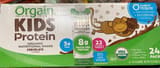 Orgain kids protein Orgain · 192 fl oz/1.5 gal/5.69 L Contains non-nutritive sweetenersContains added sugarsContains seed oilsCertified organic Score 16 out of 100 Bad
 -
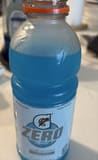 Gatorade Zero Cool Blue Gatorade · 20 fl oz (1.25 pt) 591 mL Contains synthetic dyesUltra-processedContains non-nutritive sweeteners Score 48 out of 100 Okay
 -
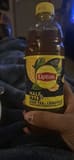 Half & Half Iced Tea Lemonade Lipton · 16.9 fl oz Ultra-processedContains non-nutritive sweetenersContains added sugars Score 28 out of 100 Poor
Sources
-
Artificial sweeteners and cancer risk: Results from the NutriNet-Santé population-based cohort study
“In this large cohort study, artificial sweeteners (especially aspartame and acesulfame-K), which are used in many food and beverage brands worldwide, were associated with increased cancer risk.”
doi.org
-
Re-evaluation of acesulfame K (E 950) as food additive (plain language summary)
“The acceptable daily intake (ADI) considered safe for all population groups was set at 15 mg/kg body weight (bw) per day.”
efsa.europa.eu
-
WHO advises not to use non-sugar sweeteners for weight control in newly released guideline
“The recommendation is based on the findings of a systematic review of the available evidence which suggests that use of NSS does not confer any long-term benefit in reducing body fat in adults or children.”
who.int
-
Dietary Guidelines for Americans, 2025–2030
“Limit foods and beverages that include artificial flavors, petroleum-based dyes, artificial preservatives, and low-calorie non-nutritive sweeteners.”
cdn.realfood.gov
-
Personalized microbiome-driven effects of non-nutritive sweeteners on human glucose tolerance
“As groups, each administered NNS distinctly altered stool and oral microbiome and plasma metabolome, whereas saccharin and sucralose significantly impaired glycemic responses.”
doi.org
-
“Sucralose-6-acetate significantly increased the expression of genes associated with inflammation, oxidative stress, and cancer”
doi.org
-
“EFSA’s experts concluded that the sweetener sucralose (E 955) continues to be safe for consumers for its currently authorised uses as a food additive.”
efsa.europa.eu
-
21 CFR 101.22 Foods; labeling of spices, flavorings, colorings and chemical preservatives
“whose significant function in food is flavoring rather than nutritional.”
ecfr.gov
-
Guideline: sugars intake for adults and children
“In both adults and children, WHO recommends reducing the intake of free sugars to less than 10% of total energy intake”
who.int
-
Saturated fatty acid and trans-fatty acid intake for adults and children: WHO guideline
“WHO recommends that adults and children reduce saturated fatty acid intake to 10% of total energy intake (strong recommendation).”
who.int
-
“For adults, WHO recommends less than 2000 mg/day of sodium (equivalent to less than 5 g/day salt), or just under a teaspoon.”
who.int
-
“Table 3: Criteria for drinks (per 100ml)”
assets.publishing.service.gov.uk