Beverages
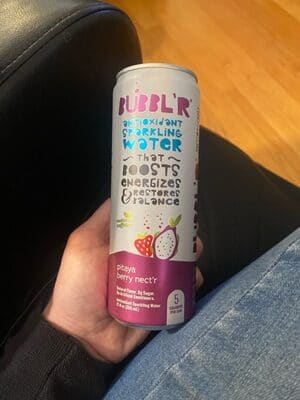
Bubbl’r antioxidant sparkling water Sparkling Water Pitaya Berry Nect’r
12 fl oz/355 mL
Score
- Ultra-processed
- Contains sugar alcohols
- No synthetic dyes
Why it scores 63
Bubbl’r antioxidant sparkling water Sparkling Water Pitaya Berry Nect’r scores 63 out of 100 (Good) under GoodSwap’s published rules. What moved the score most:
- minus 18 points Ultra-processed (NOVA 4): Classified NOVA 4: made with industrial ingredients and additives. Strong
- minus 7.5 points Erythritol: A 2023 study linked higher blood erythritol to cardiovascular events and found it increased clotting activity; long-term safety studies are warranted. Strong
- minus 7.5 points Potassium benzoate: Benzoates can form small amounts of benzene in drinks that also contain ascorbic acid (vitamin C), especially with heat or light. Strong
Every line of the math is on The Receipt below, with its evidence tier and sources.
Better sparkling water
-
 Lemon Sparkling Water & Real Squeezed Fruit Spindrift · 96 fl oz/2.84 L Not ultra-processed · No sugar alcohols Score 100 out of 100 , 37 points higher
 -
 Nojito sparkling water Spindrift · 355 mL Not ultra-processed · No sugar alcohols Score 100 out of 100 , 37 points higher
 -
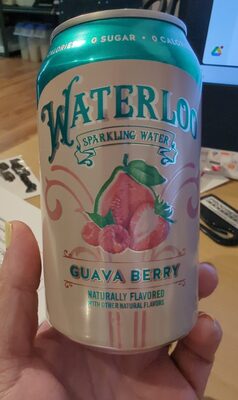 Waterloo Sparkling Water Guava Berry Waterloo · 12 fl oz Not ultra-processed · No sugar alcohols Score 100 out of 100 , 37 points higher
 -
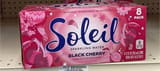 Black Berry Sparkling Water Soleil · 96 fl oz/2.84 L Not ultra-processed · No sugar alcohols Score 100 out of 100 , 37 points higher
 -
 Oulmes natural carbonated water Les eaux minérales d'Oulmès S.A. · 1 L Not ultra-processed · No sugar alcohols Score 100 out of 100 , 37 points higher
The same kind of product, at least 10 points higher, sold in the US. Never paid placements.
The Receipt
Sparkling Water Pitaya Berry Nect’r
Ingredients
- Erythritol minus 7.5 points
- Potassium benzoate minus 7.5 points
- Potassium sorbate minus 2.5 points
Processing
- Ultra-processed (NOVA 4) minus 18 points
- 2 kinds of ultra-processing markers minus 1.5 points
100 − 37 = 63
Nutrition per 100 ml
| Energy | 1 kcal |
|---|---|
| Fat | 0 g |
| Saturated fat | 0 g |
| Carbohydrates | 2.1 g |
| Sugars | 0 g |
| Added sugars | 0 g |
| Fiber | 0 g |
| Protein | 0 g |
| Salt | 0 g |
Serving: 1 CAN (355 ml)
Ingredients
- 8% 50% 50% 50% 50% 50% not a significant source of saturated fat (not recognized)
- trans fat (not recognized)
- cholest dietary fiber
- vitamin d
- calcium
- iron
- potassim. the % (not recognized)
- per can (like a cup of coffee) color provided by nature ngredients: carbonated water
- erythritol (moderate concern)
- citric acid
- us modified stovia extract (not recognized)
- potassium benzoate (preservation) pectia (moderate concern)
- sodium citrate
- vegetable juice (color)
- calicine (not recognized)
- potassium sorbate (preservative)
- fruit juice (color)
- natural lowe (not recognized)
- niacinamide
- d-calcium pantothenate
- garam s atract (not recognized)
- vitamin a palmitate
- pyridoxine hydrochloride
- cyanocobalamin. prepared by wis-pak int watertown
- wi 5304 drinkbubble.com (not recognized)
Label text, as published
includes og added sugars total su erythritol 70 protein og vitamin a 450 mcg niacin 8mg vitamin b6 0.85mg vitamin b12 1.2mcg pantothenic acid 2.5 mg 8% 50% 50% 50% 50% 50% not a significant source of saturated fat, trans fat, cholest dietary fiber, vitamin d, calcium, iron, and potassim. the % daily value (dv) tells you how much a nutrient in a ving of food contributes to a daily diet. 2,000 calories day is used for general nutrition advice. antioxidants 450 mcg of vitamin a 1 net carb or less per can ferythritol carbs have no impact to blood sugar or calories natural caffeine, 69mg per can (like a cup of coffee) color provided by nature ngredients: carbonated water, erythritol, citric acid, us modified stovia extract, potassium benzoate (preservation) pectia, sodium citrate, vegetable juice (color), calicine, potassium sorbate (preservative), fruit juice (color), natural lowe, niacinamide, d-calcium pantothenate, garam s atract, vitamin a palmitate, pyridoxine hydrochloride, cyanocobalamin. prepared by wis-pak int watertown, wi 5304 drinkbubble.com
Allergens and diets
- Palm-oil-free
Always check the package: recipes change.
More beverages on GoodSwap
-
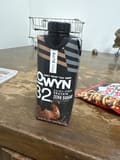 OWYN Pro Elite Dairy-Free Protein Chocolate Flavored OWYN · 330 mL Ultra-processedContains non-nutritive sweetenersContains seed oils Score 63 out of 100 Good
 -
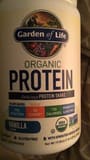 Organic Protein Delicious Protein Shake Garden of Life · 18.0 oz Ultra-processedHigh in saltContains non-nutritive sweetenersContains sugar alcohols Score 54 out of 100 Okay
 -
 Puna Coconut Pineapple Bai Ultra-processedContains non-nutritive sweetenersContains caffeine Score 69 out of 100 Good
 -
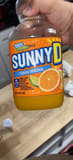 Orange Flavored Citrus Punch Sunny D · 64 fl oz/2 Quart/1.89 L Dye with an EU warning labelContains synthetic dyesUltra-processedContains non-nutritive sweeteners Score 10 out of 100 Bad
 -
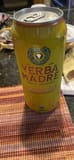 Awakening Orange Yerba Madre · 15.5 fl oz/458 mL Contains added sugarsContains caffeineCertified organic Score 58 out of 100 Okay
 -
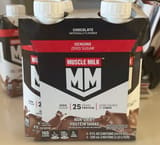 Muscle Milk Starbucks · 44 fl oz/1.32 L Ultra-processedContains non-nutritive sweetenersContains emulsifiers studied for gut effectsContains seed oils Score 37 out of 100 Poor
Sources
-
The artificial sweetener erythritol and cardiovascular event risk
“Our findings reveal that erythritol is both associated with incident MACE risk and fosters enhanced thrombosis. Studies assessing the long-term safety of erythritol are warranted.”
doi.org
-
Re-evaluation of erythritol (E 968) as a food additive (plain language summary)
“In all groups of people, both acute and chronic exposure to erythritol is above the newly set ADI.”
efsa.europa.eu
-
“By applying a default uncertainty factor of 100, the Panel established a group ADI expressed as 11 mg sorbic acid/kg bw per day for sorbic acid (E 200) and its potassium salt (E 202).”
doi.org
-
21 CFR 182.3640 Potassium sorbate
ecfr.gov
-
“Greater exposure to ultra-processed food was associated with a higher risk of adverse health outcomes, especially cardiometabolic, common mental disorder, and mortality outcomes.”
doi.org
-
Regulation (EU) No 1169/2011, Annex III point 2.4 (foods with more than 10 % added polyols)
“‘excessive consumption may produce laxative effects’.”
eur-lex.europa.eu