Beverages
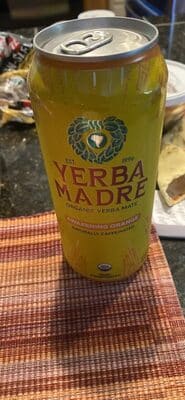
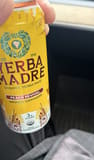
Yerba Madre Awakening Orange
15.5 fl oz/458 mL
Score
- Contains added sugars
- Contains caffeine
- Certified organic
Why it scores 58
Yerba Madre Awakening Orange scores 58 out of 100 (Okay) under GoodSwap’s published rules. What moved the score most:
- minus 20 points Sugar: An added sugar. Strong
- minus 12 points Sugars 5.9 g / 100 ml: Very high in sugar. Strong
- minus 8 points Processed (NOVA 3): Classified NOVA 3: processed with added salt, sugar or oil. Emerging
Every line of the math is on The Receipt below, with its evidence tier and sources.
The Receipt
Awakening Orange
Ingredients
- Sugar minus 20 points
- Natural flavors minus 2.5 points
- Caffeine minus 2.5 points
Processing
- Processed (NOVA 3) minus 8 points
Nutrition per 100 ml
- Sugars 5.9 g / 100 ml minus 12 points
- Energy 26 kcal / 100 ml minus 2 points
Bonuses
- Certified organic plus 5 points
100 − 42 = 58
Can’t score above 79. Contains sugar, an ingredient of high concern. [1][2][3]
Nutrition per 100 ml
| Energy | 26 kcal |
|---|---|
| Fat | 0 g |
| Carbohydrates | 6.3 g |
| Sugars | 5.9 g |
| Added sugars | 5.9 g |
| Protein | 0.2 g |
| Salt | 0 g |
Serving: 458 g
Ingredients
- PURIFIED WATER
- ORGANIC CANE SUGAR (high concern)
- ORGANIC ORANGE JUICE CONCENTRATE
- ORGANIC YERBA MATE EXTRACT
- ORGANIC BREWED YERBA MATE AND ORANGE PEEL (PURIFIED WATER, ORGANIC YERBA MATE, ORGANIC ORANGE PEEL)
- ORGANIC LIME JUICE
- CITRIC ACID
- ORGANIC ORANGE NATURAL FLAVOR
- ORGANIC TANGERINE EXTRACT
- ORGANIC CAFFEINE
Label text, as published
PURIFIED WATER, ORGANIC CANE SUGAR*, ORGANIC ORANGE JUICE CONCENTRATE, ORGANIC YERBA MATE EXTRACT*, ORGANIC BREWED YERBA MATE AND ORANGE PEEL (PURIFIED WATER, ORGANIC YERBA MATE*, ORGANIC ORANGE PEEL), ORGANIC LIME JUICE, CITRIC ACID, ORGANIC ORANGE NATURAL FLAVOR, ORGANIC TANGERINE EXTRACT, ORGANIC CAFFEINE.
Allergens and diets
- Palm-oil-free
Always check the package: recipes change.
More beverages on GoodSwap
-
 OWYN Pro Elite Dairy-Free Protein Chocolate Flavored OWYN · 330 mL Ultra-processedContains non-nutritive sweetenersContains seed oils Score 63 out of 100 Good
 -
 Organic Protein Delicious Protein Shake Garden of Life · 18.0 oz Ultra-processedHigh in saltContains non-nutritive sweetenersContains sugar alcohols Score 54 out of 100 Okay
 -
 Puna Coconut Pineapple Bai Ultra-processedContains non-nutritive sweetenersContains caffeine Score 69 out of 100 Good
 -
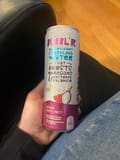 Sparkling Water Pitaya Berry Nect’r Bubbl’r antioxidant sparkling water · 12 fl oz/355 mL Ultra-processedContains sugar alcoholsNo synthetic dyes Score 63 out of 100 Good
 -
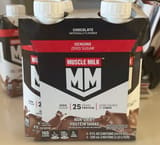 Muscle Milk Starbucks · 44 fl oz/1.32 L Ultra-processedContains non-nutritive sweetenersContains emulsifiers studied for gut effectsContains seed oils Score 37 out of 100 Poor
 -
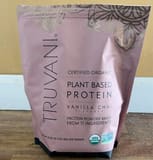 Plant Based Protein Vanilla Chai Truvani · 21.59 oz/1.35 lb/612 g Ultra-processedContains non-nutritive sweetenersCertified organicContains whole grains Score 72 out of 100 Good
More from Yerba Madre
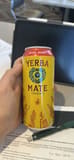
Sources
-
Guideline: sugars intake for adults and children
“In both adults and children, WHO recommends reducing the intake of free sugars to less than 10% of total energy intake”
who.int
-
Dietary Guidelines for Americans, 2025–2030
“Limit foods and beverages that include artificial flavors, petroleum-based dyes, artificial preservatives, and low-calorie non-nutritive sweeteners.”
cdn.realfood.gov
-
Added and free sugars should be as low as possible
“Sugar consumption is a known cause of dental caries.”
efsa.europa.eu
-
21 CFR 101.22 Foods; labeling of spices, flavorings, colorings and chemical preservatives
“whose significant function in food is flavoring rather than nutritional.”
ecfr.gov
-
Spilling the Beans: How Much Caffeine is Too Much?
“For most adults, the FDA has cited 400 milligrams* a day — that's about two to three 12-fluid-ounce cups of coffee — as an amount not generally associated with negative effects.”
fda.gov
-
Caffeine (EFSA topic page; Scientific Opinion on the safety of caffeine, 2015)
“Caffeine intakes from all sources up to 200mg per day consumed throughout the day do not raise safety concerns for the foetus.”
efsa.europa.eu
-
7 CFR 205.102 Use of the term "organic" (National Organic Program)
“Any agricultural product that is sold, labeled, or represented as “100 percent organic,” “organic,” or “made with organic (specified ingredients or food group(s))” must be: (a) Produced in accordance with the requirements specified in § 205.101 or §§ 205.202 through 205.207”
ecfr.gov
-
Regulation (EU) No 1169/2011, Annex III point 4.1 (beverages with high caffeine content)
“‘High caffeine content. Not recommended for children or pregnant or breast-feeding women’”
eur-lex.europa.eu