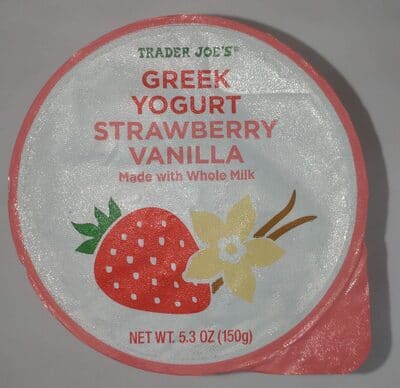
Strawberry yogurts
Trader Joe's Greek Yogurt Strawberry Vanilla
5.3 oz (150 g)
Score
- Ultra-processed
Why it scores 68
Trader Joe's Greek Yogurt Strawberry Vanilla scores 68 out of 100 (Good) under GoodSwap’s published rules. What moved the score most:
- minus 18 points Ultra-processed (NOVA 4): Classified NOVA 4: made with industrial ingredients and additives. Strong
- minus 3 points Added sugars 7.3 g / 100 g: Contains some sugar. Strong
- minus 2.5 points Natural flavors: "Natural flavor" is a legal category (21 CFR 101.22(a)(3)): flavor substances from spices, fruits, vegetables, meat, dairy or fermentation. Info
Every line of the math is on The Receipt below, with its evidence tier and sources.
Better yogurt
-
 Organic Greek Plain Whole Milk Yogurt Stonyfield · 1.9 lb Not ultra-processed · No pectin Score 100 out of 100 , 32 points higher
 -
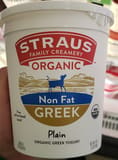 Plain Organic Greek Yogurt Straus Family Creamery · 32 oz Not ultra-processed · No pectin Score 100 out of 100 , 32 points higher
 -
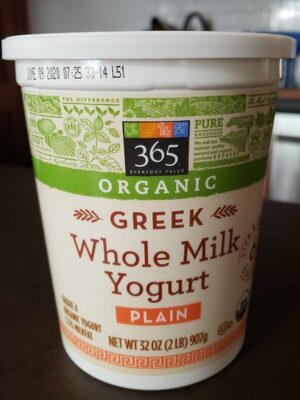 Greek Yogurt Plain 365 Whole Foods Market · 32 oz Not ultra-processed · No pectin Score 100 out of 100 , 32 points higher
 -
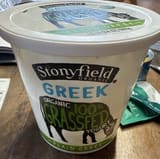 Organic Plain Grassfed Greek Yogurt Stonyfield Organic · 24 oz Not ultra-processed · No pectin Score 100 out of 100 , 32 points higher
 -
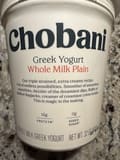 Greek Yogurt Whole Milk Plain Chobani · 907 g (32 oz) Not ultra-processed · No pectin Score 100 out of 100 , 32 points higher
The same kind of product, at least 10 points higher, sold in the US. Never paid placements.
The Receipt
Greek Yogurt Strawberry Vanilla
Ingredients
- Natural flavors minus 2.5 points
- Pectin minus 2.5 points
- Locust bean gum minus 2.5 points
Processing
- Ultra-processed (NOVA 4) minus 18 points
- 2 kinds of ultra-processing markers minus 1.5 points
Nutrition per 100 g
- Added sugars 7.3 g / 100 g minus 3 points
- Saturated fat 4.7 g / 100 g minus 2.5 points
100 − 32.5 = 67.5 → 68
Nutrition per 100 g
| Energy | 133 kcal |
|---|---|
| Fat | 7.3 g |
| Saturated fat | 4.7 g |
| Trans fat | 0 g |
| Carbohydrates | 12.7 g |
| Sugars | 10.7 g |
| Added sugars | 7.3 g |
| Fiber | 0 g |
| Protein | 3.3 g |
| Salt | 0.1 g |
Serving: 1 portion (150 g)
Ingredients
- GRADE A PASTEURIZED MILK (SKIM MILK, CREAM)
- STRAWBERRY VANILLA BASE CANE SIGR BARBRES WATER MODIFIED CORNSTARCH (not recognized)
- NATURAL FLAVOR
- VANILLA EXTRACT WATER ETHYLALOH LA BEAN EXTRACTIVES)
- PECTIN
- LOCUST BEAN GUM
- CITRIC ACID (ACIDIFIERI, FRUIT AND VEE E FOR COLOR, LIVE ACTIVE CULTURES)
Label text, as published
GRADE A PASTEURIZED MILK (SKIM MILK, CREAM), STRAWBERRY VANILLA BASE CANE SIGR BARBRES WATER MODIFIED CORNSTARCH, NATURAL FLAVOR, VANILLA EXTRACT WATER ETHYLALOH LA BEAN EXTRACTIVES), PECTIN, LOCUST BEAN GUM, CITRIC ACID (ACIDIFIERI, FRUIT AND VEE E FOR COLOR, LIVE ACTIVE CULTURES (BIFIDOBACTERIUM LACTIS, LACTOBACILLUS ADDOPHUS ROSS L PARACASE, STREPTOCOCCUS THERMOPHILUS). CONTAINS MILK
Allergens and diets
Contains: Milk
- Not vegan
Always check the package: recipes change.
More strawberry yogurts on GoodSwap
-
 STRAWBERRY simple ingredient skyr Siggi's Ultra-processedContains added sugars Score 59 out of 100 Okay
 -
 Yogurt with Strawberry FAGE Total Ultra-processedContains added sugars Score 54 out of 100 Okay
 -
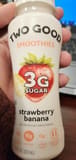 Two Good Smoothie Drinks - Strawberry Banana Two Good · 207 mL Ultra-processedContains non-nutritive sweeteners Score 70 out of 100 Good
 -
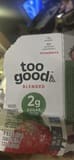 Too Good & Co. Blended Strawberry Too Good & Co. Ultra-processedContains non-nutritive sweetenersNo synthetic dyes Score 72 out of 100 Good
 -
 STRAWBERRY flavor yogurt Siggi's Ultra-processedContains non-nutritive sweeteners Score 71 out of 100 Good
 -
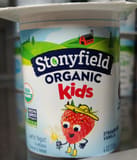 Organic Kids Strawberry Vanilla Lowfat Yogurt Cup Stonyfield · 4 oz Ultra-processedContains added sugarsCertified organicNo synthetic dyes Score 59 out of 100 Okay
More from Trader Joe's
-
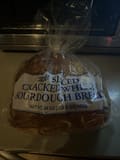 Cracked Wheat Sourdough Bread Trader Joe's · 24 oz Score 86 out of 100 Excellent
 -
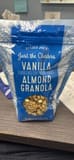 Vanilla Almond Granola Trader Joe's · 16 oz Score 22 out of 100 Poor
 -
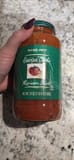 Roasted Garlic Marinara Sauce Trader Joe's · 680 g Score 35 out of 100 Poor
 -
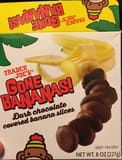 Dark chocolate covered banana slices Trader Joe's · 8 oz Score 39 out of 100 Poor
Sources
-
21 CFR 101.22 Foods; labeling of spices, flavorings, colorings and chemical preservatives
“whose significant function in food is flavoring rather than nutritional.”
ecfr.gov
-
Guideline: sugars intake for adults and children
“In both adults and children, WHO recommends reducing the intake of free sugars to less than 10% of total energy intake”
who.int
-
Saturated fatty acid and trans-fatty acid intake for adults and children: WHO guideline
“WHO recommends that adults and children reduce saturated fatty acid intake to 10% of total energy intake (strong recommendation).”
who.int
-
“Greater exposure to ultra-processed food was associated with a higher risk of adverse health outcomes, especially cardiometabolic, common mental disorder, and mortality outcomes.”
doi.org