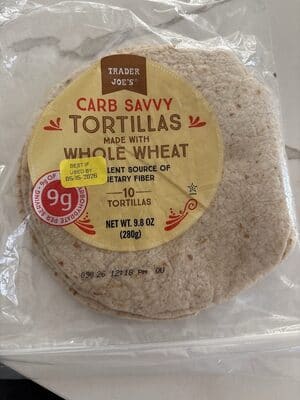
Wheat flatbreads
Trader Joe's Carb Savvy Tortillas
280 g (10 × 28 g)
Score
- Ultra-processed
- Contains palm oil
- Seed-oil free
- Contains whole grains
Why it scores 71
Trader Joe's Carb Savvy Tortillas scores 71 out of 100 (Good) under GoodSwap’s published rules. What moved the score most:
- minus 18 points Ultra-processed (NOVA 4): Classified NOVA 4: made with industrial ingredients and additives. Strong
- plus 4 points Fiber 21.4 g / 100 g: A good source of fiber. Strong
- minus 3 points 3 kinds of ultra-processing markers: Industrial additive classes found: emulsifier, industrial protein and thickener, stabilizer or gelling agent. Emerging
Every line of the math is on The Receipt below, with its evidence tier and sources.
Better tortillas and wraps
-
 Corn/Maiz Tortillas El Milagro · 10 oz Not ultra-processed · No palm oil Score 100 out of 100 , 29 points higher
 -
 Corn Tortilla Trader Joe's · 12 oz Not ultra-processed · No palm oil Score 100 out of 100 , 29 points higher
 -
 Corn tortillas El Molino · 24 oz Not ultra-processed · No palm oil Score 100 out of 100 , 29 points higher
 -
 Flour tortillas La Fe Tortilleria Not ultra-processed · No palm oil Score 100 out of 100 , 29 points higher
 -
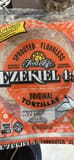 Ezekiel 4:9 Original Tortillas Food For Life · 340 g Not ultra-processed · No palm oil Score 100 out of 100 , 29 points higher
The same kind of product, at least 10 points higher, sold in the US. Never paid placements.
The Receipt
Carb Savvy Tortillas
Ingredients
- Wheat gluten minus 2.5 points
- Palm oil minus 2.5 points
- Soy lecithin minus 2.5 points
- Sodium alginate minus 1.5 points
- Guar gum minus 1.5 points
- Sodium acid pyrophosphate minus 1.5 points
- Calcium phosphate minus 0.5 points
Processing
- Ultra-processed (NOVA 4) minus 18 points
- 3 kinds of ultra-processing markers minus 3 points
Nutrition per 100 g
- Salt 0.3 g / 100 g minus 1 points
- Energy 161 kcal / 100 g minus 1 points
- Fiber 21.4 g / 100 g plus 4 points
- Protein 10.7 g / 100 g plus 2 points
100 − 29.5 = 70.5 → 71
Nutrition per 100 g
| Energy | 161 kcal |
|---|---|
| Fat | 5.4 g |
| Saturated fat | 0 g |
| Trans fat | 0 g |
| Carbohydrates | 32.1 g |
| Sugars | 0 g |
| Added sugars | 0 g |
| Fiber | 21.4 g |
| Protein | 10.7 g |
| Salt | 0.3 g |
Serving: 1 tortilla (28 g)
Ingredients
- Water
- wheat fiber
- wheat gluten
- whole wheat flour
- cultured wheat flour (cultured wheat flour, avocad0 oil, oat fiber, organic apple cider vinegar, wheat bran, citric acid (acidifier), palm oil, deactivated yeast, salt, soy lecithin, sodium alginate, guar gum, sodium bicarbonate, sodium acid pyrophosphate, cornstarch, monocalcium phosphate)
Label text, as published
Water, wheat fiber, wheat gluten, whole wheat flour, cultured wheat flour (cultured wheat flour [to preservej, distilled vinegar), avocad0 oil, contains 2% or less of oat fiber, organic apple cider vinegar, wheat bran, citric acid (acidifier), palm oil, deactivated yeast, salt, soy lecithin, sodium alginate, guar gum, sodium bicarbonate, sodium acid pyrophosphate, cornstarch, monocalcium phosphate,
Allergens and diets
Contains: Soy, Wheat, Gluten
- Vegan
- Vegetarian
- Not gluten-free
- Not palm-oil-free
Always check the package: recipes change.
More wheat flatbreads on GoodSwap
-
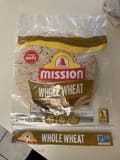 Whole Wheat Original Mission · 10 Tortilla Wraps (16 oz) (453 g) Ultra-processedHigh in saltContains emulsifiers studied for gut effectsContains seed oils Score 58 out of 100 Okay
 -
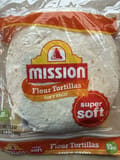 Flour Tortillas Soft Taco Mission · 17.5 oz Ultra-processedHigh in saltContains added sugarsContains emulsifiers studied for gut effects Score 44 out of 100 Okay
 -
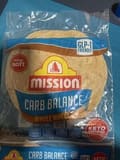 Carb Balance Whole Wheat Mission · 8 tortilla wraps 12 oz (340 g) Ultra-processedContains non-nutritive sweetenersContains emulsifiers studied for gut effectsSeed-oil free Score 38 out of 100 Poor
 -
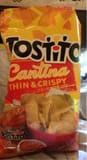 Tostitos Cantina Thin & Crispy Tostitos · 10 oz/283.5 g Contains seed oilsNo additives Score 78 out of 100 Good
 -
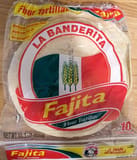 Fajita Flour Tortillas La Banderita · 11.3 oz Ultra-processedContains emulsifiers studied for gut effectsContains palm oilSeed-oil free Score 53 out of 100 Okay
 -
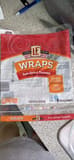 WRAPS Sun-Dried Tomato L'oven Fresh · 15 oz Ultra-processedContains emulsifiers studied for gut effectsContains seed oilsContains palm oil Score 50 out of 100 Okay
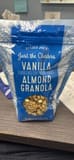
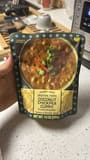
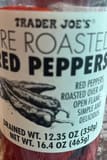
More from Trader Joe's
Sources
-
Saturated fatty acid and trans-fatty acid intake for adults and children: WHO guideline
“WHO recommends that adults and children reduce saturated fatty acid intake to 10% of total energy intake (strong recommendation).”
who.int
-
Process contaminants in vegetable oils and foods
“The highest levels of GE, as well as 3-MCPD and 2-MCPD (including esters) were found in palm oils and palm fats, followed by other oils and fats.”
efsa.europa.eu
-
“Glycidyl fatty acid esters, expressed as glycidol”
eur-lex.europa.eu
-
EFSA issues new advice on phosphates
“We estimated that dietary exposure to phosphates may exceed the new ADI for infants, toddlers and children with average consumption of phosphates in their diet.”
efsa.europa.eu
-
“For adults, WHO recommends less than 2000 mg/day of sodium (equivalent to less than 5 g/day salt), or just under a teaspoon.”
who.int
-
Dietary Guidelines for Americans, 2025–2030
“Limit foods and beverages that include artificial flavors, petroleum-based dyes, artificial preservatives, and low-calorie non-nutritive sweeteners.”
cdn.realfood.gov
-
“Greater exposure to ultra-processed food was associated with a higher risk of adverse health outcomes, especially cardiometabolic, common mental disorder, and mortality outcomes.”
doi.org