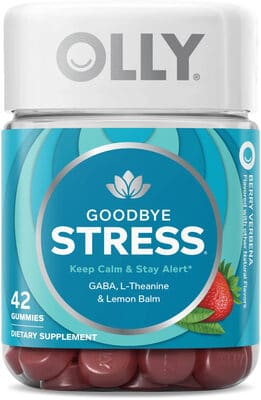
Dietary supplements
Olly Goodbye Stress
42 ct
Score
- Contains added sugars
- Contains seed oils
- No synthetic dyes
Why it scores 73
Olly Goodbye Stress scores 73 out of 100 (Good) under GoodSwap’s published rules. What moved the score most:
- minus 12 points Corn syrup: An added sugar. Strong
- minus 12 points Sugar: An added sugar. Strong
- minus 1 points Natural flavors: "Natural flavor" is a legal category (21 CFR 101.22(a)(3)): flavor substances from spices, fruits, vegetables, meat, dairy or fermentation. Info
Every line of the math is on The Receipt below, with its evidence tier and sources.
The Receipt
Goodbye Stress
Ingredients
- Corn syrup minus 12 points
- Sugar minus 12 points
- Natural flavors minus 1 points
- Pectin minus 0.5 points
- Vegetable oil (unspecified) minus 0.5 points
- Canola oil minus 0.5 points
- Carnauba wax minus 0.5 points
100 − 27 = 73
Nutrition per 100 g
| Added sugars | 77.3 g |
|---|
Serving: 2 Gummies
Ingredients
- Glucose Syrup (high concern)
- Sugar (high concern)
- Water
- Gelatin
- Natural Flavor
- Citric Acid
- Fruit and Vegetable Juice (Color)
- Pectin
- Vegetable Oil (coconut, canola)
- Carnauba Wax (to prevent sticking)
Label text, as published
Glucose Syrup, Sugar, Water, Gelatin, Natural Flavor, Citric Acid, Fruit and Vegetable Juice (Color), Pectin, Vegetable Oil (coconut, canola), Carnauba Wax (to prevent sticking)
Allergens and diets
Contains: Tree nuts
- Not vegan
- Not vegetarian
- Palm-oil-free
Always check the package: recipes change.
More dietary supplements on GoodSwap
-
 Organic Supergreens Fruits & Vegetables Zena Greens Contains non-nutritive sweetenersContains caffeineCertified organicContains whole grains Score 95 out of 100 Excellent
 -
 Super Orange Flavored Fizzy Drink Mix Emergen-C · 9.1 g Contains added sugarsNo synthetic dyes Score 86 out of 100 Excellent
 -
 Greens and superfoods Bloom · 10.24 oz Contains non-nutritive sweetenersContains caffeineContains whole grains Score 97 out of 100 Excellent
 -
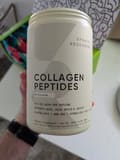 Collagen Peptides Sports Research · 16 oz Score 99 out of 100 Excellent
 -
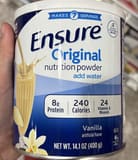 Nutrition powder Ensure original · 14.1 unit Contains added sugarsContains seed oilsContains artificial flavorsNo synthetic dyes Score 71 out of 100 Good
 -
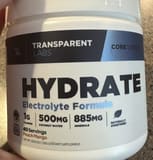 Hydrate Electrolyte Formula Transparent Labs · 320 g Contains non-nutritive sweetenersNo synthetic dyes Score 97 out of 100 Excellent
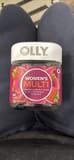
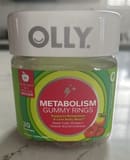
More from Olly
Sources
-
Guideline: sugars intake for adults and children
“In both adults and children, WHO recommends reducing the intake of free sugars to less than 10% of total energy intake”
who.int
-
Dietary Guidelines for Americans, 2025–2030
“Limit foods and beverages that include artificial flavors, petroleum-based dyes, artificial preservatives, and low-calorie non-nutritive sweeteners.”
cdn.realfood.gov
-
Added and free sugars should be as low as possible
“Sugar consumption is a known cause of dental caries.”
efsa.europa.eu
-
21 CFR 101.22 Foods; labeling of spices, flavorings, colorings and chemical preservatives
“whose significant function in food is flavoring rather than nutritional.”
ecfr.gov
-
“replacement of saturated fat in the diet with linoleic acid effectively lowers serum cholesterol but does not support the hypothesis that this translates to a lower risk of death from coronary heart disease or all causes.”
doi.org
-
“These data provide support for current recommendations to replace saturated fat with polyunsaturated fat for primary prevention of CHD.”
doi.org