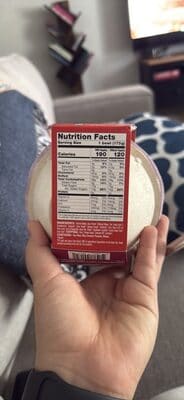
Beverage preparations
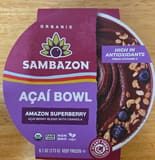
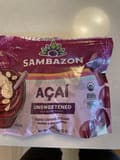
Sambazon Açaí Bowl Berry Bliss
6.1 oz/173 g
Score
- Ultra-processed
- Contains seed oils
- Certified organic
- No synthetic dyes
Why it scores 73
Sambazon Açaí Bowl Berry Bliss scores 73 out of 100 (Good) under GoodSwap’s published rules. What moved the score most:
- minus 18 points Ultra-processed (NOVA 4): Classified NOVA 4: made with industrial ingredients and additives. Strong
- minus 5 points Sugars 9.8 g / 100 g: High in sugar. Strong
- plus 5 points Certified organic: Carries a certified-organic label. Info
Every line of the math is on The Receipt below, with its evidence tier and sources.
Better frozen fruit
-
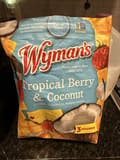 Tropical Berry & Coconut Wyman's · 3 lb Not ultra-processed · No seed oils Score 100 out of 100 , 27 points higher
 -
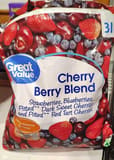 Cherry Berry Blend Great Value · 48 oz Not ultra-processed · No seed oils Score 100 out of 100 , 27 points higher
 -
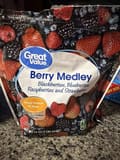 Berry Medley Blackberries, Blueberries, Strawberries and Raspberries Great Value · 16 oz Not ultra-processed · No seed oils Score 100 out of 100 , 27 points higher
 -
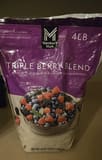 Triple Berry Blend Member's Mark · 64 oz Not ultra-processed · No seed oils Score 100 out of 100 , 27 points higher
 -
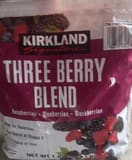 Three Berry Blend Kirkland Signature · 4 lb Not ultra-processed · No seed oils Score 100 out of 100 , 27 points higher
The same kind of product, at least 10 points higher, sold in the US. Never paid placements.
The Receipt
Açaí Bowl Berry Bliss
Ingredients
- Sunflower oil minus 2.5 points
- Locust bean gum minus 2.5 points
- Guar gum minus 2.5 points
Processing
- Ultra-processed (NOVA 4) minus 18 points
- 2 kinds of ultra-processing markers minus 1.5 points
Nutrition per 100 g
- Sugars 9.8 g / 100 g minus 5 points
Bonuses
- Certified organic plus 5 points
100 − 27 = 73
Nutrition per 100 g
| Energy | 110 kcal |
|---|---|
| Fat | 2 g |
| Saturated fat | 0.9 g |
| Trans fat | 0 g |
| Carbohydrates | 23.7 g |
| Sugars | 9.8 g |
| Added sugars | 8.1 g |
| Fiber | 1.7 g |
| Protein | 1.7 g |
| Salt | 0 g |
Serving: 1 bowl (173 g)
Ingredients
- FAIR TRADE ACAI PUREE1+ (FILTERED WATER, ORGANIC ACAI1)
- FILTERED WATER
- STRAWBERRIES1 (not recognized)
- BANANAS1 (not recognized)
- TAPIOCA SYRUP1
- CANE SYRUP1+ (not recognized)
- ERYTHRITOL1 (not recognized)
- CITRIC ACID
- FRUIT & VEGETABLE JUICE (FOR COLOR)
- SUNFLOWER LECITHIN1
- PROBIOTIC (BACILLUS COAGULANS GBI-30 6086)
- LOCUST BEAN GUM1
- GUAR GUM1
- TOPPINGS: OATS1 (not recognized)
- BROWN SUGAR1 (not recognized)
- COCONUT OIL1
- CASHEWS1 (not recognized)
Label text, as published
FAIR TRADE ACAI PUREE1+ (FILTERED WATER, ORGANIC ACAI1), FILTERED WATER, STRAWBERRIES1, BANANAS1, TAPIOCA SYRUP1, CANE SYRUP1+, ERYTHRITOL1, LESS THAN 0.5% OF: CITRIC ACID, FRUIT & VEGETABLE JUICE (FOR COLOR), SUNFLOWER LECITHIN1, PROBIOTIC (BACILLUS COAGULANS GBI-30 6086), LOCUST BEAN GUM1, GUAR GUM1. TOPPINGS: OATS1, BROWN SUGAR1, COCONUT OIL1, CASHEWS1.
Allergens and diets
Contains: Tree nuts
- Vegan
- Vegetarian
- Palm-oil-free
Always check the package: recipes change.
More beverage preparations on GoodSwap
- Starbucks Frappuccino Coffee Mocha 9.5 Fl Oz Glass Bottle Starbucks Ultra-processedContains added sugarsContains caffeine Score 55 out of 100 Okay
-
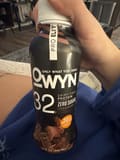 Dairy-Free Protein Zero Sugar Chocolate OWYN · 12 fl oz Ultra-processedContains non-nutritive sweetenersContains seed oils Score 63 out of 100 Good
 - Energy Liquid Water Enhancer, Black Cherry Mio · 1.62 fl oz/48 mL Dye with an EU warning labelContains synthetic dyesUltra-processedContains non-nutritive sweeteners Score 33 out of 100 Poor
-
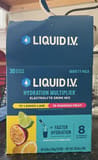 Electrolyte drink mix Liquid I.V. · 16.93 oz Ultra-processedHigh in sugarHigh in saltContains non-nutritive sweeteners Score 7 out of 100 Bad
 -
 Hot Cocoa Mix Milk Chocolate Great Value · 6.35 oz/178 g Ultra-processedHigh in sugarHigh in saltHigh in saturated fat Score 0 out of 100 Bad
 -
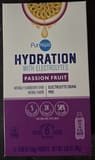 Hydration with Electrolytes Passion Fruit PurAqua · 13 g Ultra-processedHigh in sugarHigh in saltContains added sugars Score 6 out of 100 Bad
More from Sambazon
Sources
-
“replacement of saturated fat in the diet with linoleic acid effectively lowers serum cholesterol but does not support the hypothesis that this translates to a lower risk of death from coronary heart disease or all causes.”
doi.org
-
“These data provide support for current recommendations to replace saturated fat with polyunsaturated fat for primary prevention of CHD.”
doi.org
-
Guideline: sugars intake for adults and children
“In both adults and children, WHO recommends reducing the intake of free sugars to less than 10% of total energy intake”
who.int
-
7 CFR 205.102 Use of the term "organic" (National Organic Program)
“Any agricultural product that is sold, labeled, or represented as “100 percent organic,” “organic,” or “made with organic (specified ingredients or food group(s))” must be: (a) Produced in accordance with the requirements specified in § 205.101 or §§ 205.202 through 205.207”
ecfr.gov
-
“Greater exposure to ultra-processed food was associated with a higher risk of adverse health outcomes, especially cardiometabolic, common mental disorder, and mortality outcomes.”
doi.org