Lemonades
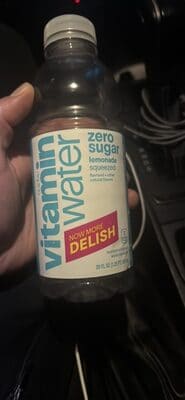
Vitaminwater Zero Sugar Lemonade Squeezed
Score
- Ultra-processed
- Contains non-nutritive sweeteners
- Contains sugar alcohols
Why it scores 59
Vitaminwater Zero Sugar Lemonade Squeezed scores 59 out of 100 (Okay) under GoodSwap’s published rules. What moved the score most:
- minus 18 points Ultra-processed (NOVA 4): Classified NOVA 4: made with industrial ingredients and additives. Strong
- minus 7.5 points Erythritol: A 2023 study linked higher blood erythritol to cardiovascular events and found it increased clotting activity; long-term safety studies are warranted. Strong
- minus 6 points 5 kinds of ultra-processing markers: Industrial additive classes found: emulsifier, flavoring, non-nutritive sweetener, sugar alcohol (polyol) and thickener, stabilizer or gelling agent. Emerging
Every line of the math is on The Receipt below, with its evidence tier and sources.
The Receipt
Zero Sugar Lemonade Squeezed
Ingredients
- Erythritol minus 7.5 points
- Calcium phosphate minus 2.5 points
- Gum arabic (acacia) minus 2.5 points
- Phosphoric acid minus 1.5 points
- Stevia (steviol glycosides) minus 1.5 points
- Natural flavors minus 1.5 points
- Glycerol ester of rosin (ester gum) minus 0.5 points
Processing
- Ultra-processed (NOVA 4) minus 18 points
- 5 kinds of ultra-processing markers minus 6 points
100 − 41.5 = 58.5 → 59
Nutrition per 100 ml
| Energy | 0 kcal |
|---|---|
| Fat | 0 g |
| Saturated fat | 0 g |
| Carbohydrates | 0.9 g |
| Sugars | 0 g |
| Added sugars | 0 g |
| Protein | 0 g |
| Salt | 0 g |
Serving: 591.0g
Ingredients
- REVERSE OSMOSIS WATER
- ERYTHRITOL (moderate concern)
- CITRIC ACID
- CALCIUM PHOSPHATE
- MAGNESIUM LACTATE AND CALCIUM LACTATE AND POTASSIUM PHOSPHATE (ELECTROLYTE SOURCE)
- GUM ACACIA
- PHOSPHORIC ACID
- VITAMIN C (ASCORBIC ACID)
- STEVIA LEAF EXTRACT
- NATURAL FLAVORS
- ZINC GLUCONATE
- GLYCEROL ESTER OF ROSIN
- VITAMIN B5 (CALCIUM PANTOTHENATE)
- VITAMIN E (ALPHA-TOCOPHERYL ACETATE)
- VITAMIN B6 (PYRIDOXINE HYDROCHLORIDE)
- VITAMIN A PALMITATE
Label text, as published
REVERSE OSMOSIS WATER, LESS THAN 1% OF: ERYTHRITOL, CITRIC ACID, CALCIUM PHOSPHATE, MAGNESIUM LACTATE AND CALCIUM LACTATE AND POTASSIUM PHOSPHATE (ELECTROLYTE SOURCE), GUM ACACIA, PHOSPHORIC ACID, VITAMIN C (ASCORBIC ACID), STEVIA LEAF EXTRACT, NATURAL FLAVORS, ZINC GLUCONATE, GLYCEROL ESTER OF ROSIN, VITAMIN B5 (CALCIUM PANTOTHENATE), VITAMIN E (ALPHA-TOCOPHERYL ACETATE), VITAMIN B6 (PYRIDOXINE HYDROCHLORIDE), VITAMIN A PALMITATE.
Allergens and diets
- Palm-oil-free
Always check the package: recipes change.
Packaging
Pet 1 polyethylene terephthalate
Context only: no points in v1.
More lemonades on GoodSwap
-
 Simply Lemonade Simply · 52.0 fl oz Ultra-processedHigh in sugarContains added sugarsNo additives Score 42 out of 100 Okay
 -
 Simply Lemonade with Raspberry Simply · 52 oz Ultra-processedContains added sugarsNo additives Score 45 out of 100 Okay
 -
 Organic Strawberry Lemonade Grown Right Ultra-processedHigh in sugarContains added sugarsCertified organic Score 40 out of 100 Okay
 -
 Diet Half & Half Iced Tea Lemonade Arizona · 128 fl oz Ultra-processedContains non-nutritive sweeteners Score 67 out of 100 Good
 -
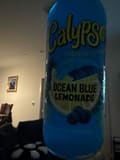 Ocean blue lemonade 16 fl oz Calypso · 473 mL Contains synthetic dyesUltra-processedContains added sugars Score 28 out of 100 Poor
 -
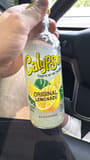 Lemonade, Original Calypso · 473 mL Contains added sugarsNo synthetic dyes Score 34 out of 100 Poor
More from Vitaminwater
-
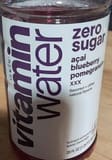 Acai Blueberry Pomegranate Nutrient Enhanced Water Beverage Vitaminwater Score 72 out of 100 Good
 -
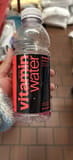 Vitamin Water Dragonfruit Power-C Vitaminwater · 20 fl oz Score 23 out of 100 Poor
 -
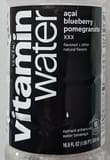 Vitaminwater Acai Blueberry Pomegranate Vitaminwater · 16.9 fl oz Score 23 out of 100 Poor
 -
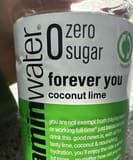 Vitamin Water Forever You Coconut Lime Vitaminwater · 20 fl oz Score 72 out of 100 Good
Sources
-
The artificial sweetener erythritol and cardiovascular event risk
“Our findings reveal that erythritol is both associated with incident MACE risk and fosters enhanced thrombosis. Studies assessing the long-term safety of erythritol are warranted.”
doi.org
-
Re-evaluation of erythritol (E 968) as a food additive (plain language summary)
“In all groups of people, both acute and chronic exposure to erythritol is above the newly set ADI.”
efsa.europa.eu
-
EFSA issues new advice on phosphates
“We estimated that dietary exposure to phosphates may exceed the new ADI for infants, toddlers and children with average consumption of phosphates in their diet.”
efsa.europa.eu
-
WHO advises not to use non-sugar sweeteners for weight control in newly released guideline
“The recommendation is based on the findings of a systematic review of the available evidence which suggests that use of NSS does not confer any long-term benefit in reducing body fat in adults or children.”
who.int
-
Dietary Guidelines for Americans, 2025–2030
“Limit foods and beverages that include artificial flavors, petroleum-based dyes, artificial preservatives, and low-calorie non-nutritive sweeteners.”
cdn.realfood.gov
-
21 CFR 101.22 Foods; labeling of spices, flavorings, colorings and chemical preservatives
“whose significant function in food is flavoring rather than nutritional.”
ecfr.gov
-
“Greater exposure to ultra-processed food was associated with a higher risk of adverse health outcomes, especially cardiometabolic, common mental disorder, and mortality outcomes.”
doi.org
-
Regulation (EU) No 1169/2011, Annex III point 2.4 (foods with more than 10 % added polyols)
“‘excessive consumption may produce laxative effects’.”
eur-lex.europa.eu