Jams
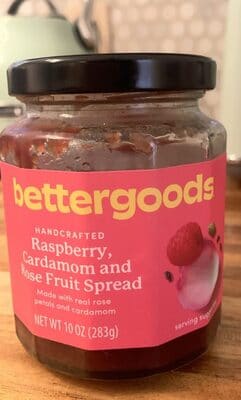
Bettergoods Raspberry, Cardamom and Rose Fruit Spread
10 oz
Score
- Ultra-processed
- Contains added sugars
- Contains palm oil
- Seed-oil free
Why it scores 57
Bettergoods Raspberry, Cardamom and Rose Fruit Spread scores 57 out of 100 (Okay) under GoodSwap’s published rules. What moved the score most:
- minus 20 points Sugar: An added sugar. Strong
- minus 18 points Ultra-processed (NOVA 4): Classified NOVA 4: made with industrial ingredients and additives. Strong
- minus 2.5 points Palm oil: About half saturated fat; WHO recommends keeping saturated fat to 10% of energy or less. Strong
Every line of the math is on The Receipt below, with its evidence tier and sources.
Better jams, jellies and fruit spreads
-
 Major Dickinson’s Blend Peet's Coffee Not ultra-processed · No added sugars Score 100 out of 100 , 43 points higher
 -
 Herbal Grass Jelly Companion · 19 oz Not ultra-processed · No added sugars Score 94 out of 100 , 37 points higher
 -
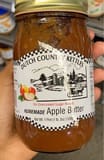 Homemade apple butter Dutch Country Kettles Not ultra-processed · No added sugars Score 92 out of 100 , 35 points higher
 -
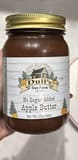 no sugar added Apple Butter Dull’s · 17 oz Not ultra-processed · No added sugars Score 100 out of 100 , 43 points higher
 -
 Marine Collagen Nature's Answer · 5.5 g Not ultra-processed · No added sugars Score 100 out of 100 , 43 points higher
The same kind of product, at least 10 points higher, sold in the US. Never paid placements.
The Receipt
Raspberry, Cardamom and Rose Fruit Spread
Ingredients
- Sugar minus 20 points
- Palm oil minus 2.5 points
- Pectin minus 2.5 points
Processing
- Ultra-processed (NOVA 4) minus 18 points
Nutrition
- Nutrition facts unavailable no points
100 − 43 = 57
Can’t score above 79. Contains sugar, an ingredient of high concern. [1][2][3]
Can’t score above 79. No nutrition facts on file, so we can't confirm excellent.
Ingredients
- RoSE PETALS
- GROUND CARDAMOM
- RASPBERRY FLAVOR
- CITRIC ACID
- RASPBERRIES
- WATER
- CANE SUGAR (high concern)
- LEMON JUICE
- PALM OIL
- PEANUTS
- WHEAT
- SOY
- SESAME
- TRACES OF MILK
- EGGS
- ANCHOVIES
- ALMONDS
- COCONUT
- pectin
Label text, as published
RoSE PETALS, GROUND CARDAMOM, RASPBERRY FLAVOR, CITRIC ACID, RASPBERRIES, WATER, CANE SUGAR, LEMON JUICE, PALM OIL, PEANUTS, WHEAT, SOY, SESAME. TRACES OF MILK, EGGS, ANCHOVIES, ALMONDS, COCONUT, pectin
Allergens and diets
Contains: Milk, Peanuts, Tree nuts, Soy, Wheat, Gluten, Egg, Fish, Sesame
- Not vegan
- Not vegetarian
- Not gluten-free
- Not palm-oil-free
Always check the package: recipes change.
More jams on GoodSwap
-
 Concord Grape Jelly Welch's · 1 Ultra-processedHigh in sugarContains added sugars Score 23 out of 100 Poor
 -
 Fig Butter Trader Joe's · 11 oz Ultra-processedHigh in sugarContains added sugars Score 45 out of 100 Okay
 -
 Wonder Welch's · 5 oz Dye with an EU warning labelContains synthetic dyesUltra-processedHigh in sugar Score 10 out of 100 Bad
 -
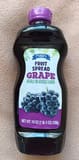 Fruit spread grape Pampa · 19 oz Dye with an EU warning labelContains synthetic dyesUltra-processedHigh in sugar Score 14 out of 100 Bad
 -
 Strawberry Jelly Smucker's · 510 g Ultra-processedHigh in sugarContains added sugars Score 22 out of 100 Poor
 -
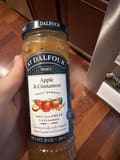 Apple & Cinnamon St. Dalfour · 10 oz High in sugarNo additives Score 79 out of 100 Good
More from Bettergoods

Sources
-
Guideline: sugars intake for adults and children
“In both adults and children, WHO recommends reducing the intake of free sugars to less than 10% of total energy intake”
who.int
-
Dietary Guidelines for Americans, 2025–2030
“Limit foods and beverages that include artificial flavors, petroleum-based dyes, artificial preservatives, and low-calorie non-nutritive sweeteners.”
cdn.realfood.gov
-
Added and free sugars should be as low as possible
“Sugar consumption is a known cause of dental caries.”
efsa.europa.eu
-
Saturated fatty acid and trans-fatty acid intake for adults and children: WHO guideline
“WHO recommends that adults and children reduce saturated fatty acid intake to 10% of total energy intake (strong recommendation).”
who.int
-
Process contaminants in vegetable oils and foods
“The highest levels of GE, as well as 3-MCPD and 2-MCPD (including esters) were found in palm oils and palm fats, followed by other oils and fats.”
efsa.europa.eu
-
“Glycidyl fatty acid esters, expressed as glycidol”
eur-lex.europa.eu
-
“Greater exposure to ultra-processed food was associated with a higher risk of adverse health outcomes, especially cardiometabolic, common mental disorder, and mortality outcomes.”
doi.org