Pie dough
Good & Gather Ultra Thin Pizza Crust
10 oz/283 g
Score
- Ultra-processed
- Contains seed oils
Why it scores 70
Good & Gather Ultra Thin Pizza Crust scores 70 out of 100 (Good) under GoodSwap’s published rules. What moved the score most:
- minus 18 points Ultra-processed (NOVA 4): Classified NOVA 4: made with industrial ingredients and additives. Strong
- minus 2.5 points Sunflower oil: High in omega-6 linoleic acid. Emerging
- minus 2.5 points Vegetable gums (unspecified): An ingredient class typical of ultra-processed foods (NOVA group 4). Info
Every line of the math is on The Receipt below, with its evidence tier and sources.
The Receipt
Ultra Thin Pizza Crust
Ingredients
- Sunflower oil minus 2.5 points
- Vegetable gums (unspecified) minus 2.5 points
- Xanthan gum minus 2.5 points
- Sodium alginate minus 1.5 points
- Guar gum minus 1.5 points
- Soy lecithin minus 1.5 points
Processing
- Ultra-processed (NOVA 4) minus 18 points
- 2 kinds of ultra-processing markers minus 1.5 points
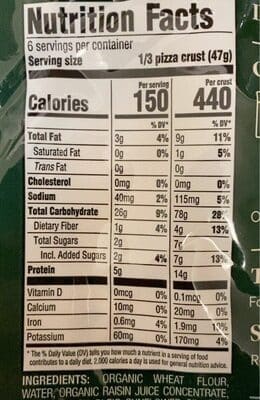
Nutrition per 100 g
- Energy 319 kcal / 100 g minus 1 points
- Protein 10.6 g / 100 g plus 2 points
100 − 30.5 = 69.5 → 70
Nutrition per 100 g
| Energy | 319 kcal |
|---|---|
| Fat | 6.4 g |
| Saturated fat | 0 g |
| Trans fat | 0 g |
| Carbohydrates | 55.3 g |
| Sugars | 4.3 g |
| Added sugars | 4.3 g |
| Fiber | 2.1 g |
| Protein | 10.6 g |
| Salt | 0.2 g |
Serving: 0.33 crust (47 g)
Ingredients
- ORGANIC WHEAT FLOUR
- WATER
- ORGANIC RAISIN JUICE CONCENTRATE
- ORGANIC HIGH OLEIC SUNFLOWER OIL
- DRIED YEAST
- ORGANIC WHITE DISTILLED VINEGAR
- SEA SALT
- GUM BLEND (XANTHAN GUM, SODIUM ALGINATE, GUAR GUM)
- LACTIC ACID
- ORGANIC SOY LECITHIN
Label text, as published
ORGANIC WHEAT FLOUR, WATER, ORGANIC RAISIN JUICE CONCENTRATE, ORGANIC HIGH OLEIC SUNFLOWER OIL, CONTAINS LESS THAN 2% OF EACH OF THE FOLLOWING: DRIED YEAST, ORGANIC WHITE DISTILLED VINEGAR, SEA SALT, GUM BLEND (XANTHAN GUM, SODIUM ALGINATE, GUAR GUM), LACTIC ACID, ORGANIC SOY LECITHIN.
Allergens and diets
Contains: Soy, Wheat, Gluten
- Vegan
- Vegetarian
- Not gluten-free
- Palm-oil-free
Always check the package: recipes change.
More pie dough on GoodSwap
-
 Puff Pastry Sheets Pepperidge Farm · 17.3 oz Ultra-processedHigh in saturated fatContains added sugarsContains emulsifiers studied for gut effects Score 35 out of 100 Poor
 -
 Cinnamon Rolls Pillsbury · 12.4 oz Dye with an EU warning labelContains synthetic dyesUltra-processedHigh in sugar Score 2 out of 100 Bad
 -
 Pie Crusts Pillsbury · 14.1 oz Ultra-processedHigh in saturated fatNo synthetic dyes Score 42 out of 100 Okay
 -
 Southern Homestyle Biscuits Pillsbury Grands! · 16.3 oz Ultra-processedHigh in saltHigh in saturated fatContains added sugars Score 10 out of 100 Bad
 -
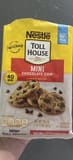 Mini Chocolate Chip Cookie Dough Nestle Toll House · 16 1/2 oz/467 g Ultra-processedHigh in sugarHigh in saturated fatContains added sugars Score 7 out of 100 Bad
 -
 Sugar Cookie Dough Sweet Loren's · 12 oz/340 g Ultra-processedHigh in sugarHigh in saturated fatContains added sugars Score 35 out of 100 Poor
More from Good & Gather
-
 Plain Greek Nonfat Yogurt Good & Gather · 32 oz Score 100 out of 100 Excellent
 -
 Cocoa Powder Good & Gather · 8 oz Score 100 out of 100 Excellent
 -
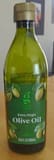 Extra Virgin Olive Oil Good & Gather · 16.9 fl oz/500 mL Score 100 out of 100 Excellent
 -
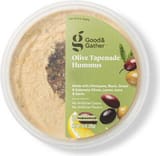 Olive tapenade hummus Good & Gather · 10 oz/283 g Score 88 out of 100 Excellent
Sources
-
“replacement of saturated fat in the diet with linoleic acid effectively lowers serum cholesterol but does not support the hypothesis that this translates to a lower risk of death from coronary heart disease or all causes.”
doi.org
-
“These data provide support for current recommendations to replace saturated fat with polyunsaturated fat for primary prevention of CHD.”
doi.org
-
Dietary Guidelines for Americans, 2025–2030
“Limit foods and beverages that include artificial flavors, petroleum-based dyes, artificial preservatives, and low-calorie non-nutritive sweeteners.”
cdn.realfood.gov
-
“Greater exposure to ultra-processed food was associated with a higher risk of adverse health outcomes, especially cardiometabolic, common mental disorder, and mortality outcomes.”
doi.org