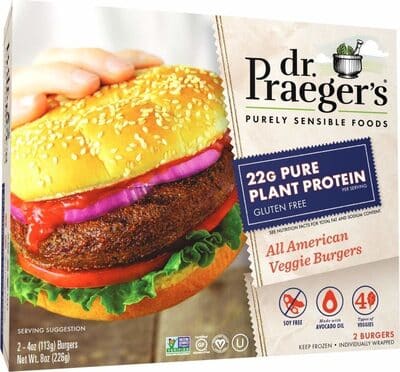
Frozen meats
Dr. Praeger's Drive-Thru Burger
8 oz/226 g
Score
- Ultra-processed
- Seed-oil free
- Contains whole grains
Why it scores 74
Dr. Praeger's Drive-Thru Burger scores 74 out of 100 (Good) under GoodSwap’s published rules. What moved the score most:
- minus 18 points Ultra-processed (NOVA 4): Classified NOVA 4: made with industrial ingredients and additives. Strong
- plus 4 points Protein 17.9 g / 100 g: A good source of protein. Info
- minus 3 points 3 kinds of ultra-processing markers: Industrial additive classes found: flavoring, industrial protein and thickener, stabilizer or gelling agent. Emerging
Every line of the math is on The Receipt below, with its evidence tier and sources.
Better burgers and patties
-
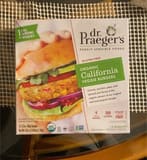 Organic California Veggie Burgers Dr. Praeger's Sensible Foods Not ultra-processed · No methylcellulose Score 100 out of 100 , 26 points higher
 -
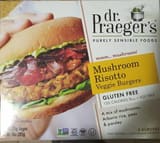 Mushroom Risotto Veggie Burgers Dr. Praeger's Sensible Foods · 10 oz/283 g Not ultra-processed · No methylcellulose Score 99 out of 100 , 25 points higher
 -
 Ribeye Steak Shaved Heritage · 12 oz Not ultra-processed · No methylcellulose Score 100 out of 100 , 26 points higher
 -
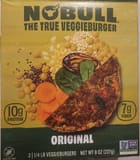 Original Nobull The True Veggieburger Nobull · 8 oz Not ultra-processed · No methylcellulose Score 100 out of 100 , 26 points higher
 -
 Organic Turkey Burgers Applegate Organics · 85 g Not ultra-processed · No methylcellulose Score 100 out of 100 , 26 points higher
The same kind of product, at least 10 points higher, sold in the US. Never paid placements.
The Receipt
Drive-Thru Burger
Ingredients
- Pea protein minus 2.5 points
- Natural flavors minus 2.5 points
- Methylcellulose minus 2.5 points
Processing
- Ultra-processed (NOVA 4) minus 18 points
- 3 kinds of ultra-processing markers minus 3 points
Nutrition per 100 g
- Salt 0.9 g / 100 g minus 3 points
- Energy 196 kcal / 100 g minus 0.5 points
- Fiber 3.6 g / 100 g plus 2 points
- Protein 17.9 g / 100 g plus 4 points
100 − 26 = 74
Nutrition per 100 g
| Energy | 196 kcal |
|---|---|
| Fat | 10.7 g |
| Saturated fat | 0.9 g |
| Trans fat | 0 g |
| Carbohydrates | 8.9 g |
| Sugars | 0 g |
| Added sugars | 0 g |
| Fiber | 3.6 g |
| Protein | 17.9 g |
| Salt | 0.9 g |
Serving: 1 burger (56 g)
Ingredients
- Hydrated pea protein (water, pea protein)
- avocado oil
- onions
- sweet potato puree
- butternut squash puree
- carrot puree
- natural flavors
- methyl cellulose
- fruit juice color
- oat fiber
- potato starch
- roasted garlic
- sea salt
Label text, as published
Hydrated pea protein (water, pea protein), avocado oil, onions, sweet potato puree, butternut squash puree, carrot puree, natural flavors, methyl cellulose, fruit juice color, oat fiber, potato starch, roasted garlic, sea salt
Allergens and diets
Contains: Gluten
- Not gluten-free
- Palm-oil-free
Always check the package: recipes change.
More frozen meats on GoodSwap
-
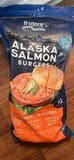 Alaska Salmon Burgers Trident Seafoods Ultra-processedContains seed oilsNo synthetic dyes Score 75 out of 100 Good
 -
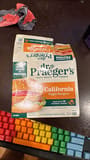 California Veggie Burgers Dr. Praeger's · 10 oz/283 g Contains seed oilsNo additivesContains whole grains Score 93 out of 100 Excellent
 -
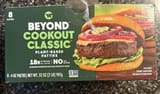 Cookout Classic Plant-Based Patties Beyond · 32 oz Ultra-processedHigh in saturated fatNo synthetic dyes Score 73 out of 100 Good
 -
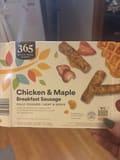 Breakfast sausage 365 Whole Foods Market · 7 oz/198 g Ultra-processedHigh in saltContains added sugars Score 53 out of 100 Okay
 -
 MAHI MAHI Burgers Trader Joe's Ultra-processedContains seed oils Score 72 out of 100 Good
 -
 Italian Style Meatballs Carando Ultra-processedHigh in saltHigh in saturated fatNo synthetic dyes Score 46 out of 100 Okay
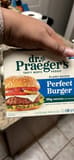
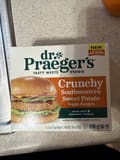
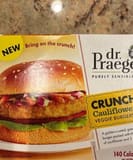
More from Dr. Praeger's
Sources
-
21 CFR 101.22 Foods; labeling of spices, flavorings, colorings and chemical preservatives
“whose significant function in food is flavoring rather than nutritional.”
ecfr.gov
-
“For adults, WHO recommends less than 2000 mg/day of sodium (equivalent to less than 5 g/day salt), or just under a teaspoon.”
who.int
-
Dietary Guidelines for Americans, 2025–2030
“Limit foods and beverages that include artificial flavors, petroleum-based dyes, artificial preservatives, and low-calorie non-nutritive sweeteners.”
cdn.realfood.gov
-
“Greater exposure to ultra-processed food was associated with a higher risk of adverse health outcomes, especially cardiometabolic, common mental disorder, and mortality outcomes.”
doi.org