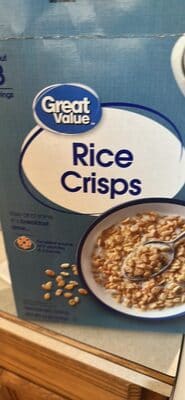
Cereals and their products
Great Value Rice Crisps
12 oz
Score
- Ultra-processed
- Contains added sugars
Why it scores 30
Great Value Rice Crisps scores 30 out of 100 (Poor) under GoodSwap’s published rules. What moved the score most:
- minus 20 points Sugar: An added sugar. Strong
- minus 20 points Corn syrup: An added sugar. Strong
- minus 18 points Ultra-processed (NOVA 4): Classified NOVA 4: made with industrial ingredients and additives. Strong
Every line of the math is on The Receipt below, with its evidence tier and sources.
The Receipt
Rice Crisps
Ingredients
- Sugar minus 20 points
- Corn syrup minus 20 points
Processing
- Ultra-processed (NOVA 4) minus 18 points
Nutrition per 100 g
- Sugars 9.8 g / 100 g minus 5 points
- Salt 1.5 g / 100 g minus 5 points
- Energy 390 kcal / 100 g minus 2 points
100 − 70 = 30
Can’t score above 79. Contains sugar, an ingredient of high concern. [1][2][3]
Nutrition per 100 g
| Energy | 390 kcal |
|---|---|
| Fat | 1.2 g |
| Saturated fat | 0 g |
| Trans fat | 0 g |
| Carbohydrates | 87.8 g |
| Sugars | 9.8 g |
| Added sugars | 9.8 g |
| Fiber | 0 g |
| Protein | 7.3 g |
| Salt | 1.5 g |
Serving: 1.5 cups (41 g)
Ingredients
- RICE
- SUGAR (high concern)
- CORN SYRUP (high concern)
- SALT
- VITAMINS AND MINERALS: FERRIC ORTHOPHOSPHATE (SOURCE OF IRON)
- SODIUM ASCORBATE (VITAMIN C)
- NIACINAMIDE (VITAMIN B3)
- ZINC OXIDE (SOURCE OF ZINC)
- FOLIC ACID
- RIBOFLAVIN (VITAMIN B)
- PYRIDOXINE HYDROCHLORIDE (VITAMIN B6)
- VITAMIN A PALMITATE
- THIAMIN MONONITRATE (VITAMIN B)
- VITAMIN B12
- VITAMIN D3
Label text, as published
RICE, SUGAR, CORN SYRUP, SALT. VITAMINS AND MINERALS: FERRIC ORTHOPHOSPHATE (SOURCE OF IRON), SODIUM ASCORBATE (VITAMIN C), NIACINAMIDE (VITAMIN B3), ZINC OXIDE (SOURCE OF ZINC), FOLIC ACID, RIBOFLAVIN (VITAMIN B), PYRIDOXINE HYDROCHLORIDE (VITAMIN B6), VITAMIN A PALMITATE, THIAMIN MONONITRATE (VITAMIN B), VITAMIN B12, VITAMIN D3.
Allergens and diets
- Palm-oil-free
Always check the package: recipes change.
More cereals and their products on GoodSwap
-
 healthy grains granola Dark Chocolate Kind · 11 oz Ultra-processedContains added sugarsContains seed oilsContains whole grains Score 23 out of 100 Poor
 -
 Original Shell Pasta & Cheese Sauce Velveeta · 12 oz (340 g) Ultra-processedHigh in saltContains seed oilsNo synthetic dyes Score 56 out of 100 Okay
 -
 healthy grains granola Peanut Butter Kind · 11 oz Contains added sugarsSeed-oil freeContains whole grains Score 48 out of 100 Okay
 -
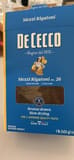 Mezzi Rigatoni no. 26 De Cecco · 1 lb/453 g No additives Score 100 out of 100 Excellent
 -
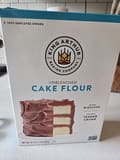 Unbleached Cake Flour King Arthur Baking Company · 32 oz/2 lb/907 g No additives Score 97 out of 100 Excellent
 -
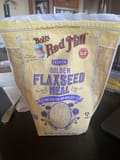 Premium golden flaxseed meal Bob's Red Mill · 16 oz No additives Score 79 out of 100 Good
More from Great Value

Sources
-
Guideline: sugars intake for adults and children
“In both adults and children, WHO recommends reducing the intake of free sugars to less than 10% of total energy intake”
who.int
-
Dietary Guidelines for Americans, 2025–2030
“Limit foods and beverages that include artificial flavors, petroleum-based dyes, artificial preservatives, and low-calorie non-nutritive sweeteners.”
cdn.realfood.gov
-
Added and free sugars should be as low as possible
“Sugar consumption is a known cause of dental caries.”
efsa.europa.eu
-
“For adults, WHO recommends less than 2000 mg/day of sodium (equivalent to less than 5 g/day salt), or just under a teaspoon.”
who.int
-
“Greater exposure to ultra-processed food was associated with a higher risk of adverse health outcomes, especially cardiometabolic, common mental disorder, and mortality outcomes.”
doi.org