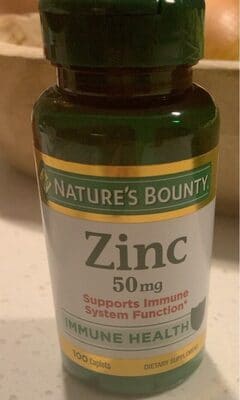
Why it scores 98
Kroger Zinc scores 98 out of 100 (Excellent) under GoodSwap’s published rules. What moved the score most:
- minus 1 points Calcium phosphate: EFSA (2019) set a group ADI for phosphates of 40 mg/kg body weight (as phosphorus) and noted that infants, toddlers and children may exceed it. Strong
- minus 1 points Silicon dioxide: An additive class typical of ultra-processed foods (NOVA group 4). Info
Every line of the math is on The Receipt below, with its evidence tier and sources.
The Receipt
Zinc
START100
Ingredients
- Calcium phosphate minus 1 points
- Silicon dioxide minus 1 points
subtotal−2
TOTAL 98Excellent
100 − 2 = 98
Nutrition per 100 g
| Added sugars | 0 g |
|---|
Ingredients
- Zinc (as Zinc Gluconate)
- Vegetable Cellulose
- Dicalcium Phosphate
- Silica
- Vegetable Magnesium Stearate
- Vegetable Stearic Acid
High Moderate Not recognized Tap an ingredient for its evidence and rules.
Label text, as published
Zinc (as Zinc Gluconate), Vegetable Cellulose, Dicalcium Phosphate, Silica, Vegetable Magnesium Stearate, Vegetable Stearic Acid
Allergens and diets
- Vegan
- Vegetarian
- Palm-oil-free
Always check the package: recipes change.
Packaging
Pp 5 polypropylene, Pet 1 polyethylene terephthalate
Context only: no points in v1.
More dietary supplements on GoodSwap
-
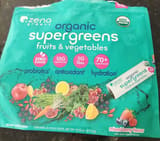 Organic Supergreens Fruits & Vegetables Zena Greens Contains non-nutritive sweetenersContains caffeineCertified organicContains whole grains Score 95 out of 100 Excellent
 -
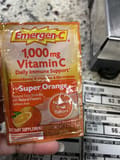 Super Orange Flavored Fizzy Drink Mix Emergen-C · 9.1 g Contains added sugarsNo synthetic dyes Score 86 out of 100 Excellent
 -
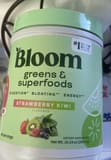 Greens and superfoods Bloom · 10.24 oz Contains non-nutritive sweetenersContains caffeineContains whole grains Score 97 out of 100 Excellent
 -
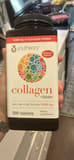 Collagen + Biotin Youtheory · 390 tablets Score 100 out of 100 Excellent
 -
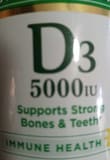 D3 Nature's Bounty · 125 mcg Contains seed oils Score 97 out of 100 Excellent
 -
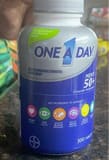 One a day Men’s 50+ Bayer Not permitted in some countriesContains synthetic dyesContains added sugarsMay contain traces of 1,4-dioxane Score 15 out of 100 Bad
More from Kroger

Sources
-
EFSA issues new advice on phosphates
“We estimated that dietary exposure to phosphates may exceed the new ADI for infants, toddlers and children with average consumption of phosphates in their diet.”
efsa.europa.eu