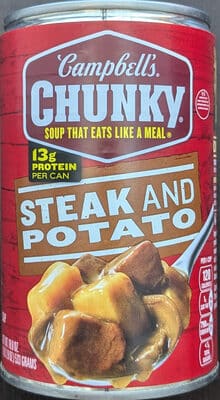
Canned soups
Campbell's Chunky Steak and Potato
533 g
Score
- Ultra-processed
- Contains seed oils
- No synthetic dyes
Why it scores 42
Campbell's Chunky Steak and Potato scores 42 out of 100 (Okay) under GoodSwap’s published rules. What moved the score most:
- minus 20 points Caramel color: The FDA says classes III and IV, which can contain 4-MEI, are the most commonly used food color additives by volume. Regulatory
- minus 18 points Ultra-processed (NOVA 4): Classified NOVA 4: made with industrial ingredients and additives. Strong
- minus 6 points 5 kinds of ultra-processing markers: Industrial additive classes found: color (added), flavor enhancer, flavoring, industrial protein and modified starch. Emerging
Every line of the math is on The Receipt below, with its evidence tier and sources.
Better soups
-
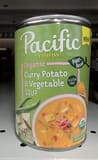 Organic Curry Potato & Vegetable Soup Pacific Foods · 16.3 oz Not ultra-processed · No seed oils Score 88 out of 100 , 46 points higher
 -
 Thai Curry Sweet Potato Lentil Amy's Soups · 14.1 oz/400 g Not ultra-processed · No caramel color Score 88 out of 100 , 46 points higher
 -
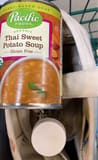 Thai sweet potato soup Pacific Foods · 16.3 oz Not ultra-processed · No caramel color Score 96 out of 100 , 54 points higher
 -
 Potato Leek Creamy Soup Imagine · 32 fl oz No caramel color · No modified starch Score 80 out of 100 , 38 points higher
 -
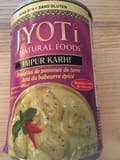 Jyoti natural foods, jaipur karhi, potato dumplings in spicy buttermilk Jyoti Natural Foods · 425 g Not ultra-processed · No caramel color Score 83 out of 100 , 41 points higher
The same kind of product, at least 10 points higher, sold in the US. Never paid placements.
The Receipt
Steak and Potato
Ingredients
- Caramel color minus 20 points
- Modified starch minus 2.5 points
- Sodium phosphate minus 2.5 points
- Vegetable oil (unspecified) minus 1.5 points
- Wine minus 1.5 points
- Monosodium glutamate (MSG) minus 1.5 points
- Yeast extract minus 0.5 points
- Hydrolyzed vegetable protein minus 0.5 points
- Wheat gluten minus 0.5 points
- Natural flavors minus 0.5 points
Processing
- Ultra-processed (NOVA 4) minus 18 points
- 5 kinds of ultra-processing markers minus 6 points
Nutrition per 100 g
- Salt 0.8 g / 100 g minus 3 points
100 − 58.5 = 41.5 → 42
Can’t score above 79. Contains caramel color, an ingredient of high concern. [1][2][3][4]
Nutrition per 100 g
| Energy | 47 kcal |
|---|---|
| Fat | 1.1 g |
| Saturated fat | 0.3 g |
| Trans fat | 0 g |
| Carbohydrates | 6.9 g |
| Sugars | 0.4 g |
| Added sugars | 0 g |
| Fiber | 0.6 g |
| Protein | 2.4 g |
| Salt | 0.8 g |
Serving: 1 can (533 g)
Ingredients
- Water
- potatoes
- seasoned beef - beef broth and modified cornstarch product (beef, beef broth, salt, modified cornstarch, sodium phosphate, spice)
- mushrooms
- tomato puree (water, tomato paste)
- modified food starch
- wheat flour
- salt
- vegetable oil
- burgundy wine
- monosodium glutamate
- yeast extract
- caramel color (high concern)
- hydrolyzed soy protein
- hydrolyzed wheat gluten
- flavoring
- onion extract
Label text, as published
Water, potatoes, seasoned beef - beef broth and modified cornstarch product (beef, beef broth, salt, modified cornstarch, sodium phosphate, spice), mushrooms, tomato puree (water, tomato paste), contains less than 2% of: modified food starch, wheat flour, salt, vegetable oil, burgundy wine, monosodium glutamate, yeast extract, caramel color, hydrolyzed soy protein, hydrolyzed wheat gluten, flavoring, onion extract.contains: wheat, soy.
Allergens and diets
Contains: Soy, Wheat, Gluten
- Not vegan
- Not vegetarian
- Not gluten-free
- Palm-oil-free
Always check the package: recipes change.
Packaging
Steel
Context only: no points in v1.
More canned soups on GoodSwap
-
 Minestrone Progresso · 19 oz Ultra-processedContains added sugarsContains seed oilsNo synthetic dyes Score 44 out of 100 Okay
 -
 Chicken Broth Swanson · 32 oz Ultra-processedContains nitrites or nitratesSeed-oil free Score 65 out of 100 Good
 -
 Chicken Broth Swanson · 32 oz Ultra-processedSeed-oil free Score 73 out of 100 Good
 -
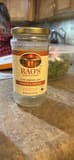 Slow Simmered Soup Chicken & Gnocchi Rao's · 16 oz Ultra-processedSeed-oil free Score 78 out of 100 Good
 -
 Bone Broth Organic Chicken Butchers · 24 fl oz, 709 mL Certified organicNo additives Score 100 out of 100 Excellent
 -
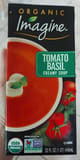 Organic Creamy Tomato Basil Soup Imagine · 32 fl oz Contains added sugarsContains seed oilsCertified organicNo additives Score 73 out of 100 Good
More from Campbell's Chunky
-
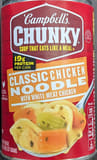 Classic Chicken Noodle with White Meat Chicken Campbell's Chunky · 18.6 oz (1 lb 2.6 oz) 527 g Score 40 out of 100 Okay
 -
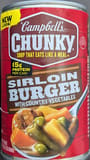 Sirloin Burger with Country Vegetables Soup Campbell's Chunky · 533 g Score 47 out of 100 Okay
 -
 Sirloin Burger with Country Vegetables Campbell's Chunky · 18.8 oz (1 lb 2.8 oz) 533 g Score 50 out of 100 Okay
 -
 New England Clam Chowder Campbell's Chunky · 18.8 oz Score 44 out of 100 Okay
Sources
-
Questions & Answers About 4-MEI
“Based on current science, the FDA has no reason to believe that there are any immediate or short-term health risks presented by 4-MEI at the levels expected in food.”
fda.gov
-
Agents Classified by the IARC Monographs, Volumes 1–142 (List of Classifications)
monographs.iarc.who.int
-
Proposition 65 List of Chemicals Known to the State to Cause Cancer or Reproductive Toxicity
“The date refers to the initial appearance of the chemical on the list.”
oehha.ca.gov
-
EFSA issues new advice on phosphates
“We estimated that dietary exposure to phosphates may exceed the new ADI for infants, toddlers and children with average consumption of phosphates in their diet.”
efsa.europa.eu
-
“replacement of saturated fat in the diet with linoleic acid effectively lowers serum cholesterol but does not support the hypothesis that this translates to a lower risk of death from coronary heart disease or all causes.”
doi.org
-
“These data provide support for current recommendations to replace saturated fat with polyunsaturated fat for primary prevention of CHD.”
doi.org
-
About Alcohol Use During Pregnancy
“There is no known safe amount of alcohol use during pregnancy.”
cdc.gov
-
Questions and Answers on Monosodium glutamate (MSG)
“FDA considers the addition of MSG to foods to be “generally recognized as safe” (GRAS).”
fda.gov
-
EFSA reviews safety of glutamates added to food
“EFSA re-assessed the safety of glutamates used as food additives and derived a group acceptable daily intake (ADI) of 30 mg/kg body weight per day for all six of these additives.”
efsa.europa.eu
-
21 CFR 101.22 Foods; labeling of spices, flavorings, colorings and chemical preservatives
“whose significant function in food is flavoring rather than nutritional.”
ecfr.gov
-
“For adults, WHO recommends less than 2000 mg/day of sodium (equivalent to less than 5 g/day salt), or just under a teaspoon.”
who.int
-
“Greater exposure to ultra-processed food was associated with a higher risk of adverse health outcomes, especially cardiometabolic, common mental disorder, and mortality outcomes.”
doi.org