Food
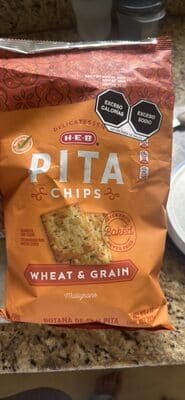
H-E-B Pita Chips
Score
- Contains added sugars
- Contains seed oils
- Contains whole grains
Why it scores 69
H-E-B Pita Chips scores 69 out of 100 (Good) under GoodSwap’s published rules. What moved the score most:
- minus 20 points Sugar: An added sugar. Strong
- minus 8 points Processed (NOVA 3): Classified NOVA 3: processed with added salt, sugar or oil. Emerging
- minus 2.5 points Sunflower oil: High in omega-6 linoleic acid. Emerging
Every line of the math is on The Receipt below, with its evidence tier and sources.
Better pita and bagel chips
-
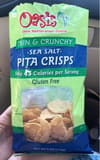 Pita Crisps Oasis · 6 oz No added sugars · No sugar Score 100 out of 100 , 31 points higher
 -
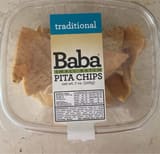 Baba small batch pita chips Baba Small Batch · 7 oz No added sugars · No sugar Score 99 out of 100 , 30 points higher
 -
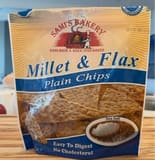 Millet & Flax Pita Chips Plain Sami's Bakery No added sugars · No seed oils Score 89 out of 100 , 20 points higher
 -
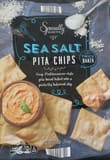 Sea Salt Pita Chips Aldi No added sugars · No sugar Score 79 out of 100 , 10 points higher
 -
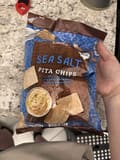 Sea Salt Pita Chips Clancy's No added sugars · No sugar Score 79 out of 100 , 10 points higher
The same kind of product, at least 10 points higher, sold in the US. Never paid placements.
The Receipt
Pita Chips
Ingredients
- Sugar minus 20 points
- Sunflower oil minus 2.5 points
Processing
- Processed (NOVA 3) minus 8 points
Nutrition per 100 g
- Saturated fat 1.7 g / 100 g minus 1 points
- Energy 467 kcal / 100 g minus 2 points
- Protein 13.3 g / 100 g plus 2 points
100 − 31.5 = 68.5 → 69
Can’t score above 79. Contains sugar, an ingredient of high concern. [1][2][3]
Nutrition per 100 g
| Energy | 467 kcal |
|---|---|
| Fat | 15 g |
| Saturated fat | 1.7 g |
| Trans fat | 0 g |
| Carbohydrates | 63.3 g |
| Sugars | 3.3 g |
| Added sugars | 0 g |
| Protein | 13.3 g |
Serving: 12 chips (30 g)
Ingredients
- whole grain wheat flour
- enriched wheat flour (wheat flour. hiacin, reduced iron, thiamine mononitrate, riboflavin, amylase, folic acid)
- mid-oleic sunflower oil (rosemary extract and ascorbic acid to preserve freshness])
- multigrain blend (flax seeds, wheat bran, oat bran, millet, rolled oats, rye meal, sunflower seeds, rye flour, whole grain spelt flour, malted barley flour) (not recognized)
- yeast
- sea salt
- sugar (high concern)
Label text, as published
whole grain wheat flour, enriched wheat flour (wheat flour. hiacin, reduced iron, thiamine mononitrate, riboflavin, amylase, folic acid), mid-oleic sunflower oil (rosemary extract and ascorbic acid to preserve freshness]), multigrain blend (flax seeds, wheat bran, oat bran, millet, rolled oats, rye meal, sunflower seeds, rye flour, whole grain spelt flour, malted barley flour), yeast, sea salt, sugar. contains: wheat made with pride and care for h-e-bd, san antonio, tx 78204 product of canada keep in a cool, dry place lot number and best by: on package manufactured in a facility that processes milk, soy inf. nutrimental aprox. 8 porciones por envase
Allergens and diets
Contains: Milk, Soy, Wheat, Gluten
- Vegan
- Vegetarian
- Not gluten-free
- Palm-oil-free
Always check the package: recipes change.
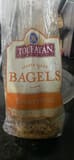
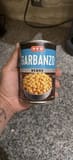
More from H-E-B
Sources
-
Guideline: sugars intake for adults and children
“In both adults and children, WHO recommends reducing the intake of free sugars to less than 10% of total energy intake”
who.int
-
Dietary Guidelines for Americans, 2025–2030
“Limit foods and beverages that include artificial flavors, petroleum-based dyes, artificial preservatives, and low-calorie non-nutritive sweeteners.”
cdn.realfood.gov
-
Added and free sugars should be as low as possible
“Sugar consumption is a known cause of dental caries.”
efsa.europa.eu
-
“replacement of saturated fat in the diet with linoleic acid effectively lowers serum cholesterol but does not support the hypothesis that this translates to a lower risk of death from coronary heart disease or all causes.”
doi.org
-
“These data provide support for current recommendations to replace saturated fat with polyunsaturated fat for primary prevention of CHD.”
doi.org
-
Saturated fatty acid and trans-fatty acid intake for adults and children: WHO guideline
“WHO recommends that adults and children reduce saturated fatty acid intake to 10% of total energy intake (strong recommendation).”
who.int