Plant-based milk alternatives
Elmhurst Milked Cashews Unsweetened
32 fl oz, 1 qt, 946 mL
Score
- No additives
Why it scores 79
Elmhurst Milked Cashews Unsweetened scores 79 out of 100 (Good) under GoodSwap’s published rules. What moved the score most:
- minus 4 points Energy 130 kcal / 100 ml: Energy-dense for its volume. Info
- minus 3 points Sugars 1 g / 100 ml: Contains some sugar. Strong
- minus 1 points Saturated fat 1.5 g / 100 ml: Contains some saturated fat. Strong
Capped at 79: High in fat (above the front-of-pack "high" level).
Every line of the math is on The Receipt below, with its evidence tier and sources.
Better plant milks
-
 Milked Oats Unsweetened Elmhurst Scores +18 Score 97 out of 100 , 18 points higher
 -
 Organic Unsweetened Soymilk Plain West Life · 32 Fl ounces, 946 mL Scores +21 Score 100 out of 100 , 21 points higher
 -
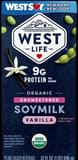 Organic Unsweetened Vanilla Soymilk The Hain Celestial Group Inc. Scores +21 Score 100 out of 100 , 21 points higher
 -
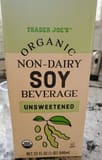 Organic Non-Dairy Soy Beverage Unsweetened Trader Joe's · 32 fl oz (1 qt) 946 mL Scores +21 Score 100 out of 100 , 21 points higher
 -
 Unsweet Cashew Milk Forager Project · 28 oz Scores +21 Score 100 out of 100 , 21 points higher
The same kind of product, at least 10 points higher, sold in the US. Never paid placements.
The Receipt
Milked Cashews Unsweetened
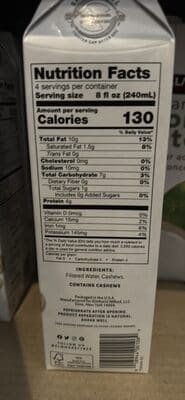
Nutrition per 100 ml
- Sugars 1 g / 100 ml minus 3 points
- Saturated fat 1.5 g / 100 ml minus 1 points
- Energy 130 kcal / 100 ml minus 4 points
100 − 8 = 92 → capped at 79
Capped at 79. High in fat (above the front-of-pack "high" level). [4]
Nutrition per 100 ml
| Energy | 130 kcal |
|---|---|
| Fat | 10 g |
| Saturated fat | 1.5 g |
| Trans fat | 0 g |
| Carbohydrates | 7 g |
| Sugars | 1 g |
| Added sugars | 0 g |
| Fiber | 0 g |
| Protein | 4 g |
| Salt | 0 g |
Serving: 1 portion (240 ml)
Ingredients
Label text, as published
Other Ingredients: Filtered water, cashews
Allergens and diets
Contains: Tree nuts
- Vegan
- Vegetarian
- Gluten-free
- Palm-oil-free
Always check the package: recipes change.
More plant-based milk alternatives on GoodSwap
-
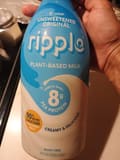 Dairy-Free Milk Ripple · 48 fl oz Ultra-processedContains seed oils Score 63 out of 100 Good
 -
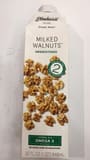 Milked Walnuts Unsweetened Elmhurst · 32 fl oz No additives Score 79 out of 100 Good
 -
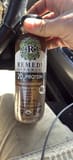 Cacao Essentials 100% Plant Based Shake Remedy Organics · 355 mL Ultra-processedContains non-nutritive sweetenersContains added sugarsCertified organic Score 43 out of 100 Okay
 -
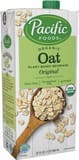 Organic Oat Original Plant-Based Beverage Pacific Ultra-processedHigh in sugarCertified organicContains whole grains Score 59 out of 100 Okay
 -
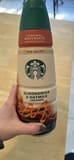 Caramel Macchiato Inspired Flavor Almondmilk & Oatmilk Creamer Starbucks · 28 fl oz/1.75 PT/828 mL Ultra-processedHigh in sugarHigh in saturated fatContains added sugars Score 25 out of 100 Poor
 -
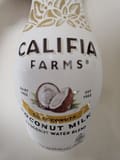 Coconut Milk & Coconut Water Blend Califia Farms · 48 fl oz Ultra-processed Score 70 out of 100 Good
More from Elmhurst
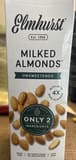
Sources
-
Guideline: sugars intake for adults and children
“In both adults and children, WHO recommends reducing the intake of free sugars to less than 10% of total energy intake”
who.int
-
Saturated fatty acid and trans-fatty acid intake for adults and children: WHO guideline
“WHO recommends that adults and children reduce saturated fatty acid intake to 10% of total energy intake (strong recommendation).”
who.int
-
Dietary Guidelines for Americans, 2025–2030
“Limit foods and beverages that include artificial flavors, petroleum-based dyes, artificial preservatives, and low-calorie non-nutritive sweeteners.”
cdn.realfood.gov
-
“Table 3: Criteria for drinks (per 100ml)”
assets.publishing.service.gov.uk