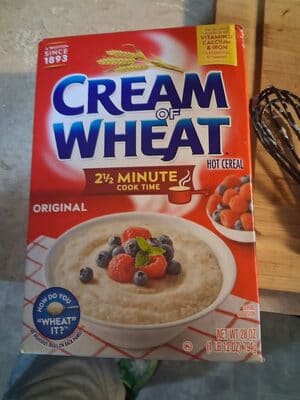
Plain porridge
Cream of Wheat Original
28 oz
Score
- Contains whole grains
Why it scores 97
Cream of Wheat Original scores 97 out of 100 (Excellent) under GoodSwap’s published rules. What moved the score most:
- minus 3 points Salt 0.8 g / 100 g: High in salt. Strong
- minus 2.5 points Sodium phosphate: EFSA (2019) set a group ADI for phosphates of 40 mg/kg body weight (as phosphorus) and noted that infants, toddlers and children may exceed it. Strong
- minus 2 points Energy 333 kcal / 100 g: Energy-dense for its weight. Info
Every line of the math is on The Receipt below, with its evidence tier and sources.
The Receipt
Cream of Wheat Original
Ingredients
- Sodium phosphate minus 2.5 points
Nutrition per 100 g
- Salt 0.8 g / 100 g minus 3 points
- Energy 333 kcal / 100 g minus 2 points
- Fiber 3 g / 100 g plus 2 points
- Protein 12.1 g / 100 g plus 2 points
100 − 3.5 = 96.5 → 97
Nutrition per 100 g
| Energy | 333 kcal |
|---|---|
| Fat | 0 g |
| Saturated fat | 0 g |
| Trans fat | 0 g |
| Carbohydrates | 72.7 g |
| Sugars | 3 g |
| Fiber | 3 g |
| Protein | 12.1 g |
| Salt | 0.8 g |
Serving: 1 portion (33 g)
Ingredients
- WHEAT FARINA
- CALCIUM CARBONATE
- DEFATTED WHEAT GERM
- DISODIUM PHOSPHATE
- FERRIC ORTHOPHOSPHATE (IRON)
- NIACINAMIDE (VITAMIN B3)
- THIAMINE MONONITRATE (VITAMIN B1)
- PYRIDOXINE HYDROCHLORIDE (VITAMIN B6)
- RIBOFLAVIN (VITAMIN B2)
- FOLIC ACID
- CHOLECALCIFEROL (VITAMIN D3)
Label text, as published
WHEAT FARINA, CALCIUM CARBONATE, DEFATTED WHEAT GERM, DISODIUM PHOSPHATE, FERRIC ORTHOPHOSPHATE (IRON), NIACINAMIDE (VITAMIN B3), THIAMINE MONONITRATE (VITAMIN B1), PYRIDOXINE HYDROCHLORIDE (VITAMIN B6), RIBOFLAVIN (VITAMIN B2), FOLIC ACID, CHOLECALCIFEROL (VITAMIN D3).
Allergens and diets
Contains: Wheat, Gluten
- Not gluten-free
- Palm-oil-free
Always check the package: recipes change.
Packaging
Paperboard
Context only: no points in v1.
More plain porridge on GoodSwap
-
 Cream of Wheat Instant Original Hot Cereal Cream of Wheat · 12 oz Ultra-processedHigh in saltContains whole grains Score 70 out of 100 Good
 -
 Vanilla plant based protein Truvani · 1 unit Ultra-processedHigh in saltContains non-nutritive sweetenersCertified organic Score 65 out of 100 Good
 -
 Instant Oatmeal Apple Cinnamon Simply Nature · 320 g Ultra-processedHigh in sugarContains added sugarsNo additives Score 48 out of 100 Okay
 -
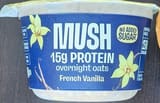 Overnight Oats French Vanilla Mush · 5.5 oz Ultra-processedNo additivesContains whole grains Score 80 out of 100 Excellent
 -
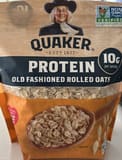 Protein Old Fashioned Rolled Oats Quaker · 16 oz No additivesContains whole grains Score 100 out of 100 Excellent
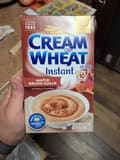
More from Cream of Wheat
Sources
-
EFSA issues new advice on phosphates
“We estimated that dietary exposure to phosphates may exceed the new ADI for infants, toddlers and children with average consumption of phosphates in their diet.”
efsa.europa.eu
-
“For adults, WHO recommends less than 2000 mg/day of sodium (equivalent to less than 5 g/day salt), or just under a teaspoon.”
who.int
-
Dietary Guidelines for Americans, 2025–2030
“Limit foods and beverages that include artificial flavors, petroleum-based dyes, artificial preservatives, and low-calorie non-nutritive sweeteners.”
cdn.realfood.gov