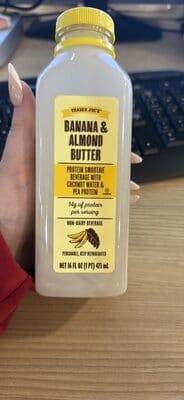
Sweetened beverages
Trader Joe's Banana & Almond Butter Protein Smoothie Beverage with Coconut Water & Pea Protein
16 fl oz (1 pt) 473 mL
Score
- Ultra-processed
Why it scores 59
Trader Joe's Banana & Almond Butter Protein Smoothie Beverage with Coconut Water & Pea Protein scores 59 out of 100 (Okay) under GoodSwap’s published rules. What moved the score most:
- minus 18 points Ultra-processed (NOVA 4): Classified NOVA 4: made with industrial ingredients and additives. Strong
- minus 6 points Sugars 2.5 g / 100 ml: High in sugar. Strong
- minus 4 points Energy 68 kcal / 100 ml: Energy-dense for its volume. Info
Every line of the math is on The Receipt below, with its evidence tier and sources.
Better coconut water
-
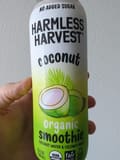 Coconut Organic Smoothie Harmless Harvest Not ultra-processed · No sunflower lecithin Score 100 out of 100 , 41 points higher
 -
 Organic Coconut Water with Watermelon Juice Beverage Harmless Harvest Not ultra-processed · No sunflower lecithin Score 100 out of 100 , 41 points higher
 -
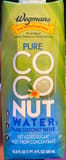 Pure Coconut Water Wegmans Not ultra-processed · No sunflower lecithin Score 100 out of 100 , 41 points higher
 -
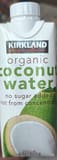 Organic Coconut Water Kirkland Signature · 330 mL Not ultra-processed · No sunflower lecithin Score 100 out of 100 , 41 points higher
 -
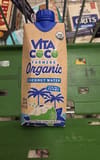 Farmers Organic Coconut Water Vita Coco · 16.9 g Not ultra-processed · No sunflower lecithin Score 99 out of 100 , 40 points higher
The same kind of product, at least 10 points higher, sold in the US. Never paid placements.
The Receipt
Banana & Almond Butter Protein Smoothie Beverage with Coconut Water & Pea Protein
Ingredients
- Pea protein minus 2.5 points
- Alcohol (ethanol) minus 2.5 points
- Sunflower lecithin minus 2.5 points
- Gellan gum minus 1.5 points
- Locust bean gum minus 1.5 points
Processing
- Ultra-processed (NOVA 4) minus 18 points
- 3 kinds of ultra-processing markers minus 3 points
Nutrition per 100 ml
- Sugars 2.5 g / 100 ml minus 6 points
- Energy 68 kcal / 100 ml minus 4 points
100 − 41.5 = 58.5 → 59
Nutrition per 100 ml
| Energy | 68 kcal |
|---|---|
| Fat | 4.4 g |
| Saturated fat | 0.4 g |
| Carbohydrates | 4 g |
| Sugars | 2.5 g |
| Added sugars | 0 g |
| Fiber | 1.1 g |
| Protein | 3 g |
| Salt | 0.1 g |
Serving: 1 serving (473 g)
Ingredients
- WATER
- COCONUT WATER (COCONUT WATER, CITRIC AND ASCORBIC ACIDS [TO MAINTAIN COLOR])
- BANANA PUREE (BANANAS, CITRIC AND ASCORBIC ACIDS [TO MAINTAIN COLOR). ALMOND BUTTER (ROASTED ALMONDS), PEA PROTEIN POWDER, VANILLA EXTRACT, SEA SALT, SUNFLOWER LECITHIN, GELLAN GUM, CAROB BEAN GUM)
Label text, as published
WATER, COCONUT WATER (COCONUT WATER, CITRIC AND ASCORBIC ACIDS [TO MAINTAIN COLOR]), BANANA PUREE (BANANAS, CITRIC AND ASCORBIC ACIDS [TO MAINTAIN COLOR). ALMOND BUTTER (ROASTED ALMONDS), PEA PROTEIN POWDER, VANILLA EXTRACT (WATER, ETHYL ALCOHOL, VANILLA BEAN EXTRACTIVES), SEA SALT, SUNFLOWER LECITHIN, GELLAN GUM, CAROB BEAN GUM
Allergens and diets
Contains: Tree nuts
- Palm-oil-free
Always check the package: recipes change.
More sweetened beverages on GoodSwap
-
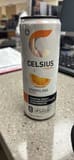 Sparkling Orange Celsius · 12 fl oz (355 mL) Ultra-processedContains non-nutritive sweetenersContains caffeineNo synthetic dyes Score 66 out of 100 Good
 -
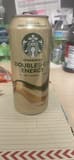 Doubleshot Energy Energy Coffee Beverage Starbucks · 15 oz Ultra-processedContains non-nutritive sweetenersContains added sugarsContains emulsifiers studied for gut effects Score 12 out of 100 Bad
 -
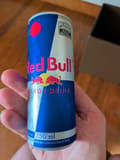 Energy Drink Red Bull · 250 mL Ultra-processedContains added sugarsContains caffeineContains artificial flavors Score 20 out of 100 Poor
 -
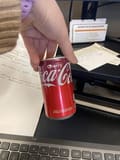 cherry Coca-Cola Coke · 222 mL Ultra-processedHigh in sugarContains added sugarsContains caffeine Score 16 out of 100 Bad
 -
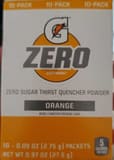 Orange zero sugar thirst quencher powder Gatorade · 0.97 oz/27.5 g Dye with an EU warning labelContains synthetic dyesUltra-processedHigh in salt Score 24 out of 100 Poor
 -
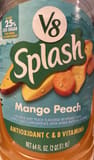 Splash mango peach Campbell's · 64 fl oz Ultra-processedContains non-nutritive sweetenersContains added sugars Score 38 out of 100 Poor
More from Trader Joe's
-
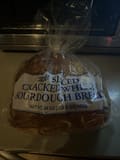 Cracked Wheat Sourdough Bread Trader Joe's · 24 oz Score 86 out of 100 Excellent
 -
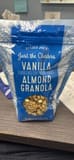 Vanilla Almond Granola Trader Joe's · 16 oz Score 22 out of 100 Poor
 -
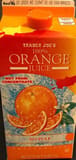 Orange Juice Trader Joe's Score 90 out of 100 Excellent
 -
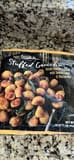 Potato Gnocchi Stuffed with Tomato Sauce & Mozzarella Trader Joe's · 16 oz Score 84 out of 100 Excellent
Sources
-
Agents Classified by the IARC Monographs, Volumes 1–142 (List of Classifications)
monographs.iarc.who.int
-
About Alcohol Use During Pregnancy
“There is no known safe amount of alcohol use during pregnancy.”
cdc.gov
-
Guideline: sugars intake for adults and children
“In both adults and children, WHO recommends reducing the intake of free sugars to less than 10% of total energy intake”
who.int
-
Dietary Guidelines for Americans, 2025–2030
“Limit foods and beverages that include artificial flavors, petroleum-based dyes, artificial preservatives, and low-calorie non-nutritive sweeteners.”
cdn.realfood.gov
-
“Greater exposure to ultra-processed food was associated with a higher risk of adverse health outcomes, especially cardiometabolic, common mental disorder, and mortality outcomes.”
doi.org