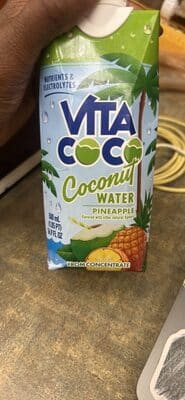
Coconut waters
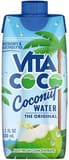
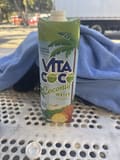
Vita Coco Coconut Water Pineapple
500.0 g
Score
Why it scores 100
Vita Coco Coconut Water Pineapple scores 100 out of 100 (Excellent) under GoodSwap’s published rules. What moved the score most:
- plus 5 points Simple whole food: A few low-concern ingredients, minimally processed. Info
- minus 2 points Energy 25 kcal / 100 ml: Energy-dense for its volume. Info
Every line of the math is on The Receipt below, with its evidence tier and sources.
The Receipt
Coconut Water Pineapple
START100
Nutrition per 100 ml
- Energy 25 kcal / 100 ml minus 2 points
subtotal−2
Bonuses
- Simple whole food plus 5 points
subtotal+5
TOTAL 100Excellent
100 + 3 = 100
Nutrition per 100 ml
| Energy | 25 kcal |
|---|---|
| Fat | 0 g |
| Saturated fat | 0 g |
| Trans fat | 0 g |
| Carbohydrates | 5.8 g |
| Sugars | 5.8 g |
| Added sugars | 0 g |
| Fiber | 0 g |
| Protein | 0 g |
| Salt | 0 g |
Serving: 2 servings per bottle (480 ml)
Ingredients
High Moderate Not recognized Tap an ingredient for its evidence and rules.
Label text, as published
COCONUT WATER, PINEAPPLE PUREE, COCONUT PUREE, VITAMIN C (ASCORBIC ACID).
Allergens and diets
Contains: Tree nuts
- Vegan
- Vegetarian
- Gluten-free
- Palm-oil-free
Always check the package: recipes change.
More coconut waters on GoodSwap
-
 Coconut Water Vita Coco · 330 mL Contains added sugars Score 61 out of 100 Good
 -
 Molokai Coconut Bai · 18 fl oz Ultra-processedContains non-nutritive sweetenersContains caffeine Score 69 out of 100 Good
 -
 Organic Coconut Water Kirkland Signature · 330 mL No additives Score 100 out of 100 Excellent
 -
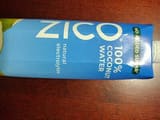 Original Coconut Water Zico · 1 L No additives Score 92 out of 100 Excellent
 -
 Coconut Water with Mango Juice So Natural · 33.8 fl oz Contains added sugars Score 55 out of 100 Okay
 -
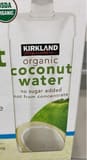 Organic Coconut Water Kirkland No additives Score 97 out of 100 Excellent
More from Vita Coco
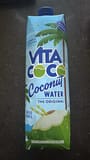
Sources
-
Dietary Guidelines for Americans, 2025–2030
“Limit foods and beverages that include artificial flavors, petroleum-based dyes, artificial preservatives, and low-calorie non-nutritive sweeteners.”
cdn.realfood.gov