Food
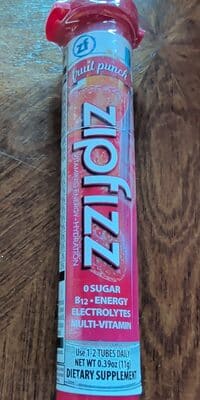
Zipfizz Fruit Punch
Score
- Ultra-processed
- High in salt
- Contains non-nutritive sweeteners
- Contains added sugars
- Contains caffeine
- No synthetic dyes
Why it scores 43
Zipfizz Fruit Punch scores 43 out of 100 (Okay) under GoodSwap’s published rules. What moved the score most:
- minus 20 points Corn syrup: An added sugar. Strong
- minus 18 points Ultra-processed (NOVA 4): Classified NOVA 4: made with industrial ingredients and additives. Strong
- minus 7.5 points Sucralose: In a 2022 randomized study, sucralose and saccharin altered the gut microbiome and impaired glucose responses in some people; a 2023 lab study raised questions about its by-product sucralose-6-acetate. Strong
Every line of the math is on The Receipt below, with its evidence tier and sources.
Better juices and juice drinks
-
 Fruit Punch Simply Nature Less salt · No non-nutritive sweeteners Score 85 out of 100 , 42 points higher
 -
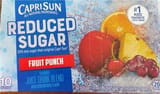 Reduced sugar fruit punch Caprisun Not ultra-processed · Less salt Score 96 out of 100 , 53 points higher
 -
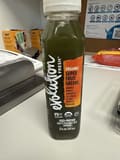 Organic Super Fruit Greens Cold-Pressed Fruit & Vegetable Juice Smoothie Evolution Fresh · 11 fl oz (325 mL) Not ultra-processed · Less salt Score 90 out of 100 , 47 points higher
 -
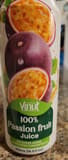 100% Passion fruit juice Vinut Not ultra-processed · Less salt Score 91 out of 100 , 48 points higher
 -
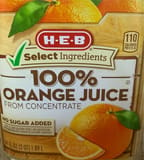 Fruit Juice H-E-B · 240 mL Not ultra-processed · Less salt Score 100 out of 100 , 57 points higher
The same kind of product, at least 10 points higher, sold in the US. Never paid placements.
The Receipt
Zipfizz Fruit Punch
Ingredients
- Corn syrup minus 20 points
- Sucralose minus 7.5 points
- Silicon dioxide minus 2.5 points
Processing
- Ultra-processed (NOVA 4) minus 18 points
- 4 kinds of ultra-processing markers minus 4.5 points
Nutrition per 100 g
- Salt 1.7 g / 100 g minus 5 points
100 − 57.5 = 42.5 → 43
Can’t score above 79. Contains corn syrup, an ingredient of high concern. [1][2][3]
Can’t score above 79. High in salt (above the front-of-pack "high" level). [10]
Nutrition per 100 g
| Fat | 0 g |
|---|---|
| Saturated fat | 0 g |
| Sugars | 0 g |
| Added sugars | 0 g |
| Protein | 0 g |
| Salt | 1.7 g |
Serving: Tube (11 g)
Ingredients
- Tītricacid (not recognized)
- malic aid (not recognized)
- potassium carbonate
- glucose polymers (high concern)
- calcium ascorbate
- natural fruit punch flavor
- magnesium amino acid chelate
- potassium bicarbonate
- beet root (color)
- sodium bicarbonate
- silica
- sucralose (moderate concern)
- potassium citrate
- taurine
- beta-carotene (color)
- zinc bisglycinate chelate
- dl-alpha-tocopheryl acetate. manganese gluconate
- grape seed extract
- niacin
- selenium-L-methionine complex
- cyanocobalamin
- D-calcium pantothenate
- green tea leaf extract
- folic acid
- pyridoxal-5-phosphate
- riboflavin-5-phosphate
- xylitobl (not recognized)
- thìamin mononitrate
- chromium nicotinate glycinate chelate
- copper citrate and methylcobalamin
Label text, as published
Servir Calcium i Other Ingredients: Tītricacid, malic aid, potassium carbonate, glucose polymers, calcium ascorbate, natural fruit punch flavor, magnesium amino acid chelate, potassium bicarbonate, beet root (color), sodium bicarbonate, silica, sucralose, potassium citrate, taurine, beta-carotene (color), zinc bisglycinate chelate, dl-alpha-tocopheryl acetate. manganese gluconate, grape seed extract, niacin, selenium-L-methionine complex, cyanocobalamin, D-calcium pantothenate, green tea leaf extract, folic acid, pyridoxal-5-phosphate, riboflavin-5-phosphate, xylitobl, thìamin mononitrate, chromium nicotinate glycinate chelate, copper citrate and methylcobalamin
Allergens and diets
- Palm-oil-free
Always check the package: recipes change.
Sources
-
Guideline: sugars intake for adults and children
“In both adults and children, WHO recommends reducing the intake of free sugars to less than 10% of total energy intake”
who.int
-
Dietary Guidelines for Americans, 2025–2030
“Limit foods and beverages that include artificial flavors, petroleum-based dyes, artificial preservatives, and low-calorie non-nutritive sweeteners.”
cdn.realfood.gov
-
Added and free sugars should be as low as possible
“Sugar consumption is a known cause of dental caries.”
efsa.europa.eu
-
Personalized microbiome-driven effects of non-nutritive sweeteners on human glucose tolerance
“As groups, each administered NNS distinctly altered stool and oral microbiome and plasma metabolome, whereas saccharin and sucralose significantly impaired glycemic responses.”
doi.org
-
“Sucralose-6-acetate significantly increased the expression of genes associated with inflammation, oxidative stress, and cancer”
doi.org
-
“EFSA’s experts concluded that the sweetener sucralose (E 955) continues to be safe for consumers for its currently authorised uses as a food additive.”
efsa.europa.eu
-
WHO advises not to use non-sugar sweeteners for weight control in newly released guideline
“The recommendation is based on the findings of a systematic review of the available evidence which suggests that use of NSS does not confer any long-term benefit in reducing body fat in adults or children.”
who.int
-
“For adults, WHO recommends less than 2000 mg/day of sodium (equivalent to less than 5 g/day salt), or just under a teaspoon.”
who.int
-
“Table 3: Criteria for drinks (per 100ml)”
assets.publishing.service.gov.uk
-
“Greater exposure to ultra-processed food was associated with a higher risk of adverse health outcomes, especially cardiometabolic, common mental disorder, and mortality outcomes.”
doi.org
-
Spilling the Beans: How Much Caffeine is Too Much?
“For most adults, the FDA has cited 400 milligrams* a day — that's about two to three 12-fluid-ounce cups of coffee — as an amount not generally associated with negative effects.”
fda.gov
-
Regulation (EU) No 1169/2011, Annex III point 4.1 (beverages with high caffeine content)
“‘High caffeine content. Not recommended for children or pregnant or breast-feeding women’”
eur-lex.europa.eu